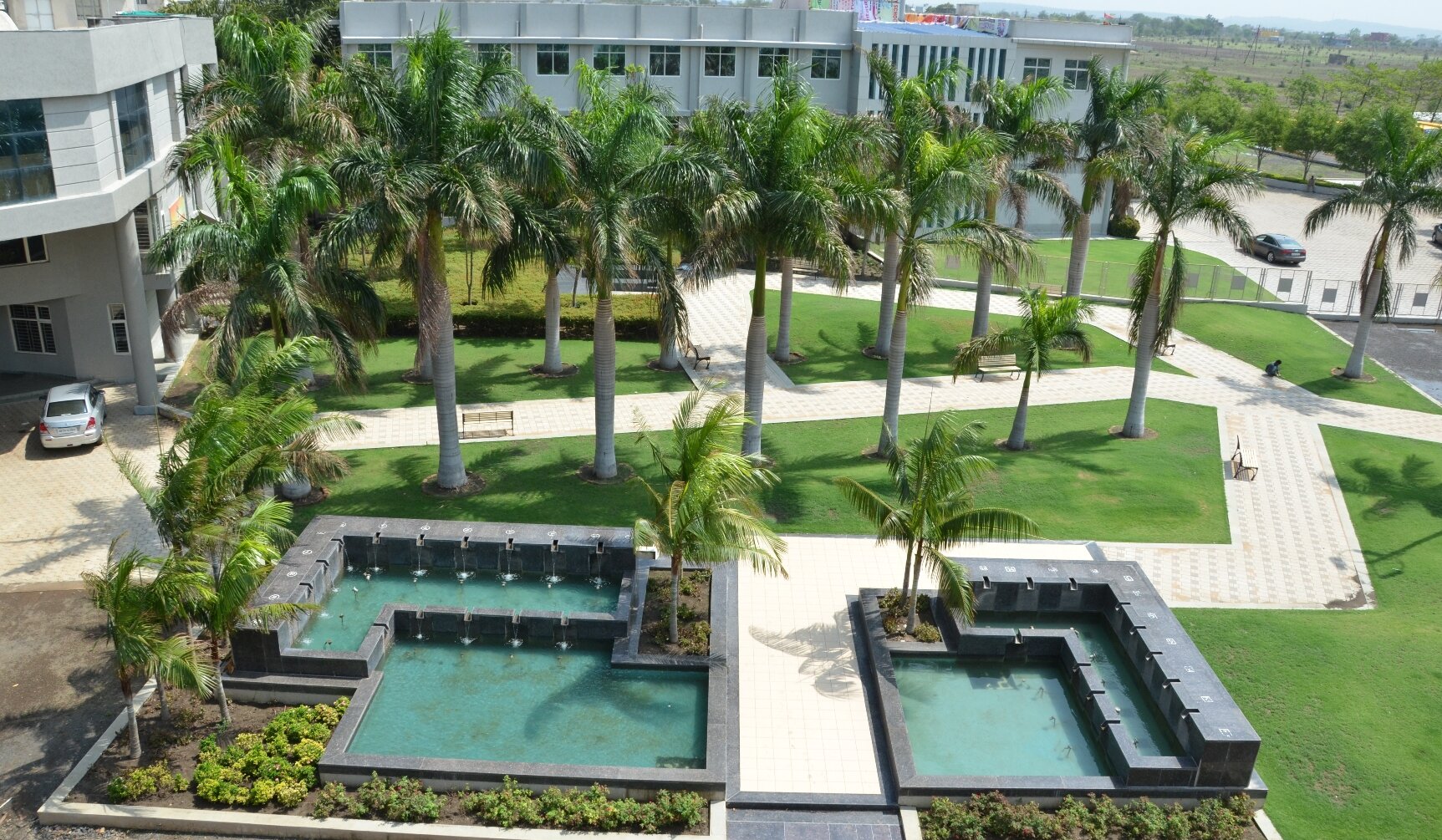
Ph.D. in Electrical & Electronics Engineering from I.E.S. University: Eligibility, Entrance Exam, Fee Structure, Admission Process, Subjects, Research Areas, Syllabus, Scholarship & Career Scope
Introduction about Ph.D. in Electrical & Electronics Engineering at I.E.S. University
The Doctor of Philosophy (Ph.D.) in Electrical & Electronics Engineering at I.E.S. University stands as a beacon for innovators, researchers, and industry leaders who aspire to push the boundaries of modern technology. This rigorous program blends theoretical depth with practical application, empowering professionals to explore advanced topics such as power systems, signal processing, microelectronics, and emerging fields like Internet of Things (IoT) and renewable energy integration.
Eligibility Criteria for Ph.D. in Electrical & Electronics Engineering at I.E.S. University
Prospective candidates must satisfy the following academic and professional benchmarks:
- Master’s degree (M.Tech/M.E/M.Sc) in Electrical Engineering, Electronics Engineering, or a closely related discipline with a minimum aggregate of 55% (50% for reserved categories).
- Valid GATE score in EE (or any equivalent national level examination) is highly preferred, though not mandatory.
- Relevant research experience, publications in peer‑reviewed journals, or patents will strengthen the application.
- Candidates must demonstrate proficiency in English (IELTS/TOEFL) if their previous degree was not taught in English.
Entrance Exam for Ph.D. in Electrical & Electronics Engineering at I.E.S. University
I.E.S. University conducts a comprehensive entrance test that evaluates the candidate’s grasp of core electrical concepts, analytical skills, and research aptitude. The exam structure typically includes:
- Subjective Paper: 3 hours, 100 marks covering Analog & Digital Electronics, Power Systems, Control Theory, Signal Processing, and Research Methodology.
- Viva‑Voce: Personal interview to assess motivation, previous research work, and alignment with university research themes.
Applicants with an outstanding GATE score may be exempted from the written portion, proceeding directly to the interview stage.
Fee Structure for Ph.D. in Electrical & Electronics Engineering at I.E.S. University
| Component | Annual Fee (INR) | Notes |
|---|---|---|
| Tuition & Laboratory Fees | 1,25,000 | Includes access to advanced labs and simulation tools. |
| Research & Project Grant | 75,000 | Dedicated funds for conference travel and material purchase. |
| Library & Resource Charges | 10,000 | Unlimited access to digital libraries and journals. |
| Miscellaneous (Administrative, Examination) | 15,000 | One‑time payment during the first year. |
| Total Approximate Cost (3‑Year Programme) | 4,50,000 | Subject to annual revisions. |
Admission Process for Ph.D. in Electrical & Electronics Engineering at I.E.S. University
The admission journey is streamlined to ensure transparency and fairness:
- Online Application: Submit the application form through the university portal with scanned copies of academic certificates, GATE scorecard, and a statement of purpose.
- Document Verification: The admissions office validates authenticity of the submitted documents.
- Entrance Examination: Appear for the written test (or GATE exemption) on the scheduled date.
- Interview & Research Proposal Review: Shortlisted candidates present a concise research proposal to the faculty panel.
- Final Offer Letter: Successful candidates receive an admission offer with details on fee payment and orientation.
Ph.D. Subjects and Specializations in Electrical & Electronics Engineering at I.E.S. University
Students can tailor their research across a spectrum of cutting‑edge specializations, including:
- Power System Stability and Smart Grids
- Advanced Signal Processing and Machine Learning for Communications
- Micro‑Nano Electronics and VLSI Design
- Renewable Energy Conversion and Storage
- Robotics, Automation, and Embedded Systems
- Electromagnetic Compatibility and Antenna Design
- Internet of Things (IoT) Architecture and Security
Research Areas in Electrical & Electronics Engineering at I.E.S. University
The university’s research ecosystem is anchored by state‑of‑the‑art laboratories and collaborations with industry giants. Key research domains include:
- Smart Power Distribution: Real‑time monitoring, fault detection, and demand‑response strategies.
- Wireless Communications: 5G/6G waveforms, massive MIMO, and terahertz communications.
- Energy Harvesting: Piezoelectric, thermoelectric, and solar‑based solutions for autonomous sensors.
- Biomedical Electronics: Wearable health monitors, implantable devices, and bio‑signal acquisition.
- Artificial Intelligence in Circuit Design: AI‑driven optimization of analog and mixed‑signal circuits.
Documents Required for Ph.D. in Electrical & Electronics Engineering at I.E.S. University
| Document | Format | Remarks |
|---|---|---|
| Academic Transcripts (B.Tech & M.Tech) | PDF, scanned | Original signatures required. |
| GATE Scorecard (if available) | Valid for the current admission cycle. | |
| Research Proposal (2–3 pages) | DOCX or PDF | Should outline objectives, methodology, and expected outcomes. |
| Curriculum Vitae (CV) | Highlight publications, patents, and project experience. | |
| Letter of Recommendation (2) | From academic or industry supervisors. | |
| Proof of English Proficiency | IELTS/TOEFL scores if applicable. |
I.E.S. University Ph.D. Syllabus for Electrical & Electronics Engineering
The syllabus is designed to provide a balanced blend of coursework, seminars, and extensive research work. Core components include:
- Advanced Electromagnetics
- Control Systems Theory
- Advanced Digital Signal Processing
- Power Electronics and Drives
- Research Methodology and Scientific Writing
- Elective Modules (selected based on research focus)
- Periodic Progress Seminars and Publication Requirements
How To Apply for Ph.D. in Electrical & Electronics Engineering at I.E.S. University
Follow these steps to submit a successful application:
- Visit the official I.E.S. University admissions portal.
- Create an account and fill in personal and academic details.
- Upload all required documents (refer to the Documents Required table).
- Pay the non‑refundable application fee of INR 2,500 via online gateway.
- Submit the form and note the application reference number for future correspondence.
- Prepare for the entrance exam and interview as per the schedule emailed to you.
Career Scope and Job Opportunities After Ph.D. in Electrical & Electronics Engineering from I.E.S. University
Graduates emerge as thought leaders equipped to influence academia, industry, and research institutions. Typical career trajectories include:
- Assistant/Associate Professor or Lecturer in leading engineering colleges.
- R&D Scientist in multinational corporations (e.g., Siemens, Schneider Electric, Texas Instruments).
- Chief Technology Officer (CTO) or Lead Engineer in start‑ups focusing on renewable energy, IoT, or AI‑driven hardware.
- Principal Investigator for government funded projects (e.g., Ministry of Science & Technology, DST).
- Consultant for power utilities, telecom operators, and semiconductor fabs.
According to recent placement reports, Ph.D. holders command a salary premium of 30‑40% over their MSc/MTech counterparts.
Scholarship for Ph.D. in Electrical & Electronics Engineering at I.E.S. University
I.E.S. University offers merit‑based and need‑based scholarships to support deserving candidates. Key schemes include:
- University Merit Scholarship: Up to 50% tuition waiver for candidates with a GPA above 8.5/10.
- Research Grant Fellowship: Fixed monthly stipend of INR 25,000 for the first two years, renewable based on progress.
- External Fellowships: Guidance for applying to CSIR, UGC, and AICTE sponsored scholarships.
Students are encouraged to explore the Thesis and Dissertation Writing Services to enhance the quality of their research output and increase eligibility for competitive fellowships.
FAQs Regarding Ph.D. in Electrical & Electronics Engineering at I.E.S. University
- Q1: Can I pursue the Ph.D. part‑time while working?
- Yes, the university offers a flexible part‑time mode that allows industry professionals to attend weekend seminars and submit research milestones online.
- Q2: Is a GATE score mandatory?
- While a valid GATE score strengthens the application, candidates can still qualify based on academic merit and a robust research proposal.
- Q3: How long does the program take?
- The standard duration is 3 years, subject to successful completion of coursework, research, and publications.
- Q4: Are there opportunities for international collaboration?
- Yes, I.E.S. University








