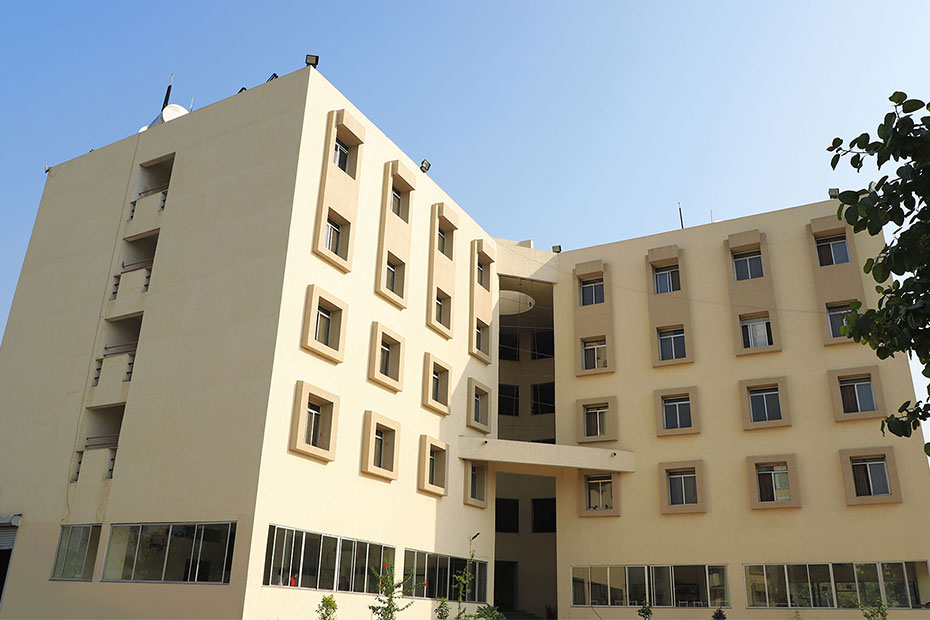
Ph.D. in Electrical Engineering from Indus University: Eligibility, Entrance Exam, Fee Structure, Admission Process, Subjects, Research Areas, Syllabus, Scholarship & Career Scope
Introduction about Ph.D. in Electrical Engineering at Indus University
Indus University has emerged as a hub for cutting‑edge research in Electrical Engineering, offering a robust Ph.D. program designed for seasoned professionals who aspire to lead technological innovation. The curriculum blends advanced theory with practical applications, fostering an environment where scholars can push the boundaries of power systems, signal processing, renewable energy, and emerging smart‑grid technologies. With state‑of‑the‑art laboratories, industry‑aligned projects, and a faculty of internationally recognized researchers, the doctorate experience at Indus University equips you to become a thought leader in the global electrical engineering community.
Eligibility Criteria for Ph.D. in Electrical Engineering at Indus University
- Master’s degree (M.Tech, MSc, or equivalent) in Electrical Engineering or a closely related discipline with a minimum aggregate of 55% (or CGPA 5.5/10).
- Candidates holding a B.Tech/M.Tech dual degree are also eligible.
- Qualified candidates must have secured a valid GATE score (any discipline) or an equivalent national level entrance test.
- Professional experience of at least 2 years in relevant industry or research positions is preferred.
- English language proficiency (IELTS/TOEFL) is required for international applicants.
Entrance Exam for Ph.D. in Electrical Engineering at Indus University
Indus University conducts a comprehensive entrance examination that evaluates:
- Fundamental concepts of electrical circuits, electromagnetics, and control systems.
- Advanced topics such as power electronics, digital signal processing, and renewable energy technologies.
- Analytical and problem‑solving abilities through quantitative questions.
- Research aptitude assessed via a written proposal summary and an interview with the faculty panel.
Applicants can also submit a GATE score as an alternative to the university‑administered test, provided it meets the minimum qualifying percentile set by the department.
Fee Structure for Ph.D. in Electrical Engineering at Indus University
| Component | Annual Fee (INR) | Notes |
|---|---|---|
| Tuition & Laboratory Charges | 1,20,000 | Includes access to all labs and research facilities. |
| Library & E‑Resources | 10,000 | Unlimited digital and printed resources. |
| Annual Examination & Evaluation Fee | 15,000 | Covering internal assessments and oral defenses. |
| Miscellaneous (Student Activities, Workshops) | 5,000 | Optional but highly recommended for networking. |
| Total Approximate Cost | 1,50,000 | Subject to yearly revisions by the university. |
Admission Process for Ph.D. in Electrical Engineering at Indus University
Follow these steps to secure a seat in the doctorate program:
- Online Application: Fill the application form on the university portal and upload scanned copies of academic transcripts, GATE scorecard, and a research proposal.
- Document Verification: The admission committee reviews the submitted documents and shortlists candidates for the entrance test.
- Entrance Examination / GATE Submission: Appear for the university‑conducted exam or submit a valid GATE score.
- Personal Interview: Shortlisted candidates are called for an interview where they discuss their research interests and methodology.
- Final Selection & Offer Letter: Successful candidates receive an admission offer via email, along with fee payment instructions.
- Enrollment: Pay the first year’s fees, complete the registration formalities and begin coursework.
Ph.D. Subjects and Specializations in Electrical Engineering at Indus University
The program offers a wide spectrum of specializations, allowing scholars to tailor their doctoral research to industry needs and personal interests:
- Power Systems & Smart Grids
- Renewable Energy Integration
- Digital Signal Processing & Communications
- Power Electronics & Drives
- Control Systems & Automation
- VLSI Design & Embedded Systems
- Electromagnetics & Microwave Engineering
- Internet of Things (IoT) and Cyber‑Physical Systems
Research Areas in Electrical Engineering at Indus University
Indus University’s research ecosystem focuses on high‑impact domains that align with global sustainability goals and emerging technologies:
- Smart Grid Analytics: Big‑data driven optimization of power distribution.
- Energy Storage Systems: Advanced battery management and super‑capacitor technologies.
- Wireless Power Transfer: Efficient non‑contact power delivery for electric vehicles.
- Machine Learning for Power System Stability: Predictive models for fault detection.
- 5G/6G Communication Systems: High‑frequency antenna design and signal integrity.
- Renewable Energy Forecasting: AI‑based solar and wind resource prediction.
Documents Required for Ph.D. in Electrical Engineering at Indus University
| Document | Requirement |
|---|---|
| Completed Application Form | Online submission with electronic signature. |
| Academic Transcripts | Official copies of B.Tech/M.Tech or equivalent. |
| GATE Scorecard (or equivalent) | Valid score within the last 3 years. |
| Research Proposal (2,000‑3,000 words) | Clearly defined objectives, methodology, and expected contributions. |
| Curriculum Vitae | Professional experience, publications, and patents. |
| Letter of Recommendation (2) | From academic supervisors or industry mentors. |
| English Proficiency Proof (if applicable) | IELTS/TOEFL score report. |
Indus University Ph.D. Syllabus for Electrical Engineering
The doctoral syllabus is structured into three core phases:
- Coursework (Year 1): Advanced electives such as “Advanced Power System Stability,” “High‑Frequency Circuit Design,” and “Machine Learning for Signal Processing.”
- Comprehensive Examination (End of Year 1): Written test covering the coursework and a research methodology paper.
- Thesis Research (Years 2‑4): Original research work leading to a dissertation, peer‑reviewed publications, and a final viva voce.
How To Apply for Ph.D. in Electrical Engineering at Indus University
Applying is straightforward:
- Visit the official Ph.D. portal and register.
- Upload all required documents in PDF format (max 5 MB each).
- Pay the non‑refundable application fee of INR 2,500 via online gateway.
- Submit the form and note the application reference number for future correspondence.
- Track your application status through the portal’s “My Applications” dashboard.
Career Scope and Job Opportunities After Ph.D. in Electrical Engineering from Indus University
Graduates enjoy a broad spectrum of high‑impact career trajectories:
- Academic Positions: Assistant/Associate Professor, Research Fellow, Post‑Doctoral Scholar.
- Industry R&D: Senior Engineer, Chief Technology Officer, Innovation Lead at power utilities, semiconductor firms, and IoT startups.
- Consultancy & Policy: Energy policy analyst, Smart‑grid consultant for government agencies.
- Entrepreneurship: Founder of tech ventures focusing on renewable energy solutions, AI‑driven power management platforms.
According to recent placement reports, 85% of Ph.D. graduates secure roles with an average salary of INR 12–18 Lakhs per annum within six months of completion.
Scholarship for Ph.D. in Electrical Engineering at Indus University
Financial assistance is available through multiple channels:
- University Merit Scholarships: Up to 50% tuition waiver for candidates with a CGPA ≥ 9.0.
- Government Grants: Junior Research Fellow (JRF) and Senior Research Fellow (SRF) stipends under the UGC‑NGS scheme.
- Industry Sponsored Fellowships: Partnerships with leading electrical firms offering project‑based funding and equipment support.
- External Scholarships: Opportunities from IEEE, CSIR,








