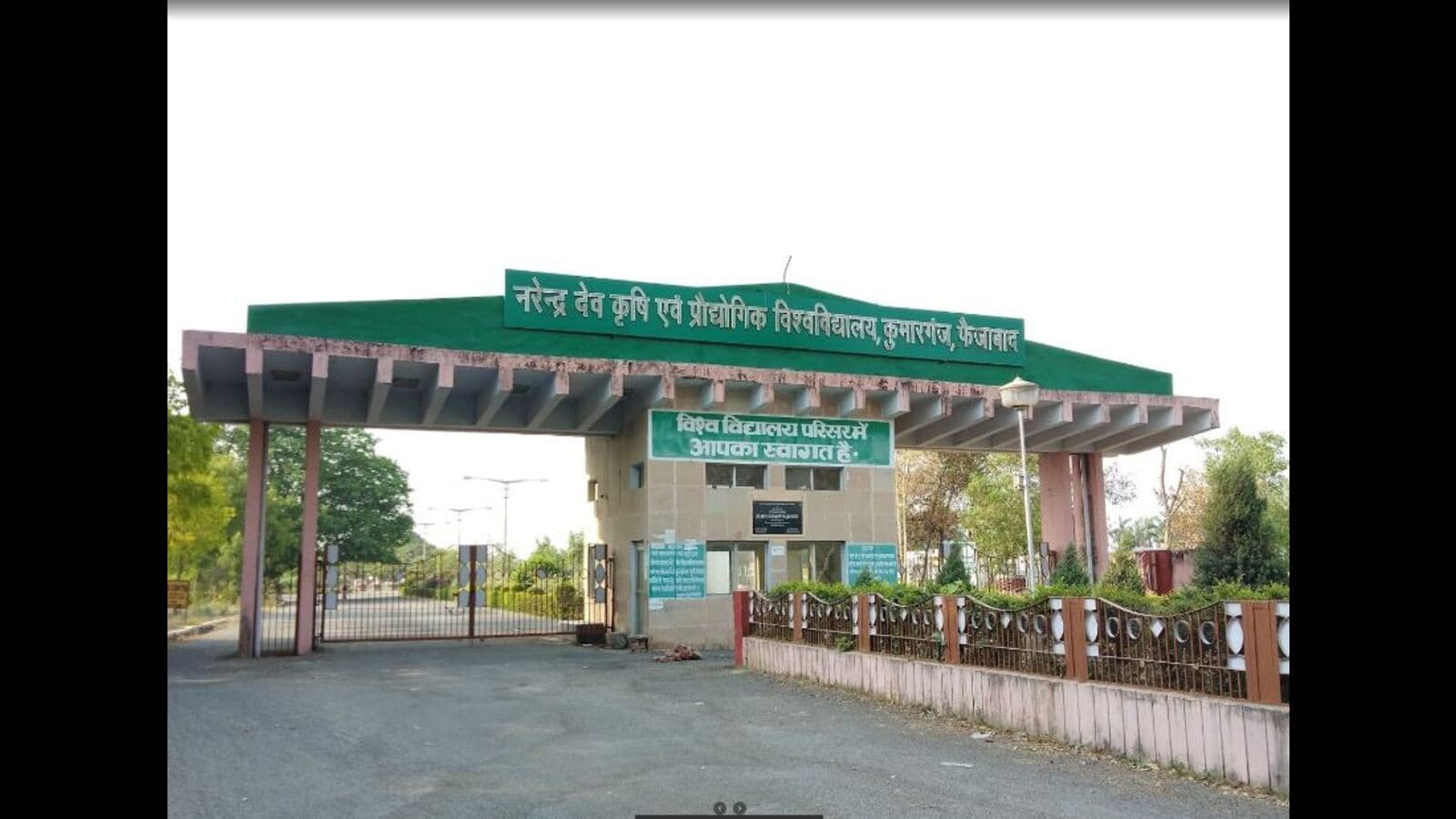
Ph.D. in Electrical Engineering from Narendra Deo University: Eligibility, Entrance Exam, Fee Structure, Admission Process, Subjects, Research Areas, Syllabus, Scholarship & Career Scope
Introduction about Ph.D. in Electrical Engineering at Narendra Deo University
The Ph.D. in Electrical Engineering at Narendra Deo University is designed for experienced professionals and researchers who aspire to become pioneers in power systems, signal processing, renewable energy, and advanced electronics. This doctoral program blends rigorous coursework with cutting‑edge research, equipping candidates with the expertise to lead innovative projects, secure patents, and contribute to high‑impact publications.
Ph.D Admission 2026-2027 & Writing Support Services by Shiksha Research
Eligibility Criteria for Ph.D. in Electrical Engineering at Narendra Deo University
- Master’s degree (M.Tech/M.E.) in Electrical Engineering or a closely related discipline with a minimum of 55% marks (or equivalent CGPA).
- For candidates with a B.Tech/M.Tech integrated program, a minimum of 60% marks is required.
- Valid GATE score in Electrical Engineering (optional but gives priority).
- Published research papers in reputed journals or conferences (preferred).
- English proficiency (IELTS/TOEFL) for international candidates.
Entrance Exam for Ph.D. in Electrical Engineering at Narendra Deo University
The university conducts its own Ph.D. Entrance Test focusing on:
- Core concepts of power systems, control, and electronics.
- Advanced mathematics and signal processing.
- Research methodology and statistical analysis.
Candidates with a valid GATE score may be exempted from the written test and will appear only for a personal interview.
Fee Structure for Ph.D. in Electrical Engineering at Narendra Deo University
| Fee Component | Amount (INR) | Frequency |
|---|---|---|
| Admission Processing Fee | 5,000 | One‑time |
| Tuition & Laboratory Charges | 30,000 | Per Semester |
| Research Material & Software License | 12,000 | Annual |
| Hostel & Mess (Optional) | 25,000 | Per Semester |
| Scholarship Deduction (if applicable) | Varies | - |
Admission Process for Ph.D. in Electrical Engineering at Narendra Deo University
- Online Application: Fill the application form on the university portal and upload scanned copies of academic certificates.
- Entrance Examination: Appear for the university‑conducted test or submit a valid GATE score.
- Interview: Shortlisted candidates are invited for a research‑oriented interview with faculty panel.
- Document Verification: Submit original documents for verification at the university’s admission office.
- Final Admission Letter: Receive the admission offer along with fee payment instructions.
Ph.D. Subjects and Specializations in Electrical Engineering at Narendra Deo University
- Power System Engineering and Smart Grids
- Control Systems and Robotics
- Signal Processing and Communications
- Renewable Energy Technologies
- VLSI Design and Nanoelectronics
- Embedded Systems and IoT
Research Areas in Electrical Engineering at Narendra Deo University
The university encourages interdisciplinary research in the following high‑impact domains:
- High‑Voltage Direct Current (HVDC) transmission
- Artificial Intelligence for power grid stability
- Wireless sensor networks for industrial automation
- Photovoltaic and wind energy integration
- Quantum computing hardware
- Biomedical signal analysis
Documents Required for Ph.D. in Electrical Engineering at Narendra Deo University
| Document | Details |
|---|---|
| Academic Transcripts | Original certificates of B.Tech/M.Tech with mark sheets. |
| GATE Score Card | If applicable, latest valid score. |
| Research Proposal | Brief 2‑page proposal outlining research objectives. |
| Curriculum Vitae | Professional experience and publications. |
| Identity Proof | Aadhaar/PAN or Passport. |
| Letter of Recommendation | Two academic references. |
Narendra Deo University Ph.D. Syllabus for Electrical Engineering
The syllabus is divided into two phases: Coursework (first 2 semesters) and Research (subsequent semesters). Key modules include:
- Advanced Power System Analysis
- Digital Signal Processing Techniques
- Control Theory and Applications
- Renewable Energy Conversion Systems
- Microelectronics and VLSI Design
- Research Methodology & Scientific Writing
Students must complete mandatory courses with a minimum CGPA of 7.0 before commencing thesis work.
How To Apply for Ph.D. in Electrical Engineering at Narendra Deo University
Follow these streamlined steps to submit your application:
- Visit the official Narendra Deo University Ph.D. portal and register using your email.
- Complete the application form, upload required documents, and pay the nominal processing fee through net banking.
- Upload your Editing and Proofreading Services‑enhanced research proposal to improve clarity.
- Schedule the entrance exam date and download the admit card.
- After clearing the exam, submit your PhD Topic Selection and Proposal Assistance report for faculty review.
- Prepare for the interview; you may also seek PhD Admission Assistance if needed.
- Upon acceptance, finalize enrollment and begin your research journey.
Career Scope and Job Opportunities After Ph.D. in Electrical Engineering from Narendra Deo University
Graduates enjoy a broad spectrum of high‑level positions:
- Senior Research Scientist – National labs, DRDO, ISRO
- Professor / Associate Professor – Leading engineering colleges
- Chief Engineer – Power generation & transmission companies
- R&D Manager – Renewable energy start‑ups and multinational corporations
- Consultant – Electrical safety, smart grid implementation
- Patent Analyst – Intellectual property firms
- Entrepreneur – Technology‑driven ventures
Average salary range for Ph.D. holders in India varies from ₹12 LPA to ₹30 LPA, with higher packages for overseas opportunities.
Scholarship for Ph.D. in Electrical Engineering at Narendra Deo University
The university offers several financial aid schemes:
- University Merit Scholarship: 50% tuition waiver for top 10% candidates.
- External Fellowships: UGC‑CSIR, AICTE, and DST funded scholarships.
- Industry Sponsored Stipends: Collaboration with power utilities and OEMs.
- Research Grant Support: Additional funds for fieldwork, prototype development, and conference travel.
Applicants are encouraged to apply early and attach the Research Publication Support documents to demonstrate research potential.
FAQs Regarding Ph.D. in Electrical Engineering at Narendra Deo University
- Q1: Can I pursue the Ph.D. part‑time while working?
- Yes, the university offers a flexible part‑time mode for working professionals with a minimum of 3 years of industry experience.
- Q2: Is a GATE score mandatory?
- GATE is not mandatory but provides a direct entry advantage and may waive the entrance exam fee.
- Q3: How long does it take to complete the Ph.D.?
- The average duration is 3.5 to 4 years, depending on research progress and publication requirements.
- Q4: Are there opportunities for international collaboration?
- Yes, the university has MoUs with several overseas universities for joint research and exchange programs.
- Q5: What support is available for patent filing?
- Students can use the Patent Filing and Support Services offered by the university’s Technology Transfer Office.
- Q6: Does the university provide accommodation?
- On‑campus hostels are available for Ph.D. scholars at a nominal fee, with priority given to out‑station candidates.








