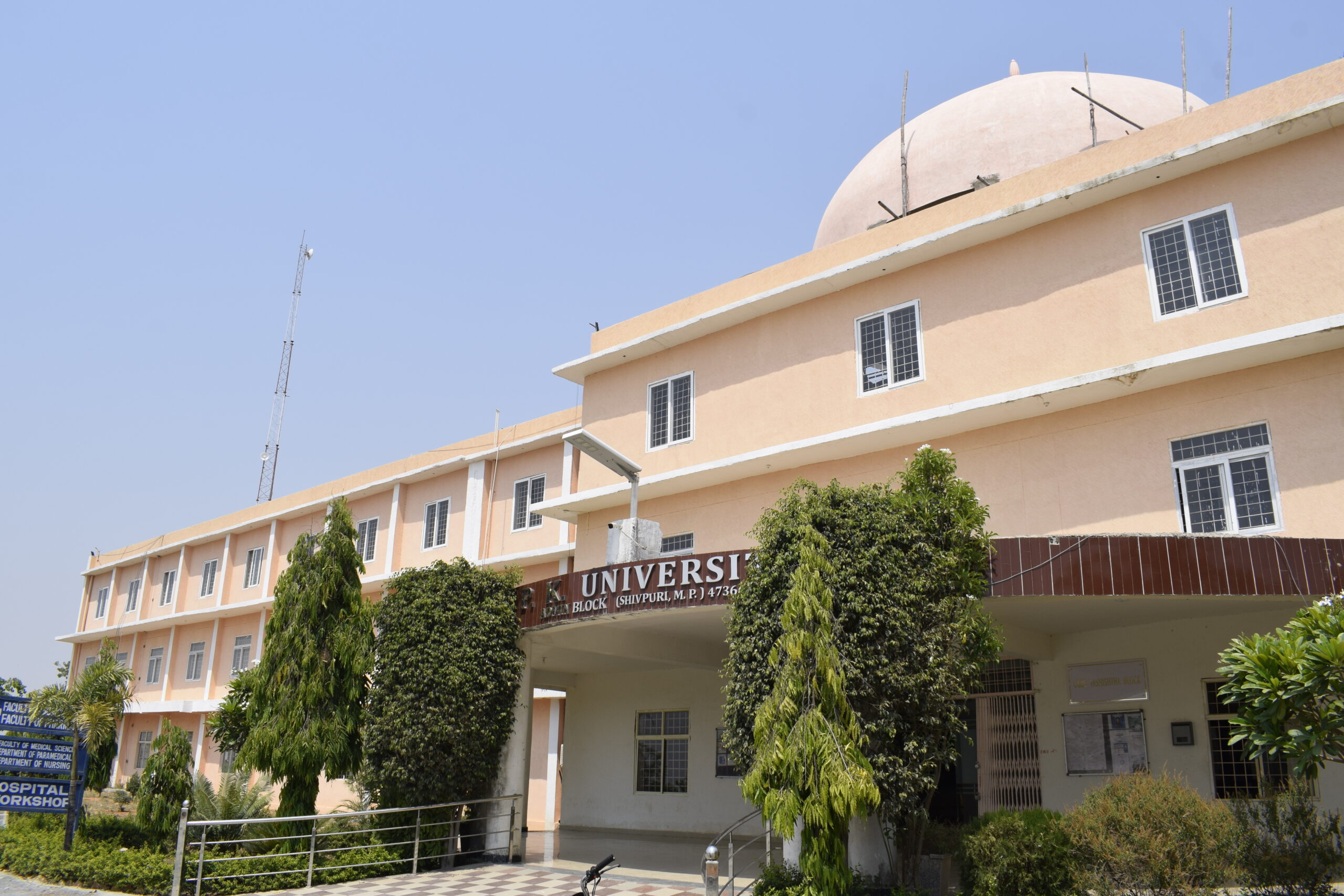
Ph.D. in Electrical Engineering from P.K. University: Eligibility, Entrance Exam, Fee Structure, Admission Process, Subjects, Research Areas, Syllabus, Scholarship & Career Scope
Introduction about Ph.D. in Electrical Engineering at P.K. University
The Doctor of Philosophy (Ph.D.) in Electrical Engineering at P.K. University is a premier research-oriented program designed for aspiring engineers who wish to delve deep into cutting?edge technologies such as power systems, renewable energy, embedded systems, and signal processing. The program blends rigorous coursework with extensive laboratory work and original research, preparing graduates for leadership roles in academia, industry, and research institutions worldwide. With state?of?the?art facilities and a faculty roster of internationally recognized scholars, P.K. University offers an inspiring environment that fuels innovation and intellectual growth.
Eligibility Criteria for Ph.D. in Electrical Engineering at P.K. University
Prospective candidates must meet the following criteria to be considered for admission:
- Educational Qualification: A Master?s degree (M.Tech, ME, or equivalent) in Electrical Engineering or a closely related discipline with a minimum of 55% aggregate (or CGPA equivalent).
- Research Aptitude: Proven research exposure through publications, project work, or patents is highly advantageous.
- English Proficiency: For non?English medium graduates, a minimum score of 6.0 in IELTS or 70 in TOEFL iBT is required.
- Age Limit: No upper age restriction; however, candidates should be prepared for the intensive research timeline.
Entrance Exam for Ph.D. in Electrical Engineering at P.K. University
P.K. University conducts a two?stage admission process:
- Written Test: The test evaluates core concepts in power electronics, control systems, digital signal processing, and research methodology. The format includes multiple?choice questions and short answer sections.
- Interview & Presentation: Shortlisted candidates present a research proposal and undergo a technical interview by the department faculty to assess research potential and alignment with ongoing projects.
Applicants with a valid national-level GATE score (minimum 550) in Electrical Engineering may be exempted from the written test.
Fee Structure for Ph.D. in Electrical Engineering at P.K. University
| Component | Amount (INR) | Notes |
|---|---|---|
| Application Fee | 1,500 | Non?refundable, payable online |
| Annual Tuition Fee | 55,000 | Includes library and lab access |
| Research Lab Maintenance | 15,000 | Yearly, varies by specialization |
| Miscellaneous Charges | 5,000 | Student activities, certifications |
| Total Approx. (3?Year) | 219,500 | Subject to revision each academic year |
Admission Process for Ph.D. in Electrical Engineering at P.K. University
The admission journey is streamlined into five pivotal steps:
- Online Application: Submit the electronic form with academic transcripts, a statement of purpose, and two letters of recommendation.
- Document Verification: Upload scanned copies of certificates, mark sheets, and ID proof for provisional verification.
- Entrance Examination: Appear for the university?conducted written test or present a valid GATE score.
- Interview & Research Proposal Presentation: Engage with the department panel to discuss research interests and feasibility.
- Final Admission Offer: Receive the admission letter, pay the first-year fees, and register for courses.
Ph.D. Subjects and Specializations in Electrical Engineering at P.K. University
The program offers a diverse array of research streams, each aligned with global industry demands:
- Power System Stability and Smart Grids
- Renewable Energy Integration and Storage
- Advanced Control Theory and Robotics
- VLSI Design and Embedded Systems
- Signal Processing for Communications and Biomedical Applications
- Machine Learning for Electrical Systems
- Electrical Materials and Nanotechnology
Research Areas in Electrical Engineering at P.K. University
Faculty members are actively engaged in high?impact research, including:
- Smart Grid Cyber?Security: Developing resilient architectures against cyber threats.
- Electric Vehicle (EV) Powertrain Optimization: Enhancing efficiency and battery management.
- Wireless Power Transfer: Exploring resonant inductive coupling for IoT devices.
- Artificial Intelligence in Power Electronics: Predictive maintenance using deep learning.
- Photonics and Optoelectronics: Designing high?speed optical communication modules.
Documents Required for Ph.D. in Electrical Engineering at P.K. University
| Document | Requirement |
|---|---|
| Completed Application Form | Online submission with digital signature |
| Academic Transcripts & Degree Certificates | Original + scanned copies (English translation if needed) |
| GATE Score Card (if applicable) | Valid for the admission year |
| Research Proposal (2,000?3,000 words) | Problem statement, objectives, methodology |
| Two Letters of Recommendation | From academic supervisors or industry mentors |
| Proof of English Proficiency | IELTS/TOEFL scores (if required) |
| Passport?Size Photograph | White background, recent |
| Identity Proof (Aadhaar/Passport) | Verified copy |
P.K. University Ph.D. Syllabus for Electrical Engineering
The syllabus is structured into three phases:
- Core Coursework (Year 1): Advanced Electromagnetics, Modern Control Systems, Power Electronics, Research Methodology, and Academic Writing.
- Comprehensive Exams (End of Year 1): Written and oral exams to assess mastery of core subjects.
- Thesis Research (Years 2?3): Original research, publication of at least two papers in peer?reviewed journals, and thesis submission.
How To Apply for Ph.D. in Electrical Engineering at P.K. University
Follow these precise steps to submit your application:
- Visit the official P.K. University admissions portal.
- Create a new user account with a valid email address.
- Fill out the Ph.D. application form and upload all required documents.
- Pay the non?refundable application fee using the secure payment gateway.
- Submit the form and note the application reference number for future correspondence.
- Monitor your email for interview invitations and further instructions.
Career Scope and Job Opportunities After Ph.D. in Electrical Engineering from P.K. University
Graduates enjoy a broad spectrum of career pathways:
- Academic Positions: Assistant Professor, Research Fellow, Post?Doctoral Scholar.
- Industry R&D: Senior Engineer, Principal Scientist in power electronics, renewable energy firms, and semiconductor companies.
- Consultancy & Entrepreneurship: Start?up founders focusing on IoT devices, smart grid solutions, and AI?driven power management.
- Government & Public Sector: Policy analyst for energy ministries, senior technical officer in regulatory bodies.
- International Opportunities: Research collaborations with global universities and multinational corporations.
Scholarship for Ph.D. in Electrical Engineering at P.K. University
P.K. University offers merit?based and need?based financial assistance, including:
- University Fellowship: Full tuition waiver and a monthly stipend of INR 20,000 for up to three years.
- Government Scholarships: UGC?CSIR NET fellowship, AICTE Doctoral Fellowship.
- Industry Sponsored Grants: Partnerships with leading firms offering research grants and project funding.
Applicants are encouraged to explore the Thesis and Dissertation Writing Services for assistance in preparing high?quality research proposals and dissertations that enhance scholarship eligibility.
FAQs Regarding Ph.D. in Electrical Engineering at P.K. University
- Q: Can I enroll in the Ph.D. program with a B.Tech degree?
- A: Direct admission is not permitted. Candidates must first complete an M.Tech or equivalent postgraduate program.
- Q: How long does the Ph.D. typically take?
- A: The minimum duration is three years, subject to successful completion of coursework, comprehensive exams, and thesis submission.
- Q: Are there part?time Ph.D. options?
- A: Yes, the university offers a part?time track for working professionals, extending the program to five years.
- Q: What is the language of instruction?
- A: All courses, seminars, and thesis work are conducted in English.
- Q: How many publications are required before graduation?
- A: At least two papers in indexed journals or conferences, as per university guidelines.
- Q: Is industry collaboration mandatory?
- A: While not mandatory, collaboration with industry partners is highly encouraged to enrich research relevance.
For additional research support, explore the following services:
- Research Data Analysis Services
- Research Paper Writing Services
- <a href="https://








