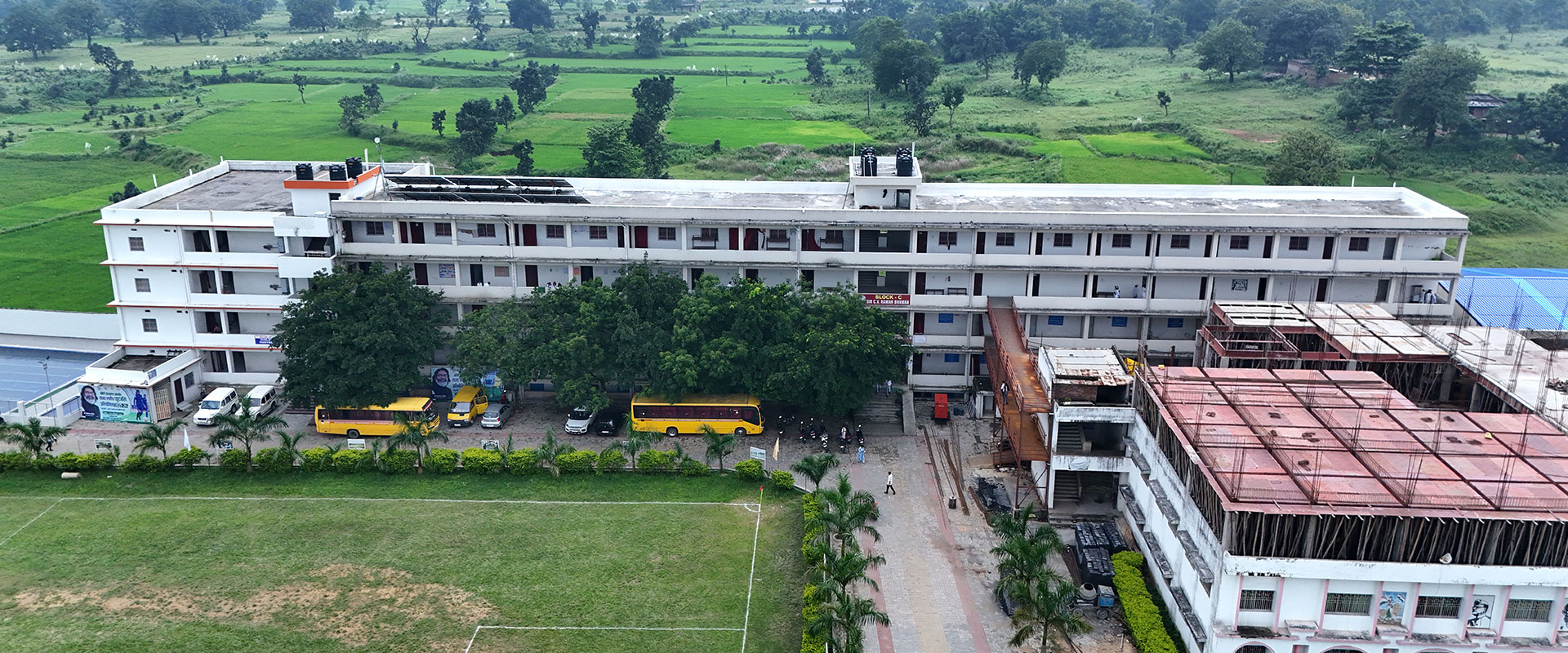
Introduction about Ph.D. in Electrical Engineering at Radha Govind University
Embarking on a doctoral journey in Electrical Engineering at Radha Govind University equips seasoned professionals with the research rigor and innovative mindset required to lead the next wave of technological breakthroughs. The program blends advanced theoretical foundations with practical, industry‑oriented projects, ensuring that graduates emerge as thought leaders in power systems, communication technologies, embedded systems, and emerging fields such as IoT and renewable energy.
Designed for engineers, researchers, and technocrats, the Ph.D. fosters a culture of inquiry, collaboration, and impact‑driven scholarship. Whether you aim to spearhead cutting‑edge R&D in a multinational corporation, assume a faculty role, or launch a tech‑driven startup, the curriculum and research ecosystem at Radha Govind University provide a launchpad for sustained professional growth.
Ph.D Admission 2026-2027 & Writing Support Services by Shiksha Research
Eligibility Criteria for Ph.D. in Electrical Engineering at Radha Govind University
- Minimum of 55% aggregate marks in a recognized Master’s degree (M.Tech, M.E., or equivalent) in Electrical Engineering or a closely related discipline.
- Valid GATE score (Electrical Engineering) or equivalent national-level entrance exam is preferred but not mandatory.
- Applicants must possess a solid academic record and demonstrate research potential through published papers, project reports, or patents.
- For candidates holding a B.Tech/M.Tech (Integrated) degree, a minimum of 60% aggregate is required.
- Foreign nationals must provide equivalence certificates from the Association of Indian Universities (AIU).
Entrance Exam for Ph.D. in Electrical Engineering at Radha Govind University
Radha Govind University conducts its own Ph.D. entrance examination, which evaluates:
- Core concepts in Electrical Machines, Power Electronics, Control Systems, and Signal Processing.
- Analytical and problem‑solving abilities through quantitative sections.
- Research aptitude via a written proposal or statement of purpose.
Candidates who have qualified GATE (Electrical Engineering) are exempted from the written test but must appear for an interview with the department faculty.
Fee Structure for Ph.D. in Electrical Engineering at Radha Govind University
| Category | Annual Fee (INR) |
|---|---|
| Tuition & Laboratory Charges | 80,000 |
| University Development Fee | 10,000 |
| Library & Digital Resources | 5,000 |
| Examination & Evaluation | 7,000 |
| Miscellaneous (Student Welfare, Sports) | 3,000 |
| Total Approximate Cost per Year | 105,000 |
Scholarships, research assistantships, and industry-sponsored projects can significantly reduce the effective cost. Detailed financial assistance information is available in the “Scholarship” section below.
Admission Process for Ph.D. in Electrical Engineering at Radha Govind University
- Online Application: Submit the completed application form through the university portal along with scanned copies of academic transcripts and a research proposal.
- Entrance Examination / GATE Verification: Appear for the university‑conducted test or present a valid GATE score.
- Personal Interview: Shortlisted candidates are invited for a faculty interview to assess research compatibility.
- Document Verification: Submit original certificates for verification at the admission office.
- Admission Confirmation: Receive the admission letter and fee payment instructions.
- Orientation & Registration: Attend the doctoral orientation program and register for the semester.
Ph.D. Subjects and Specializations in Electrical Engineering at Radha Govind University
Students can choose from a broad array of specializations aligned with global industry trends:
- Power System Analysis & Smart Grids
- Renewable Energy Conversion & Storage
- Advanced Control Systems & Robotics
- High‑Frequency Power Electronics
- Digital Signal Processing & Communications
- VLSI Design and Embedded Systems
- Internet of Things (IoT) and Cyber‑Physical Systems
Research Areas in Electrical Engineering at Radha Govind University
Guided by nationally acclaimed faculty, Ph.D. candidates engage in cutting‑edge research covering:
- Grid resiliency and micro‑grid integration.
- Energy harvesting from renewable sources.
- Artificial intelligence for power electronics control.
- Wireless sensor networks for industrial automation.
- Quantum‑inspired communication protocols.
- Low‑power VLSI architectures for AI accelerators.
Documents Required for Ph.D. in Electrical Engineering at Radha Govind University
| Document | Details |
|---|---|
| Academic Transcripts | Marksheets of Bachelor’s and Master’s degrees (original + photocopy) |
| GATE Score Card (if applicable) | Valid score for Electrical Engineering |
| Research Proposal | 2‑3 page document outlining objectives, methodology, and expected outcomes |
| Curriculum Vitae (CV) | Professional experience, publications, patents, and projects |
| Identity Proof | Aadhar Card / Passport |
| Experience Letters (if any) | From previous employers or research labs |
Radha Govind University Ph.D. Syllabus for Electrical Engineering
The doctoral syllabus is modular, comprising core coursework, elective seminars, and research milestones:
- Core Modules (Year 1): Advanced Electromagnetics, Power System Dynamics, Digital Signal Processing, Research Methodology.
- Elective Seminars (Year 1‑2): Topics selected from the specialization list, delivered by industry experts.
- Comprehensive Exams: Conducted at the end of Year 2 to evaluate depth of knowledge.
- Thesis Research: Original contribution published in indexed journals, culminating in a viva‑voce defense.
How To Apply for Ph.D. in Electrical Engineering at Radha Govind University
Follow these step‑by‑step instructions to ensure a smooth application:
- Visit the official university portal and click on the “Ph.D. Admissions” tab.
- Register using a valid email address and create a secure password.
- Complete the online application form, uploading the required documents in PDF format (max 2 MB each).
- Pay the non‑refundable application fee of INR 2,000 through net banking or credit card.
- Submit the form and note the generated application ID for future reference.
- Monitor the email for updates on entrance exam dates or interview schedules.
Career Scope and Job Opportunities After Ph.D. in Electrical Engineering from Radha Govind University
Graduates enjoy a diverse portfolio of career paths:
- Academia: Assistant Professor, Research Scientist, Department Head.
- Industry R&D: Senior Engineer, Innovation Lead, Technology Consultant in power utilities, telecom, aerospace, and semiconductor firms.
- Entrepreneurship: Founder of startups focusing on renewable energy solutions, smart grid analytics, or AI‑enabled hardware.
- Government & Public Sector: Policy analyst, senior technical officer in ministries related to energy and technology.
- International Opportunities: Post‑doctoral fellowships and collaborative projects with global research institutes.
Scholarship for Ph.D. in Electrical Engineering at Radha Govind University
The university offers multiple financial aid options to merit‑based and need‑based candidates:
- UGC‑CSIR JRF: Monthly stipend of INR 31,000 plus contingency grant.
- University Merit Scholarship: 50% tuition waiver for top 10% of applicants.
- Industry Sponsored Fellowship: Partner companies fund research projects, covering fees and a living allowance.
- Women Empowerment Scholarship: Additional INR 10,000 per month for eligible female scholars.
FAQs Regarding Ph.D. in Electrical Engineering at Radha Govind University
- Q: Can I pursue the Ph.D. part‑time while working?
- A: Yes, the university provides a flexible part‑time track with weekend seminars and remote supervision.
- Q: Is there a minimum GATE percentile required?
- A: While there is no strict cutoff, a percentile above 70% significantly strengthens the application.
- Q: How long does it take to complete the Ph.D.?
- A: The typical duration is 3‑4 years, depending on research progress and publication requirements.
- Q: Are there collaborative projects with industry?
- A: Absolutely. The department maintains MoUs with leading firms such as ABB, Siemens, and Tata Power for joint research.
- Q: What language proficiency is required?
- A: English proficiency is essential; non‑native speakers may be asked to submit TOEFL/IELTS scores.
For professional support throughout your doctoral journey, consider specialized services that enhance the quality of your research output:








