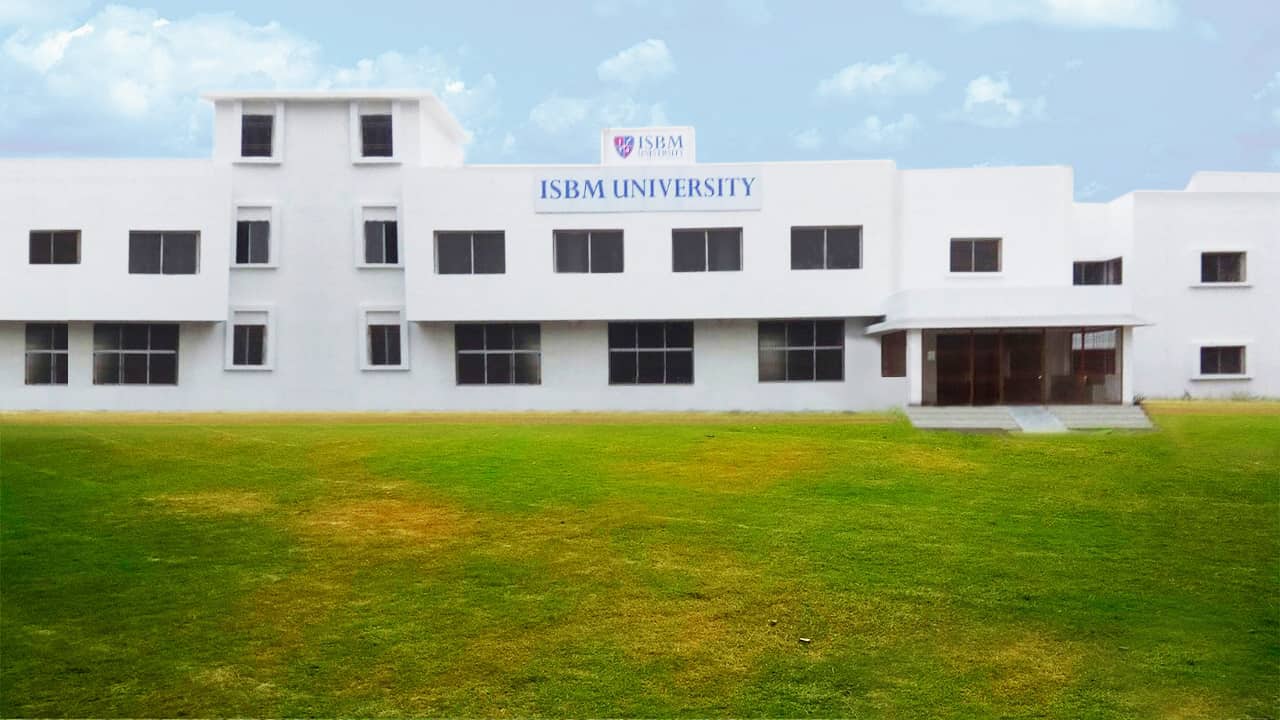
Ph.D. in Electronics And Communication Engineering from ISBM University: Eligibility, Entrance Exam, Fee Structure, Admission Process, Subjects, Research Areas, Syllabus, Scholarship & Career Scope
Introduction about Ph.D. in Electronics And Communication Engineering at ISBM University
Embarking on a doctoral journey in Electronics and Communication Engineering (ECE) at ISBM University opens doors to cutting‑edge research, industry collaborations, and a platform to shape the future of wireless technologies, signal processing, and embedded systems. The program is designed for professionals who aspire to lead innovative projects, publish high‑impact papers, and transition into academic or senior R&D roles. With state‑of‑the‑art laboratories, seasoned faculty, and a strong focus on interdisciplinary research, ISBM University stands out as a beacon for aspiring engineers seeking to deepen their expertise and make a tangible impact on the technology landscape.
Eligibility Criteria for Ph.D. in Electronics And Communication Engineering at ISBM University
- Master’s degree (M.Tech, M.E., MSc) in Electronics, Telecommunication, Electrical Engineering or any related discipline with a minimum of 55% marks (or equivalent CGPA).
- Candidates with a Bachelor’s degree (B.E./B.Tech) may also apply if they have secured 65% marks and have published at least one research paper in a Scopus‑indexed journal.
- Valid GATE score in Electronics & Communication (optional but advantageous).
- Qualifying the university’s entrance test and interview.
- Age limit: No upper age restriction; however, candidates must meet the academic requirements.
Entrance Exam for Ph.D. in Electronics And Communication Engineering at ISBM University
The entrance examination evaluates the candidate’s depth of knowledge in core ECE concepts and research aptitude. The test structure includes:
- Paper‑I (Written Test): 100 multiple‑choice questions covering Signal Processing, Digital Communication, Microwave Engineering, VLSI Design, and Research Methodology.
- Paper‑II (Interview): An oral interview to assess research proposal, analytical thinking, and alignment with faculty interests.
Preparation resources such as previous year papers, GATE study material, and research journals are recommended. Successfully clearing the exam is the first major step toward securing a research seat at ISBM University.
Fee Structure for Ph.D. in Electronics And Communication Engineering at ISBM University
| Component | Annual Cost (INR) | Total (3‑Year Program) |
|---|---|---|
| Tuition & Lecture Fees | 75,000 | 225,000 |
| Laboratory & Equipment Charges | 20,000 | 60,000 |
| Library & Digital Resources | 5,000 | 15,000 |
| Examination & Evaluation Fees | 7,000 | 21,000 |
| Miscellaneous (Student Services, Certification) | 3,000 | 9,000 |
| Total Estimated Cost | – | 330,000 |
Scholarships, research assistantships, and industry‑sponsored projects can significantly offset these costs, making the Ph.D. program financially accessible.
Admission Process for Ph.D. in Electronics And Communication Engineering at ISBM University
- Online Application: Fill the web‑based application form and upload scanned copies of academic certificates.
- Entrance Examination: Appear for the written test on the scheduled date.
- Interview & Research Proposal Review: Shortlisted candidates are invited for a personal interview and presentation of their research proposal.
- Document Verification: Submit original documents for verification at the university’s admission office.
- Admission Confirmation: Receive the admission letter and complete the fee payment within the stipulated timeline.
Ph.D. Subjects and Specializations in Electronics And Communication Engineering at ISBM University
ISBM University offers a wide array of research specializations, allowing candidates to align their doctoral work with emerging industry trends:
- Advanced Wireless Communication Systems
- Signal Processing and Machine Learning for Communications
- Microwave & RF Engineering
- VLSI Design and Nanoelectronics
- Internet of Things (IoT) and Embedded Systems
- Optoelectronics and Photonic Devices
- Satellite and Space Communication
Research Areas in Electronics And Communication Engineering at ISBM University
The university’s research ecosystem focuses on solving real‑world challenges. Current high‑impact areas include:
- 5G/6G Network Architecture – Development of low‑latency, high‑throughput protocols.
- Artificial Intelligence in Signal Processing – AI‑driven modulation classification and spectrum sensing.
- Energy‑Efficient VLSI – Ultra‑low power ASIC design for wearables.
- Smart Antenna and Beamforming – Adaptive antenna arrays for autonomous vehicles.
- Quantum Communication – Exploring secure quantum key distribution.
Documents Required for Ph.D. in Electronics And Communication Engineering at ISBM University
| Document | Format | Remarks |
|---|---|---|
| Academic Transcripts (Post‑Graduate) | PDF (Scanned) | Attested copies required |
| Degree Certificate | PDF (Scanned) | Original to be shown during verification |
| Research Proposal (2‑3 pages) | DOCX/PDF | Must align with faculty interests |
| GATE Score Card (if applicable) | Optional but favorable | |
| Curriculum Vitae | Include publications, patents, projects | |
| Letter of Recommendation (2) | From academic or industry mentors | |
| Passport‑Size Photograph | JPEG/PNG | Recent, white background |
ISBM University Ph.D. Syllabus for Electronics And Communication Engineering
The doctoral syllabus is structured to provide a solid foundation in research methodology followed by specialization modules. Core components include:
- Research Methodology & Scientific Writing
- Advanced Topics in Digital Communication
- Signal Processing Techniques for Modern Systems
- RF & Microwave Circuit Design
- VLSI Design and Emerging Nano‑Technologies
- Elective: AI‑Based Communication, Quantum Technologies, or Satellite Systems
- Thesis Submission and Defense
How To Apply for Ph.D. in Electronics And Communication Engineering at ISBM University
- Visit the official ISBM University website and navigate to the “Ph.D. Admissions” portal.
- Register using a valid email address and create a secure password.
- Fill in personal, academic, and research details. Upload the required documents (see “Documents Required” section).
- Select your preferred research specialization and propose a tentative research title.
- Pay the non‑refundable application fee via net banking, credit/debit card, or UPI.
- Submit the application and note the acknowledgment number for future correspondence.
- Prepare for the entrance exam and interview as per the schedule communicated via email.
Career Scope and Job Opportunities After Ph.D. in Electronics And Communication Engineering from ISBM University
A doctorate from ISBM University equips graduates with expertise that is highly sought after across multiple sectors:
- Academic Positions: Assistant Professor, Research Fellow, Department Head in premier institutes.
- R&D Centers: Senior Scientist, Project Lead in DRDO, ISRO, CSIR labs.
- Telecommunication Industry: Chief Technology Officer, Network Architect, Signal Processing Engineer at companies like Nokia, Ericsson, Qualcomm.
- Semiconductor & VLSI Firms: Design Engineer, Verification Lead at Intel, Samsung, Texas Instruments.
- Start‑ups & Innovation Hubs: Founder/CTO of IoT and AI‑driven communication solutions.
- Consultancy & Patenting: Independent consultant for wireless standards, authorship of patents and technical standards.
The blend of theoretical depth and practical exposure ensures that graduates can command attractive salary packages and leadership roles worldwide.
Scholarship for Ph.D. in Electronics And Communication Engineering at ISBM University
ISBM University offers merit‑based scholarships and research assistantships covering up to 50% of tuition fees. Additional financial support includes:
- University Fellowships for top 10% of applicants.
- Industry‑Sponsored Projects that provide stipends and equipment access.
- Government Grants (UGC‑CSIR, AICTE) for specific research themes. </








