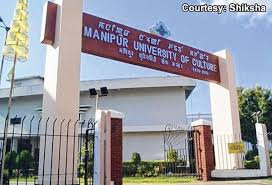
Ph.D. in Electronics And Communication Engineering at Manipur University
Embarking on a doctoral journey in Electronics And Communication Engineering (ECE) at Manipur University opens doors to cutting‑edge research, industry collaborations, and academic excellence. This comprehensive guide walks you through every step—from eligibility and entrance exams to scholarships and career opportunities—so you can make an informed decision and start shaping the future of wireless communication, signal processing, and embedded systems.
Eligibility Criteria for Ph.D. in Electronics And Communication Engineering at Manipur University
Prospective candidates must meet the following minimum requirements:
- A Master’s degree (M.Tech/M.Sc.) in Electronics, Communication, Electrical Engineering, or a related discipline with at least 55% aggregate (or 5.0 CGPA on a 10‑point scale).
- Alternatively, a Bachelor’s degree (B.E./B.Tech) with 65% aggregate and a valid GATE score (Electronics & Communication) accepted by the University.
- Qualified in the University’s Ph.D. entrance examination or an equivalent national-level test (e.g., CSIR‑NET, UGC‑NET).
- Research aptitude demonstrated through a published paper or a research proposal of at least 2,000 words.
Entrance Exam for Ph.D. in Electronics And Communication Engineering at Manipur University
The entrance exam evaluates the candidate’s depth of knowledge in core ECE subjects and research potential. The exam pattern is as follows:
- Duration: 2 hours
- Total Marks: 100
- Sections:
- Digital Signal Processing (20 marks)
- Wireless Communication (20 marks)
- Microelectronics & VLSI (20 marks)
- Research Methodology & Statistics (20 marks)
- General Aptitude (20 marks)
Candidates who have cleared GATE (ECE) or UGC‑NET may be exempted from the written test, proceeding directly to an interview and proposal evaluation.
Fee Structure for Ph.D. in Electronics And Communication Engineering at Manipur University
| Fee Component | Amount (INR) | Notes |
|---|---|---|
| Application Processing Fee | 1,500 | Non‑refundable, payable online |
| Annual Tuition Fee | 12,000 | Includes library and lab access |
| Semester Examination Fee | 2,000 | Payable each semester |
| Research Material & Lab Charges | 5,000 (estimated) | Depends on project scope |
| Hostel & Mess (optional) | 8,000 – 12,000 | Based on accommodation type |
| Total Estimated Yearly Cost | 28,500 – 32,500 | Excluding scholarships and grants |
Admission Process for Ph.D. in Electronics And Communication Engineering at Manipur University
- Online Application: Submit the application form through the university portal with scanned copies of academic transcripts.
- Entrance Examination: Appear for the written test or submit GATE/NET scores for exemption.
- Interview & Proposal Review: Shortlisted candidates are invited for a personal interview and presentation of their research proposal.
- Document Verification: Upload certified copies of all required documents (see table below).
- Admission Offer: Successful candidates receive a formal admission letter and enrollment instructions.
- Fee Payment: Pay the requisite fees within the stipulated deadline to confirm the seat.
Ph.D. Subjects and Specializations in Electronics And Communication Engineering at Manipur University
Manipur University offers a wide range of specialization tracks aligned with emerging technologies:
- Wireless & Mobile Communication
- Signal Processing & Multimedia Systems
- Embedded Systems & IoT
- VLSI Design & Nanoelectronics
- Optical Communication & Photonics
- Artificial Intelligence in Communication Networks
Research Areas in Electronics And Communication Engineering at Manipur University
Students can contribute to nationally funded projects and collaborate with industry partners in the following domains:
- 5G/6G Network Architecture and Spectrum Management
- Machine Learning for Adaptive Signal Processing
- Low‑Power VLSI for Wearable Devices
- Satellite Communication and Remote Sensing
- Secure Communication Protocols for IoT
- Quantum Communication Systems
Documents Required for Ph.D. in Electronics And Communication Engineering at Manipur University
| Document | Format | Additional Details |
|---|---|---|
| Application Form (online) | Completed and signed digitally | |
| Academic Transcripts | PDF (scanned) | Original certificates and mark sheets |
| GATE/NET Scorecard (if applicable) | Valid for the current admission cycle | |
| Research Proposal (2,000–3,000 words) | DOCX/PDF | Include objectives, methodology, and expected outcomes |
| Curriculum Vitae | Highlight publications, projects, and patents | |
| Two Academic References | PDF (signed letters) | From supervisors or senior faculty members |
| Proof of Identity (Aadhaar/Passport) | Valid government‑issued ID |
Manipur University Ph.D. Syllabus for Electronics And Communication Engineering
The syllabus is designed to blend theoretical depth with practical research skills. Core modules include:
- Advanced Digital Communication Theory
- Microwave Engineering and Antenna Design
- Embedded Systems Architecture
- Statistical Signal Processing
- Research Methodology, Ethics & Publication Standards
Elective courses are chosen based on the selected specialization and ongoing faculty projects.
How To Apply for Ph.D. in Electronics And Communication Engineering at Manipur University
Follow these step‑by‑step instructions to submit a successful application:
- Visit the official Manipur University Ph.D. portal and create a user account.
- Fill in personal details, academic history, and upload scanned copies of all required documents.
- Pay the non‑refundable application fee using credit/debit card or net banking.
- Submit your research proposal and wait for an email confirming your eligibility for the entrance exam.
- Prepare for the written test or arrange for GATE/NET score submission if you qualify for exemption.
- After the interview, upload the final admission acceptance letter and pay the first year’s tuition fee.
Career Scope and Job Opportunities After Ph.D. in Electronics And Communication Engineering from Manipur University
A doctorate in ECE equips you for high‑impact roles across academia, industry, and government agencies. Typical career pathways include:
- Assistant/Associate Professor – leading research labs and mentoring graduate students.
- R&D Engineer – working with telecom giants like Nokia, Ericsson, or Indian startups on next‑gen communication solutions.
- Chief Technology Officer (CTO) – steering technology strategy for IoT and AI‑driven companies.
- Senior Scientist – positions at DRDO, ISRO, and national research institutes.
- Consultant – providing expertise in spectrum management, network security, and standards development.
According to the Ministry of Education, Ph.D. holders in engineering enjoy an average salary increase of 30–40% compared to master’s graduates.
Scholarship for Ph.D. in Electronics And Communication Engineering at Manipur University
Financial assistance is available through multiple channels:
- University Merit Scholarship: Covers up to 100% of tuition and provides a monthly stipend of INR 15,000.
- UGC‑JRF (Junior Research Fellowship): National scholarship offering INR 31,000 per month for the first two years.
- CSIR‑NET Fellowship: Full tuition waiver and a stipend of INR 35,000 per month.
- Industry Sponsored Projects: Collaborative research grants that often include a stipend and equipment support.
Early application and a strong research proposal increase the likelihood of receiving a scholarship.
FAQs Regarding Ph.D. in Electronics And Communication Engineering at Manipur University
- What is the minimum duration to complete the Ph.D. program?
- Typically 3 years for full‑time candidates, with a possible extension up to 5 years based on research progress.
- Can I pursue the Ph.D. part‑time while working?
- Yes, the university offers a part‑time mode allowing professionals to attend weekend seminars and submit progress reports quarterly.
- Is there any provision for foreign nationals?
- International candidates can apply under the same eligibility criteria, provided they have equivalence certificates for their degrees.
- Do I need to publish a paper before enrollment?
- It is not mandatory, but having at least one peer‑reviewed publication strengthens your application and may improve scholarship prospects.
- How many courses are required during the Ph.D.?
- Four core courses and








