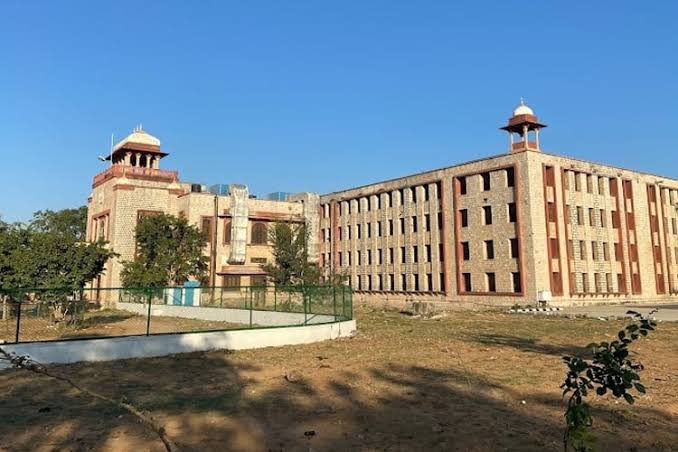
Introduction about Ph.D. in Energy Engineering at Rajasthan University
Embarking on a Ph.D. in Energy Engineering at Rajasthan University opens a gateway to cutting?edge research, innovative problem?solving, and leadership in the rapidly evolving energy sector. The program blends rigorous academic theory with real?world applications, empowering professionals to pioneer sustainable solutions, influence policy, and drive technological breakthroughs. With world?class faculty, state?of?the?art laboratories, and collaborations with industry giants, the doctorate cultivates thought leaders who shape the future of renewable energy, smart grids, and energy efficiency.
Eligibility Criteria for Ph.D. in Energy Engineering at Rajasthan University
Prospective candidates must meet the following baseline requirements:
- Holding a Master?s degree (M.Tech, M.E., M.Sc.) in Energy Engineering, Electrical Engineering, Mechanical Engineering, or a closely related discipline with a minimum aggregate of 55% (45% for reserved categories).
- Qualifying the University?s entrance examination or possessing a national level qualification such as UGC?NET/CSIR?NET/ GATE in relevant subjects.
- Demonstrated research aptitude through publications, project work, or professional experience in the energy sector.
- For candidates with a Ph.D. in another field seeking interdisciplinary research, a minimum of 2 years of post?graduate research experience is required.
Entrance Exam for Ph.D. in Energy Engineering at Rajasthan University
The entrance process consists of a two?stage evaluation:
- Written Test: A 100?question paper covering fundamentals of thermodynamics, power systems, renewable energy technologies, and research methodology.
- Interview & Presentation: Shortlisted candidates present a research proposal and undergo a technical interview with the department?s faculty panel.
Exceptional candidates holding a valid UGC?NET/CSIR?NET/GATE score may be exempted from the written test.
Fee Structure for Ph.D. in Energy Engineering at Rajasthan University
| Component | Annual Cost (INR) |
|---|---|
| Tuition Fee | ? 30,000 |
| Lab & Resource Charges | ? 12,000 |
| Registration & Examination Fee | ? 8,000 |
| Library & Digital Access | ? 2,500 |
| Total (per year) | ? 52,500 |
The program typically spans 3?4 years, with the possibility of fee waivers for merit scholars and sponsored candidates.
Admission Process for Ph.D. in Energy Engineering at Rajasthan University
The admission journey is streamlined into four clear steps:
- Online Application: Fill the portal form, upload academic transcripts, and pay the application fee.
- Document Verification: Submit original certificates and a detailed research proposal to the department office.
- Entrance Evaluation: Appear for the written test (or submit NET/GATE score) followed by the interview.
- Final Admission Offer: Receive the admission letter, enroll for the semester, and begin your research work.
Throughout the process, candidates can seek guidance from the university?s Thesis and Dissertation Writing Services to craft compelling proposals.
Ph.D. Subjects and Specializations in Energy Engineering at Rajasthan University
The doctorate offers a spectrum of specialization tracks, allowing candidates to tailor their research to emerging industry needs:
- Renewable Energy Systems (Solar, Wind, Bio?energy)
- Smart Grid Technology and Power Electronics
- Energy Storage and Battery Management
- Thermal Energy Conversion and Heat Transfer
- Energy Policy, Economics, and Sustainable Development
- Industrial Energy Efficiency and Process Optimization
Research Areas in Energy Engineering at Rajasthan University
Faculty expertise and laboratory infrastructure support investigations in:
- Advanced photovoltaic materials and perovskite solar cells.
- Hybrid renewable?wind farm integration and grid stability.
- Next?generation supercapacitors and solid?state batteries.
- Artificial intelligence for demand?side management.
- Carbon capture, utilization, and storage technologies.
- Life?cycle assessment of renewable energy projects.
Students may collaborate with industry partners and benefit from the university?s Research Data Analysis Services to bolster their empirical studies.
Documents Required for Ph.D. in Energy Engineering at Rajasthan University
Applicants must compile the following paperwork before submission:
- Completed application form (online).
- Scanned copies of academic transcripts and degree certificates.
- Proof of NET/GATE qualification (if applicable).
- Detailed research proposal (max 2,500 words).
- Curriculum Vitae highlighting research experience and publications.
- Two recommendation letters from academicians or industry mentors.
- Passport?size photograph (recent).
- Proof of identity (Aadhaar, PAN, or passport).
Rajasthan University Ph.D. Syllabus for Energy Engineering
The curriculum is structured into core modules and research milestones:
- Core Coursework (Year 1): Research Methodology, Advanced Thermodynamics, Power System Analysis, Renewable Energy Technologies, and Statistical Tools for Engineering.
- Electives (Year 1?2): Smart Grids, Energy Economics, Advanced Materials, and Machine Learning for Energy Systems.
- Comprehensive Examination: After completing coursework, candidates must clear a written and oral comprehensive exam.
- Thesis Development: Original research, data collection, analysis, and publication in peer?reviewed journals.
- Defense: Presentation of findings before an expert panel, followed by viva?voce.
For manuscript preparation, students often rely on the university?s Research Paper Writing Services to meet international publishing standards.
How To Apply for Ph.D. in Energy Engineering at Rajasthan University
Follow this step?by?step guide to submit a successful application:
- Visit the official Rajasthan University admissions portal and create a user account.
- Enter personal details, academic history, and upload required documents (PDF format, max 5?MB each).
- Pay the non?refundable application fee (??1,500) via net banking or credit card.
- Submit the online form and note the application reference number.
- Monitor email for the admit card for the entrance test or instructions for NET/GATE verification.
- After clearing the entrance stage, attend the interview and submit any additional documents requested.
- Upon receipt of the admission offer, complete the enrollment formalities and register for the first semester.
Career Scope and Job Opportunities After Ph.D. in Energy Engineering from Rajasthan University
Graduates enjoy a broad spectrum of high?impact career paths:
- Academic Positions: Assistant Professor, Research Fellow, or Post?Doctoral Scholar at premier institutions.
- Industry Roles: R&D Engineer, Energy Analyst, Chief Technology Officer, or Project Manager in utilities, OEMs, and consulting firms.
- Policy & Consultancy: Energy policy advisor for government agencies, NGOs, or international bodies like IEA and UNDP.
- Entrepreneurship: Founding startups focused on renewable technologies, energy storage, or smart grid solutions.
The burgeoning Indian renewable market and global emphasis on decarbonisation ensure an increasing demand for Ph.D. holders equipped with deep technical expertise and research acumen.
Scholarship for Ph.D. in Energy Engineering at Rajasthan University
Financial assistance is available through several channels:
- University Merit Scholarship: 50% tuition waiver for candidates scoring above 85% in the entrance exam.
- National Fellowships: UGC?JRF, CSIR?JRF, and AICTE Research Fellowship covering full tuition and a monthly stipend.
- Industry Sponsored Projects: Collaborations with Power Grid Corp., Tata Power, and Siemens provide project?based funding.
- External Grants: International scholarships such as the Commonwealth Scholarship and Fulbright Programme.
Students can also leverage the university?s Questionnaire Design and Development service to craft robust research questionnaires that attract grant approvals.
FAQs Regarding Ph.D. in Energy Engineering at Rajasthan University
- What is the minimum qualifying degree for admission?
- A Master?s degree (M.Tech, M.E., M.Sc.) in Energy Engineering or a related discipline with at least 55% marks.
- Can I join the Ph.D. program directly after my bachelor's?
- No. A postgraduate qualification is mandatory, unless you have a recognized professional experience of 5+ years coupled with a qualifying NET/GATE score.
- Is there a part?time option for working professionals?
- Rajasthan University offers a








