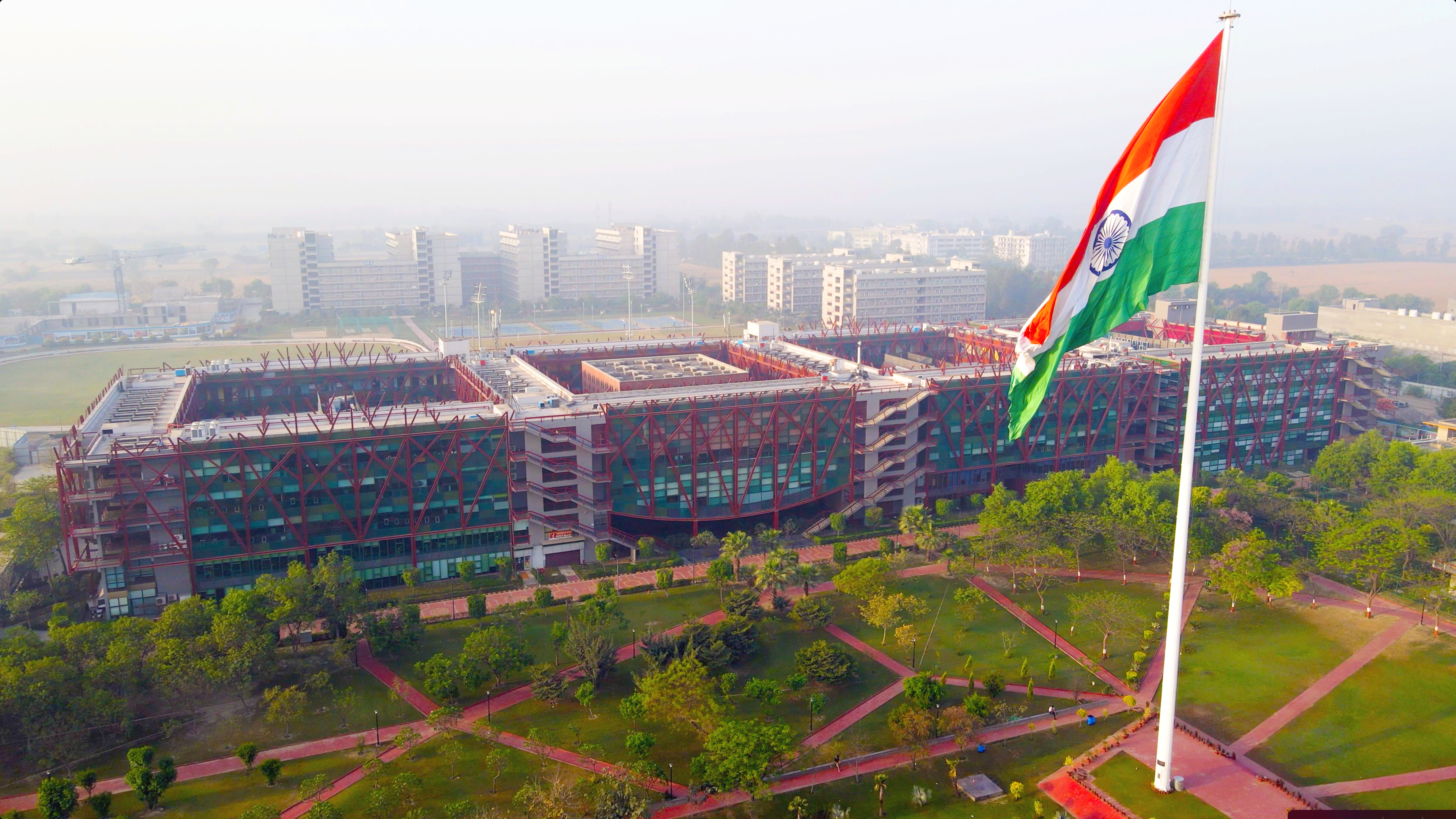
Ph.D. in English Literature from O.P. Jindal Global University: Eligibility, Entrance Exam, Fee Structure, Admission Process, Subjects, Research Areas, Syllabus, Scholarship & Career Scope
Introduction about Ph.D. in English Literature at O.P. Jindal Global University
The Doctor of Philosophy in English Literature at O.P. Jindal Global University is designed for scholars who aspire to shape the future of literary criticism, theory, and cultural studies. This flagship programme blends rigorous research methodology with interdisciplinary perspectives, empowering professionals to become thought leaders in academia, publishing, media, and beyond. By joining a vibrant intellectual community, candidates gain access to world‑class faculty, state‑of‑the‑art resources, and a supportive environment that nurtures innovative scholarship.
Eligibility Criteria for Ph.D. in English Literature at O.P. Jindal Global University
Prospective candidates must meet the following baseline requirements:
- Master’s degree in English Literature, Comparative Literature, or a closely related discipline from a recognized university.
- Minimum aggregate of 55% (or equivalent CGPA) in the qualifying postgraduate program.
- Proof of proficiency in English (e.g., IELTS/TOEFL) for candidates whose previous education was not in English medium.
- Strong academic record with at least two research publications or a well‑crafted research proposal is highly desirable.
Entrance Exam for Ph.D. in English Literature at O.P. Jindal Global University
The university conducts a comprehensive entrance assessment that evaluates both subject expertise and research aptitude. The exam comprises:
- Written Test (100 marks): Critical analysis, literary theory, research methodology, and academic writing.
- Interview (30 minutes): Presentation of research proposal, discussion of scholarly interests, and assessment of communication skills.
- Optional Viva‑Voce: For candidates with outstanding academic achievements, a short viva may replace the written component.
Candidates can also apply for direct admission based on national or international research fellowships, bypassing the entrance test.
Fee Structure for Ph.D. in English Literature at O.P. Jindal Global University
| Component | Annual Fee (INR) | Notes |
|---|---|---|
| Tuition & Coursework | 1,60,000 | Includes seminars, workshops, and library access. |
| Research & Lab Charges | 40,000 | Covers archival visits, digital resources, and software licences. |
| Administrative & Examination | 20,000 | Registration, evaluation, and certification fees. |
| Total Approx. per Year | 2,20,000 |
Fee waivers and scholarships are available for meritorious candidates, especially those with published research or funded projects.
Admission Process for Ph.D. in English Literature at O.P. Jindal Global University
The step‑by‑step admission roadmap is as follows:
- Online Application: Submit the application form through the university portal, attaching academic transcripts, CV, and research proposal.
- Document Verification: The admissions committee reviews eligibility, research credentials, and language proficiency.
- Entrance Examination: Appear for the written test and interview (or submit a direct admission dossier if applicable).
- Selection & Offer Letter: Successful candidates receive an admission offer with fee details and scholarship information.
- Enrollment: Pay the initial fee, complete registration, and attend orientation.
Ph.D. Subjects and Specializations in English Literature at O.P. Jindal Global University
Students can tailor their doctoral research across a spectrum of specializations, including:
- Postcolonial and Global Literature
- Modernist and Contemporary Poetry
- Gender, Queer & Diaspora Studies
- Digital Humanities and Computational Text Analysis
- Comparative Literary Theory
- Literature and Visual Culture
Research Areas in English Literature at O.P. Jindal Global University
Faculty expertise and institutional resources support cutting‑edge investigations in:
- Ecocriticism and Environmental Humanities
- Transnational Narrative Forms
- Critical Editions and Manuscript Studies
- Literary Translation and Intercultural Mediation
- Media Adaptations: Film, Digital Media, and Virtual Reality
- Intersections of Literature with Law, Politics, and Ethics
Documents Required for Ph.D. in English Literature at O.P. Jindal Global University
| Document | Format | Remarks |
|---|---|---|
| Academic Transcripts (Postgraduate) | PDF (Certified) | Include mark sheets for all semesters. |
| Research Proposal (1500‑2000 words) | Highlight objectives, methodology, and literature review. | |
| Curriculum Vitae | Emphasize publications, conferences, and teaching experience. | |
| English Proficiency Certificate | IELTS/TOEFL or equivalent. | |
| Letter of Recommendation (2) | From academic supervisors or senior professionals. |
O.P. Jindal Global University Ph.D. Syllabus for English Literature
The doctoral syllabus is structured into three core phases:
- Phase I – Coursework (Year 1): Advanced Literary Theory, Research Methodologies, Digital Humanities Tools, and Pedagogy.
- Phase II – Comprehensive Exam (End of Year 2): Written and oral assessment covering major research domains.
- Phase III – Thesis Development (Years 3‑5): Original research, conference presentations, and final dissertation submission.
Throughout the programme, candidates are encouraged to attend workshops on Thesis and Dissertation Writing Services to refine their scholarly writing.
How To Apply for Ph.D. in English Literature at O.P. Jindal Global University
Follow these concise steps to submit a successful application:
- Visit the official O.P. Jindal Global University admissions portal.
- Create an account and fill in personal, academic, and research details.
- Upload the required documents (see “Documents Required” section).
- Pay the non‑refundable application fee of INR 2,500 via online gateway.
- Submit the form and note the application reference number for future correspondence.
- Prepare for the entrance exam – download the sample paper and schedule your test slot.
Career Scope and Job Opportunities After Ph.D. in English Literature from O.P. Jindal Global University
A doctoral degree in English Literature opens diverse pathways:
- Academic Positions: Assistant Professor, Associate Professor, or tenured faculty roles in universities worldwide.
- Research Fellowships: Post‑doctoral fellowships at cultural institutes, think tanks, and literary foundations.
- Publishing & Editorial Work: Senior editor, acquisitions editor, or literary agent for leading publishing houses.
- Media & Content Strategy: Content director, scriptwriter, or cultural analyst for digital platforms and broadcast media.
- Policy & Consultancy: Advisor on cultural policy, heritage preservation, and educational reform.
- Entrepreneurship: Founder of literary festivals, online literary journals, or educational start‑ups.
Graduates also benefit from the university’s alumni network, which frequently hosts placement drives and industry‑academia interaction sessions.
Scholarship for Ph.D. in English Literature at O.P. Jindal Global University
The university offers merit‑based and need‑based scholarships, such as:
- Jindal Merit Scholarship: Up to 50% tuition waiver for candidates with a CGPA ≥ 8.0/10.
- Research Grant Fellowship: Funding for fieldwork, archival visits, and conference travel.
- External Fellowships: Opportunities to apply for UGC‑JRF, CSIR‑NET, and international scholarships (e.g., Fulbright, Commonwealth).
Students may also avail of Research Data Analysis Services to enhance the statistical robustness of their dissertations.
FAQs Regarding Ph.D. in English Literature at O.P. Jindal Global University
- Q1: What is the typical duration of the Ph.D. programme?
- A: The full‑time programme is designed to be completed in 4‑5 years, depending on research progress and publication requirements.
- Q2: Can working professionals enroll part‑time?
- A: Yes, a flexible part‑time mode is available for qualified professionals, with extended timelines for coursework and thesis submission.
- Q3: Is there a requirement for teaching assistance?
- A: Doctoral candidates are expected to undertake a minimum of 150 teaching hours per academic year as part of their professional development.
- Q4: How are research proposals evaluated?
- A: Proposals undergo a two‑stage review – initial screening by the Departmental Committee followed by a detailed assessment from an external expert panel.
- Q5: Are there opportunities for interdisciplinary collaboration?
- A: Absolutely. The university encourages joint supervision with departments such as History, Sociology, and Media Studies, fostering interdisciplinary scholarship.
For further assistance with dissertation preparation, explore Research Paper Writing Services. If you need help designing surveys or interview protocols, our <








