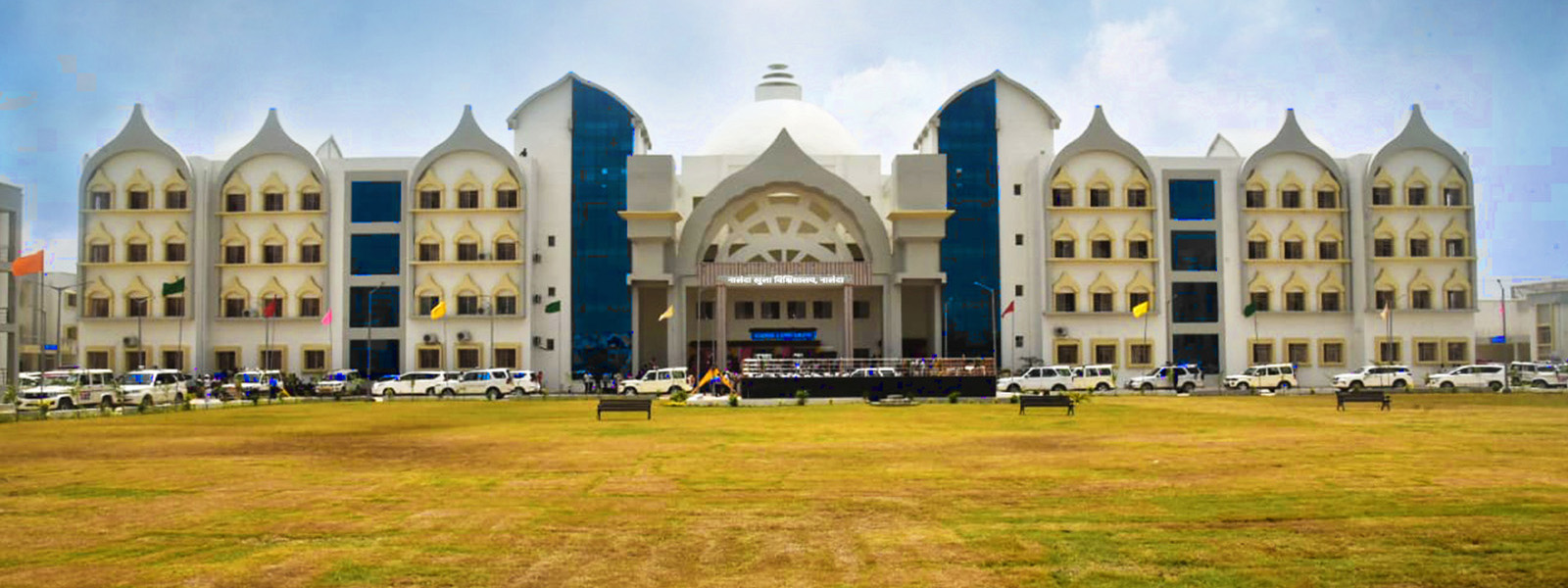
Introduction about Ph.D. in Environmental Science at Nalanda Open University
Embarking on a doctoral journey in Environmental Science at Nalanda Open University opens doors to cutting‑edge research, interdisciplinary collaboration, and a profound impact on sustainable development. Designed for professionals who aspire to lead climate‑action initiatives, policy formulation, and innovative environmental solutions, this program blends rigorous academic training with real‑world applicability. With a flexible distance‑learning model, scholars can balance career commitments while contributing to global environmental stewardship.
Ph.D Admission 2026-2027 & Writing Support Services by Shiksha Research
Eligibility Criteria for Ph.D. in Environmental Science at Nalanda Open University
- Master’s degree (M.Sc., M.A., M.Tech., or equivalent) in Environmental Science, Ecology, Geography, Agriculture, or related disciplines with a minimum of 55% aggregate.
- Valid GATE/NET score in relevant subject (optional but advantageous).
- Professional experience of at least 2 years in research, industry, or government agencies working on environmental projects.
- English proficiency – minimum IELTS 6.0 or TOEFL 80 (for candidates whose medium of instruction was not English).
- Clear academic record with no pending disciplinary actions.
Entrance Exam for Ph.D. in Environmental Science at Nalanda Open University
The university conducts a comprehensive entrance test that evaluates:
- Fundamental concepts of environmental science and related disciplines.
- Research methodology, statistics, and data analysis.
- Critical thinking and problem‑solving through case studies.
- English language proficiency (written communication).
Candidates may also be admitted based on their research proposal and interview performance if they hold a valid GATE/NET score.
Fee Structure for Ph.D. in Environmental Science at Nalanda Open University
| Component | Amount (INR) | Notes |
|---|---|---|
| Application & Registration Fee | 2,500 | Non‑refundable, payable at the time of online submission. |
| Annual Tuition & Examination Fee | 35,000 | Inclusive of theory, practical, and evaluation charges. |
| Research Project Funding (optional) | 10,000 – 20,000 | Depends on project scope and laboratory usage. |
| Miscellaneous Charges (e‑library, software, etc.) | 3,000 | One‑time payment. |
| Total Approximate Cost (3‑Year Programme) | 115,500 – 125,500 | Subject to annual revisions. |
Admission Process for Ph.D. in Environmental Science at Nalanda Open University
The admission journey is streamlined into five essential steps:
- Online Application: Fill out the digital form on the university portal and upload scanned copies of academic certificates.
- Document Verification: The admissions office validates authenticity and eligibility.
- Entrance Examination / Proposal Review: Appear for the entrance test or submit a detailed research proposal for direct evaluation.
- Personal Interview: Shortlisted candidates are invited for a virtual interview with the faculty panel.
- Final Admission Letter: Successful candidates receive a formal offer, fee payment details, and enrolment guidelines.
Ph.D. Subjects and Specializations in Environmental Science at Nalanda Open University
Students can tailor their doctoral studies to focus on one of the following specializations:
- Climate Change Modeling and Impact Assessment
- Environmental Toxicology and Risk Analysis
- Renewable Energy Systems and Policy
- Water Resources Management and Conservation
- Urban Sustainability and Smart Cities
- Biodiversity Conservation and Ecosystem Services
- Environmental GIS, Remote Sensing & Spatial Analysis
Research Areas in Environmental Science at Nalanda Open University
Faculty mentors guide scholars across diverse research fronts, including:
- Carbon sequestration techniques and greenhouse gas mitigation.
- Microplastics pollution and marine ecosystem health.
- Solar and wind energy integration in rural grids.
- Groundwater quality monitoring using advanced sensors.
- Socio‑economic impacts of climate‑induced migration.
- Policy frameworks for circular economy implementation.
- Artificial intelligence applications in environmental monitoring.
Documents Required for Ph.D. in Environmental Science at Nalanda Open University
| Document | Format | Remarks |
|---|---|---|
| Filled Application Form | Online submission only. | |
| Academic Transcripts & Degree Certificates | Scanned PDF (color) | All pages, including provisional certificates. |
| GATE/NET Score Card (if applicable) | Original score report. | |
| Research Proposal (2,500 words max) | DOCX or PDF | Include objectives, methodology, and expected outcomes. |
| Curriculum Vitae (CV) | Professional format, recent publications listed. | |
| Proof of English Proficiency | IELTS/TOEFL score card. | |
| Identity Proof (Aadhaar/Passport) | Valid, government‑issued ID. |
Nalanda Open University Ph.D. Syllabus for Environmental Science
The syllabus is divided into three phases:
- Phase I – Foundation Courses (Year 1): Research Methodology, Advanced Statistics, Scientific Writing, and Ethics in Environmental Research.
- Phase II – Core Modules (Year 2): Specialized electives based on chosen specialization, GIS & Remote Sensing, Climate Systems, and Sustainable Development.
- Phase III – Dissertation (Year 3): Original research, data collection, analysis, publication of at least two peer‑reviewed articles, and thesis defense.
How To Apply for Ph.D. in Environmental Science at Nalanda Open University
Follow this step‑by‑step guide:
- Visit the official Ph.D. portal and create a user account.
- Complete the application form, ensuring all mandatory fields are filled.
- Upload the required documents (refer to the “Documents Required” table).
- Pay the non‑refundable application fee through the secured payment gateway.
- Submit the research proposal; optionally attach a GATE/NET score card.
- Monitor your email for interview invites and further instructions.
- Upon selection, confirm admission by paying the first year’s tuition fee.
Career Scope and Job Opportunities After Ph.D. in Environmental Science from Nalanda Open University
Graduates emerge as thought leaders equipped to occupy high‑impact roles such as:
- Senior Environmental Analyst – Multinational Corporations
- Policy Advisor – Government ministries and international agencies (UNEP, World Bank)
- Research Scientist – National laboratories and climate research centers
- Director – NGOs and non‑profit organizations focused on sustainability
- Academic Faculty – Universities and research institutes (post‑doctoral fellowships)
- Consultant – Environmental impact assessments, renewable energy projects
- Entrepreneur – Start‑ups in green technology, environmental data analytics
With a strong emphasis on interdisciplinary collaboration, alumni often contribute to landmark publications, secure patents, and influence legislative frameworks for environmental protection.
Scholarship for Ph.D. in Environmental Science at Nalanda Open University
Multiple financial aid options are available to deserving candidates:
- University Merit Scholarship: Up to 50% tuition waiver for top 10% of applicants.
- National Fellowship (CSIR, UGC): Full stipend and research grant for selected scholars.
- Industry‑Sponsored Scholarships: Partnerships with leading renewable‑energy firms offering project‑based funding.
- Women Empowerment Grant: Special concessions for female researchers in STEM.
Applicants can also leverage Editing and Proofreading Services to enhance proposal quality, and explore PhD Topic Selection and Proposal Assistance for a competitive edge.
FAQs Regarding Ph.D. in Environmental Science at Nalanda Open University
- Q1: Can working professionals enroll in the Ph.D. program?
- Yes. The distance‑learning mode allows professionals to continue their employment while pursuing research.
- Q2: Is there a minimum age requirement?
- No specific age limit, but candidates must meet academic and experience criteria.
- Q3: How long does the admission cycle take?
- From application submission to final admission letter, the process typically spans 8–10 weeks.
- Q4: Are there opportunities for international collaboration?
- Absolutely. The university has MoUs with several foreign research institutes, facilitating joint projects and exchange programmes.
- Q5: What support








