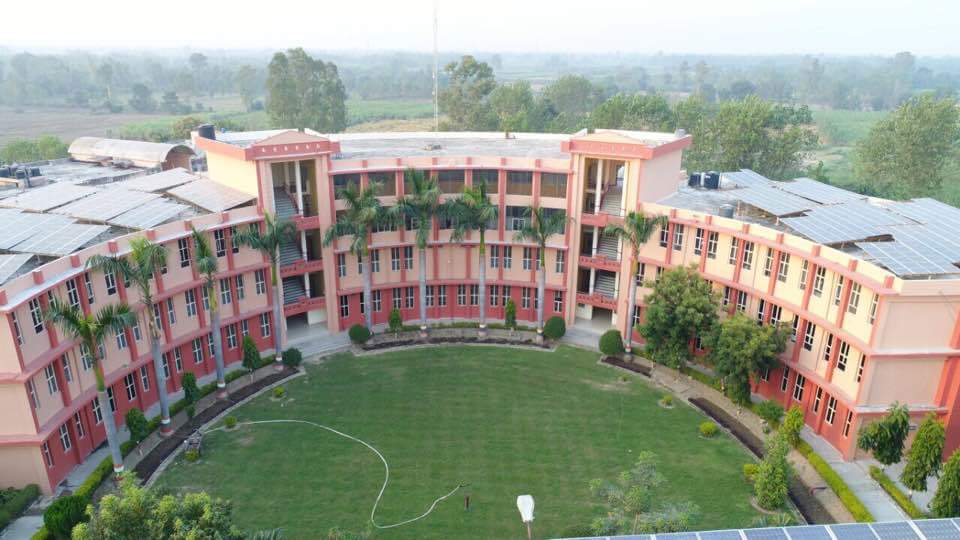
Introduction about Ph.D. in Environmental Science at Shobhit University
In an era where the global community is grappling with the unprecedented challenges of climate change, resource depletion, and ecological imbalance, the pursuit of advanced knowledge in Environmental Science has become more critical than ever. A Ph.D. in Environmental Science at Shobhit University is not just an academic milestone; it is a profound commitment to understanding and preserving the delicate harmony of our planet. Shobhit University, recognized for its research-centric approach and commitment to innovation, provides a robust platform for professionals and scholars to delve deep into the complexities of ecological systems. The program is designed to inspire the next generation of environmental leaders who can bridge the gap between scientific discovery and sustainable policy-making. By choosing Shobhit University, you are stepping into a vibrant intellectual community that encourages interdisciplinary research, critical thinking, and the application of technology to solve real-world environmental problems. This doctoral journey empowers you to contribute original research that can influence global environmental agendas and pave the way for a greener, more sustainable future.
Ph.D Admission 2026-2027 & Writing Support Services by Shiksha Research
Eligibility Criteria for Ph.D. in Environmental Science at Shobhit University
To embark on the transformative journey of a Ph.D. in Environmental Science at Shobhit University, candidates must fulfill specific academic prerequisites designed to ensure they possess the foundational knowledge required for rigorous research. The eligibility criteria are aligned with the University Grants Commission (UGC) regulations, ensuring high academic standards. Ideally, candidates should hold a Master?s degree in Environmental Science, Ecology, Natural Resource Management, or a related discipline such as Life Sciences, Biotechnology, Chemistry, or Earth Sciences from a recognized university. A minimum aggregate of 55% marks (or an equivalent grade) is typically required at the postgraduate level. For professionals belonging to SC/ST/OBC (non-creamy layer) or differently-abled categories, a relaxation of 5% is often provided as per government norms. Beyond the numerical qualifications, the university looks for individuals with a passion for environmental advocacy and a clear vision for their research contribution.
Entrance Exam for Ph.D. in Environmental Science at Shobhit University
The gateway to the doctoral program at Shobhit University is the Shobhit University Entrance Test (SUET) for Ph.D., which evaluates the candidate's research aptitude and subject-specific expertise. The entrance exam is divided into two sections: Research Methodology and Environmental Science core subjects. This comprehensive assessment ensures that only the most dedicated and prepared candidates proceed to the next stage. However, Shobhit University values the achievements of scholars who have already cleared national-level examinations. Candidates who have qualified for UGC-NET (including JRF), CSIR-NET, GATE, or SLET are generally exempted from the university's entrance test and can proceed directly to the interview round. This exemption honors the academic rigor these students have already demonstrated. The interview phase is a critical component where candidates discuss their research interests with a panel of experts, highlighting their potential to contribute meaningfully to the field.
Fee Structure for Ph.D. in Environmental Science at Shobhit University
Investing in a Ph.D. is an investment in your future and the future of the planet. Shobhit University offers a transparent and competitive fee structure designed to support long-term research without financial ambiguity. Below is an indicative breakdown of the fee components for the Ph.D. program in Environmental Science:
| Fee Component | Category | Approximate Amount (INR) |
|---|---|---|
| Application & Registration Fee | One-time | ?2,100 - ?5,000 |
| Coursework Fee | First Semester | ?10,000 - ?15,000 |
| Annual Tuition Fee | Per Annum | ?50,000 - ?80,000 |
| Examination Fee | Per Semester | ?2,000 - ?5,000 |
| Thesis Submission Fee | Final Year | ?15,000 - ?20,000 |
| Caution Money | Refundable | ?5,000 - ?10,000 |
Note: The fee structure is subject to change based on university policy and specific laboratory requirements. Candidates are advised to consult the official prospectus for the most current figures.
Admission Process for Ph.D. in Environmental Science at Shobhit University
The admission process at Shobhit University is designed to identify individuals with the greatest potential for advanced scientific inquiry. It begins with the release of the official admission notification, usually published on the university's website and in leading newspapers. Prospective students must first complete the online application form and upload the necessary credentials. Following the screening of applications, eligible candidates are invited for the SUET (Entrance Test). Those who clear the test, along with NET-qualified applicants, move on to the interview and presentation stage. During this stage, candidates are expected to present their research interest areas. This is a crucial time for professionals to clarify their goals; many choose to consult Thesis and Dissertation Writing Services to refine their research proposals before the final committee review. Once the final selection list is published, candidates undergo document verification and pay the requisite fees to secure their admission.
Ph.D. Subjects and Specializations in Environmental Science at Shobhit University
Shobhit University offers a diverse range of subjects and specializations within Environmental Science, allowing researchers to tailor their studies to their specific interests and career goals. The curriculum is built on a foundation of "Core Subjects" like Ecology, Environmental Chemistry, and Atmospheric Science, followed by deep dives into specialized niches. Some of the popular specializations include:
- Sustainability and Green Technology: Focusing on renewable energy and eco-friendly industrial practices.
- Waste Management and Circular Economy: researching innovative ways to recycle and manage urban and industrial waste.
- Biodiversity Conservation: Concentrating on the protection of endangered species and ecosystem restoration.
- Climate Change and Mitigation: Studying global warming patterns and carbon sequestration.
- Environmental Ecotoxicology: Examining the impact of pollutants on biological organisms.
Research Areas in Environmental Science at Shobhit University
Research at Shobhit University is inherently problem-solving-oriented. The university encourages scholars to tackle pressing environmental issues through rigorous laboratory analysis and field studies. Key research areas currently being explored include Hydro-geological modeling, Air Quality Forecasting, Soil Degradation in agricultural belts, and Urban Heat Island effects. The university provides state-of-the-art laboratory facilities and access to vast digital libraries to support these endeavors. In the pursuit of academic excellence, many researchers collaborate with interdisciplinary departments to use Research Data Analysis Services for interpreting complex datasets, such as satellite imagery or multi-variate ecological trends. This ensures that the conclusions drawn are statistically sound and contribute meaningfully to the scientific community.
Documents Required for Ph.D. in Environmental Science at Shobhit University
Preparation is key to a smooth admission process. Candidates must ensure they have the following documents ready for submission and verification:
- High School and Intermediate Certificates (Original and Photocopy).
- Bachelor?s and Master?s Degree Marksheets and Certificates.
- Valid Scorecard of Entrance Exams (NET/GATE/SLET, if applicable).
- A comprehensive Research Proposal (Synopsis) outlining the intended area of study.
- Character Certificate from the last attended institution.
- No Objection Certificate (NOC) from the current employer for working professionals.
- Passport-sized photographs and a valid Government ID (Aadhar/Passport).
- Migration and Transfer Certificates.
Shobhit University Ph.D. Syllabus for Environmental Science
The Ph.D. syllabus at Shobhit University is structured into two main phases: the Pre-Ph.D. Coursework and the Thesis Research phase. The coursework, typically lasting six months to a year, is mandatory for all students and covers:
- Research Methodology: Techniques of scientific writing, research ethics, and experimental design.
- Computer Applications: Utilizing software for environmental modeling and statistical computation.
- Advanced Environmental Science: Current trends in global environmental policy and emerging pollutants.
- Review of Literature: Crating a solid background for the chosen research topic.
How To Apply for Ph.D. in Environmental Science at Shobhit University
Applying for a Ph.D. at Shobhit University is a straightforward process:
- Online Registration: Visit the official Shobhit University website and navigate to the Ph.D. admissions section.
- Fill out the Application: Complete the personal, academic, and professional details in the application portal.
- Upload Documents: Securely upload scanned copies of your transcripts and certificates.
- Pay the Application Fee: Use the online payment gateway (Credit/Debit Card/Net Banking) to submit the processing fee.
- Submit Research Summary: Provide a brief write-up of your proposed research theme.
- Download Admit Card: After registration, download the admit card for the SUET if not exempted.
- Participate in Interview: Attend the personal interview session as per the scheduled slot.
Career Scope and Job Opportunities After Ph.D. in Environmental Science from Shobhit University
The career trajectory for a Ph.D. holder in Environmental Science is both diverse and rewarding. In an age of corporate social responsibility (CSR) and ESG (Environmental, Social, and Governance) investing, professionals with doctoral degrees are in high demand across multiple sectors. Graduates can find fulfilling careers as:
- Environmental Consultants: Advising firms on compliance, sustainability, and impact assessment.
- Research Scientists: Working in national laboratories (like NEERI, ICFRE) or international organizations (UNEP, WHO).
- University Professors: Shaping the minds of future scientists in academia.
- Sustainability Managers: Leading green initiatives in multinational corporations.
- Policy Analysts: Helping governments design effective environmental laws and urban planning strategies.
Scholarship for Ph.D. in Environmental Science at Shobhit University
Shobhit University believes that financial constraints should never hinder academic excellence. To support deserving candidates, the university offers various scholarship opportunities. Merit-based scholarships are available for students who performed exceptionally well in their postgraduate studies or the SUET. Additionally, candidates who have secured JRF through UGC/CSIR receive stipends directly from the government bodies. The university also offers teaching assistantships, where doctoral students can assist in undergraduate courses in exchange for a fee waiver or a monthly stipend. Furthermore, research projects funded by organizations like the Department of Science and Technology (DST) or the Ministry of Environment often provide fellowships for Ph.D. scholars working on specific project goals.
FAQs Regarding Ph.D. in Environmental Science at Shobhit University
1. Can I pursue a Ph.D. in Environmental Science while working?
Yes, Shobhit University offers flexibility for working professionals, provided they can complete the mandatory coursework and obtain an NOC from their employer.
2. Is Shobhit University's Ph.D. degree UGC-recognized?
Absolutely. Shobhit University is a recognized institution, and its Ph.D. programs adhere to the guidelines set by the University Grants Commission.
3. How long does it take to complete the Ph.D. program?
The duration is typically a minimum of three years and a maximum of six years, including the coursework.
4. Do I need a background in science to apply?
While a background in science is preferred, candidates with degrees in Engineering, Geography, or Agriculture that have an environmental focus are also encouraged to apply.
By choosing Shobhit University for your Ph.D. in Environmental Science, you are not just getting a degree; you are becoming part of a global movement to protect our planet through rigorous science and innovative research.








