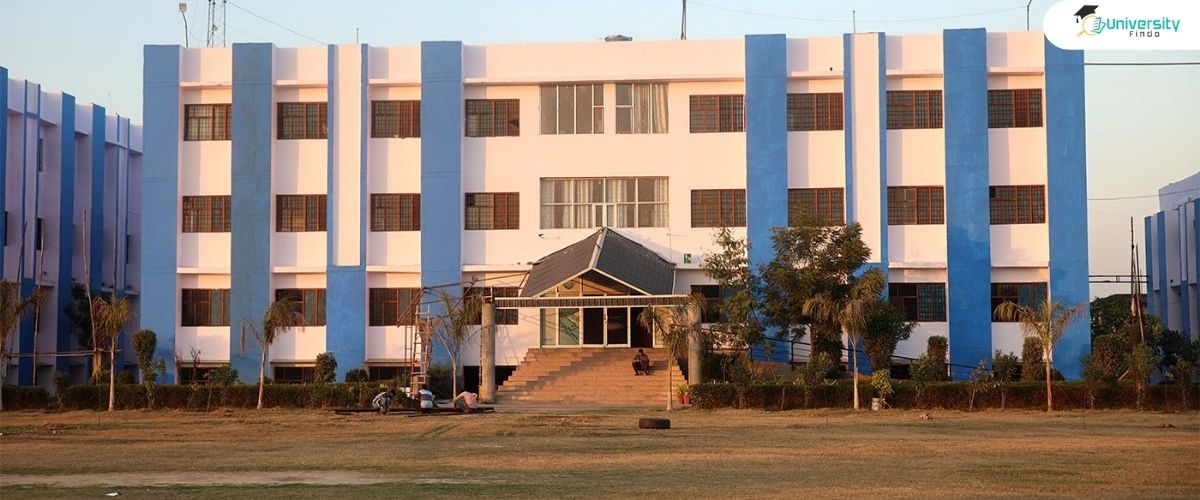
Ph.D. in Environmental Science at Sun Rise University
Introduction about Ph.D. in Environmental Science at Sun Rise University
Sun Rise University has emerged as a leading hub for advanced research in sustainability, climate change, and ecosystem management. The Ph.D. in Environmental Science is designed for professionals who aspire to become thought‑leaders, policy advisors, and innovators in the global environmental sector. This doctoral program blends rigorous coursework, cutting‑edge laboratory work, and extensive field research to equip candidates with the analytical tools required to address complex ecological challenges.
Eligibility Criteria for Ph.D. in Environmental Science at Sun Rise University
- Master’s degree (M.Sc., M.Tech., or equivalent) in Environmental Science, Ecology, Geosciences, or a closely related discipline with a minimum of 55% aggregate.
- Qualified GATE/NET/CSIR score (optional but preferred) or an equivalent national-level examination.
- Minimum two years of professional experience in environmental consultancy, research organizations, NGOs, or industry is advantageous.
- Proficiency in English (IELTS/TOEFL score of 6.0 or higher for international candidates).
Entrance Exam for Ph.D. in Environmental Science at Sun Rise University
Candidates without a valid national‑level score are required to appear for the Sun Rise University Ph.D. Entrance Test (SRU‑PET). The exam evaluates:
- Core knowledge of environmental science concepts.
- Research methodology and statistical analysis.
- Critical thinking and problem‑solving skills through case‑study based questions.
The test is conducted twice a year (June & December) at designated centers across the country. Successful candidates are invited for a personal interview and a statement of purpose (SOP) review.
Fee Structure for Ph.D. in Environmental Science at Sun Rise University
| Component | Annual Fee (INR) | Notes |
|---|---|---|
| Tuition & Lab Charges | 85,000 | Includes access to all research labs and library resources. |
| Research & Fieldwork Expenses | 30,000 | Covering travel, sampling kits, and GIS software licenses. |
| Administrative & Examination Fees | 12,500 | One‑time fee payable at admission. |
| Annual Scholarship Deduction (eligible candidates) | -15,000 | Based on merit and research proposal quality. |
| Total Approximate Cost | 112,500 | Subject to yearly revision. |
Admission Process for Ph.D. in Environmental Science at Sun Rise University
- Online Application: Complete the web‑based form on the university portal, upload academic transcripts, proof of identity, and a 500‑word research proposal.
- Entrance Examination: Appear for SRU‑PET (if required) and receive the score within 15 days.
- Interview & Presentation: Shortlisted candidates present their research ideas to the faculty panel.
- Final Selection: Admission offers are issued based on academic merit, research potential, and interview performance.
- Enrollment: Pay the initial fee, submit signed acceptance letter, and attend the orientation programme.
Ph.D. Subjects and Specializations in Environmental Science at Sun Rise University
The doctoral curriculum allows flexible specialization. Core subjects include:
- Advanced Ecological Modelling
- Climate Change Impact Assessment
- Environmental Toxicology
- Renewable Energy Systems
- Water Resources Management
- Urban Sustainability & Smart Cities
- Geospatial Analysis & Remote Sensing
Research Areas in Environmental Science at Sun Rise University
Faculty‑guided research clusters focus on high‑impact domains:
- Carbon Sequestration and Greenhouse Gas Mitigation
- Bioremediation of Contaminated Sites
- Climate‑Resilient Agriculture
- Integrated Waste Management
- Air Quality Monitoring using IoT Sensors
- Ecosystem Services Valuation
- Policy Design for Sustainable Development Goals (SDGs)
Documents Required for Ph.D. in Environmental Science at Sun Rise University
- Completed application form (online)
- Original and certified copies of academic certificates (B.Sc., M.Sc.)
- GATE/NET/CSIR scorecard (if applicable)
- Research proposal (max 1500 words)
- Two academic reference letters
- Curriculum Vitae with publications listed
- Passport‑size photographs
- Proof of identity (Aadhaar/Passport)
Sun Rise University Ph.D. Syllabus for Environmental Science
The syllabus is divided into three phases: Core Coursework, Research Methodology, and Dissertation. Core courses cover:
- Statistical Techniques for Environmental Data
- Advanced GIS & Remote Sensing
- Environmental Law and Ethics
- Renewable Energy Technologies
- Quantitative Risk Assessment
The methodology segment includes workshops on Research Data Analysis Services, scientific writing, and project management. The final dissertation must contribute original knowledge to one of the identified research areas.
How To Apply for Ph.D. in Environmental Science at Sun Rise University
Follow these steps to submit a successful application:
- Visit the official Sun Rise University admissions portal.
- Register using a valid email address and create a password.
- Fill in personal details, academic history, and upload scanned copies of documents.
- Draft a concise research proposal highlighting problem statement, objectives, and expected outcomes.
- Pay the non‑refundable application fee of INR 2,500 via net banking or UPI.
- Submit the application and note the reference number for future correspondence.
Career Scope and Job Opportunities After Ph.D. in Environmental Science from Sun Rise University
Graduates emerge as experts capable of shaping environmental policy, leading corporate sustainability divisions, and directing large‑scale research projects. Potential career paths include:
- Senior Environmental Scientist – Government agencies (Ministry of Environment, EPA)
- Chief Sustainability Officer – Multinational corporations
- Research Fellow / Principal Investigator – National labs and international NGOs
- University Professor / Lecturer – Academic institutions worldwide
- Climate Policy Analyst – Think‑tanks and intergovernmental bodies
- Consultant – Renewable energy and waste management firms
The average salary for Ph.D. holders ranges from INR 12 Lakhs to INR 25 Lakhs per annum, with higher remuneration in private sector and international organizations.
Scholarship for Ph.D. in Environmental Science at Sun Rise University
Sun Rise University offers a range of merit‑based scholarships and research grants:
- Merit Scholarship: Up to 30% tuition waiver for candidates with a CGPA above 8.0.
- Research Grant: INR 1,00,000 annually for field‑based projects aligned with university’s sustainability agenda.
- Industry Sponsored Fellowship: Collaboration with leading environmental consultancies providing stipends and project funding.
- Government Fellowship: Eligibility for UGC‑JRF and CSIR‑SRF based on national exam performance.
Applicants are encouraged to explore Thesis and Dissertation Writing Services for assistance in preparing high‑quality dissertations that meet scholarship criteria.
FAQs Regarding Ph.D. in Environmental Science at Sun Rise University
- What is the minimum duration of the Ph.D. program?
- The standard duration is 3 years for full‑time candidates; part‑time candidates may take up to 5 years.
- Can I pursue the Ph.D. part‑time while working?
- Yes, Sun Rise University offers flexible part‑time enrollment for working professionals, provided they meet the research supervision requirements.
- Is there a provision for overseas students?
- International applicants are admitted on the same criteria, with additional English proficiency requirements and a higher tuition fee of INR 150,000 per annum.
- How many publications are required before submission of the thesis?
- At least two peer‑reviewed journal articles (or one journal article plus one conference paper) are expected before thesis submission.
- Are there opportunities for interdisciplinary research?
- Absolutely. The university encourages collaboration with departments such as Engineering, Public Policy, and Business Management, especially on sustainability projects.
- What support is available for data analysis?
- Students have access to dedicated labs and can








