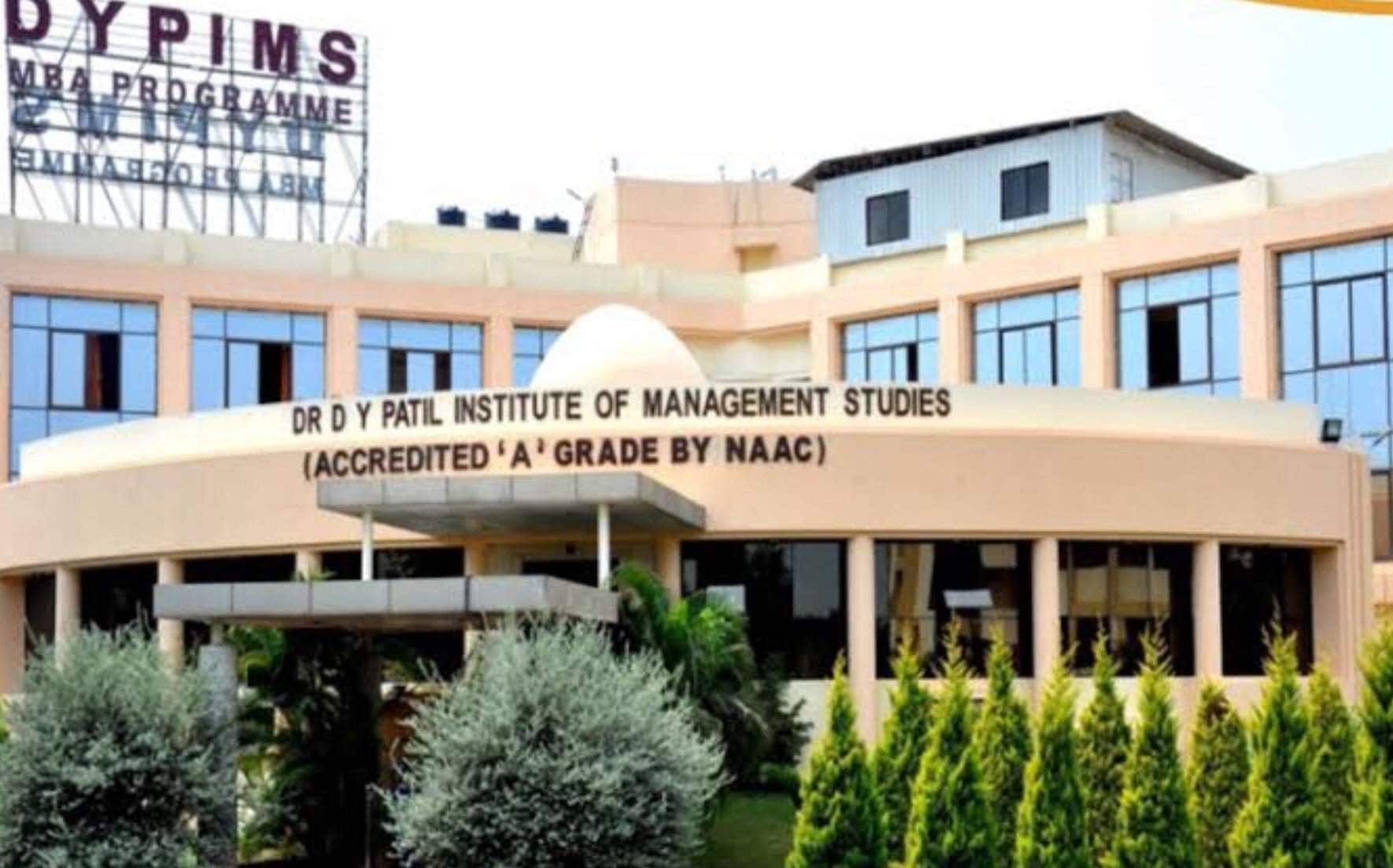
Ph.D. in Fine Arts from Padmashree Dr. D. Y. Patil Vidyapeeth
Introduction about Ph.D. in Fine Arts at Padmashree Dr. D. Y. Patil Vidyapeeth
The Doctor of Philosophy in Fine Arts offered by Padmashree Dr. D. Y. Patil Vidyapeeth stands as a beacon for aspiring scholars who wish to blend creativity with rigorous academic research. Designed for professionals, artists, and academicians, this program nurtures advanced theoretical insights and practical expertise across visual, performing, and applied arts. With a curriculum aligned to global standards and a vibrant campus culture, candidates gain the tools to shape contemporary artistic discourse, influence cultural policy, and lead transformative projects worldwide.
Eligibility Criteria for Ph.D. in Fine Arts at Padmashree Dr. D. Y. Patil Vidyapeeth
- Master’s degree (M.A., M.F.A., M.Phil.) in Fine Arts or a closely related discipline with a minimum of 55% aggregate.
- Clearance of the university‑conducted entrance test or national level test such as UGC NET/JRF.
- For candidates with a professional doctorate (e.g., Ph.D. in Art History), a minimum of 3 years of research experience is preferred.
- Candidates must possess a valid scorecard of any recognized English proficiency test if their medium of instruction was not English.
Entrance Exam for Ph.D. in Fine Arts at Padmashree Dr. D. Y. Patil Vidyapeeth
The entrance examination evaluates both theoretical knowledge and research aptitude. The test comprises:
- Paper‑I (Objective): 100 marks covering art theory, history, aesthetics, and research methodology.
- Paper‑II (Descriptive): 50 marks assessing critical analysis, essay writing, and a proposal abstract.
- Interview & VIVA: 30 marks to gauge the candidate’s research vision, communication skills, and alignment with faculty expertise.
Preparation resources include previous year question papers, recommended reading lists, and workshops organized by the Department of Fine Arts.
Fee Structure for Ph.D. in Fine Arts at Padmashree Dr. D. Y. Patil Vidyapeeth
| Fee Component | Amount (INR) | Notes |
|---|---|---|
| Application & Registration | 5,000 | One‑time, non‑refundable |
| Entrance Examination | 2,500 | Includes processing and evaluation |
| Annual Tuition Fee | 45,000 | Payable at the start of each academic year |
| Library & Lab Charges | 3,000 | Access to digital archives, studios, and research labs |
| Miscellaneous (Seminars, Workshops) | 2,000 | Estimated per year |
| Total (Approx.) | 57,500 per year | Excluding scholarships and waivers |
Admission Process for Ph.D. in Fine Arts at Padmashree Dr. D. Y. Patil Vidyapeeth
- Online Application: Fill the digital form on the university portal, upload scanned certificates, and pay the application fee.
- Document Verification: The admissions office validates academic transcripts, entrance test scorecards, and identity proof.
- Entrance Test & Interview: Appear for the written test followed by a personal interview with the faculty panel.
- Provisional Admission Letter: Issued to successful candidates pending final document verification.
- Enrollment: Complete fee payment, submit original documents, and register for the first semester.
Ph.D. Subjects and Specializations in Fine Arts at Padmashree Dr. D. Y. Patil Vidyapeeth
- Visual Arts & Contemporary Practices
- Art History & Criticism
- Performing Arts (Dance, Drama, Music)
- Applied Arts & Design Theory
- Digital Media & New Media Art
- Cultural Heritage Conservation
Research Areas in Fine Arts at Padmashree Dr. D. Y. Patil Vidyapeeth
Faculty members guide research across a spectrum of cutting‑edge topics, including:
- Postcolonial visual culture and identity formation.
- Intersections of technology and traditional craft.
- Urban public art interventions and community engagement.
- Performance theory in contemporary Indian theatre.
- Preservation strategies for mural and fresco heritage.
- Artistic responses to climate change and sustainability.
Documents Required for Ph.D. in Fine Arts at Padmashree Dr. D. Y. Patil Vidyapeeth
| Document | Format | Remarks |
|---|---|---|
| Completed Application Form | Uploaded via portal | |
| Master’s Degree Certificate & Mark Sheet | Scanned PDF (Original to be shown later) | Minimum 55% aggregate |
| Entrance Exam Score Card | UGC NET/JRF/University Test | |
| Research Proposal (2,000 words) | DOCX or PDF | Includes objectives, methodology, and literature review |
| Curriculum Vitae | Highlight publications, exhibitions, and projects | |
| Identity Proof (Aadhaar/Passport) | Valid government ID | |
| Photographs (Passport Size) | JPEG/PNG | Two recent color photos |
Padmashree Dr. D. Y. Patil Vidyapeeth Ph.D. Syllabus for Fine Arts
The syllabus is designed to develop a scholarly foundation while fostering creative investigation. Core modules include:
- Research Methodology in Fine Arts
- Advanced Aesthetics and Theory
- Critical Writing and Publication Ethics
- Digital Archiving and Documentation
- Seminar Series: Contemporary Art Practices
- Thesis Development Workshop (Quarterly)
Elective courses are offered based on faculty expertise and student research interests, allowing for interdisciplinary exploration.
How To Apply for Ph.D. in Fine Arts at Padmashree Dr. D. Y. Patil Vidyapeeth
Prospective candidates should follow these steps:
- Visit the official university admissions portal and create a user account.
- Enter personal and academic details, then upload the required documents.
- Pay the non‑refundable application fee through net banking or UPI.
- Schedule the entrance examination date and download the admit card.
- After the test, monitor the portal for interview invites and further instructions.
- Upon selection, complete the enrollment formalities within the stipulated deadline.
Career Scope and Job Opportunities After Ph.D. in Fine Arts from Padmashree Dr. D. Y. Patil Vidyapeeth
A doctorate in Fine Arts opens a broad spectrum of professional avenues:
- Academic Positions: Assistant Professor, Associate Professor, or Dean in universities and art colleges.
- Research Fellowships: Grants from cultural councils, NGOs, and international art foundations.
- Curatorial & Museum Leadership: Senior curator, collections manager, or director of cultural institutions.
- Policy & Advisory Roles: Cultural policy analyst for government agencies or international bodies like UNESCO.
- Creative Entrepreneurship: Founder of art studios, galleries, or digital content platforms.
- Consultancy: Art market analyst, heritage conservation consultant, or media production advisor.
Alumni have successfully published monographs, led international exhibitions, and contributed to groundbreaking interdisciplinary research.
Scholarship for Ph.D. in Fine Arts at Padmashree Dr. D. Y. Patil Vidyapeeth
The university provides merit‑based and need‑based scholarships covering tuition, stipends, and research expenses. Eligibility is determined by academic performance, published work, and socioeconomic criteria. Additionally, external scholarships such as the Thesis and Dissertation Writing Services grant, the Research Data Analysis Services fellowship, the Research Paper Writing Services award, and the Questionnaire Design and Development grant are recognized and often co‑funded for promising candidates.
FAQs Regarding Ph.D. in Fine Arts at Padmashree Dr. D. Y. Patil Vidyapeeth
- Q1: Is work experience mandatory for admission?
- A: While not mandatory, relevant professional experience in galleries, studios, or cultural organisations strengthens the application.
- Q2: Can I pursue the Ph.D. part‑time?
- A: Yes, the university offers a part‑time mode for working professionals with an extended duration of up to six years.
- Q3: What is the typical duration of the program?
- A: Full‑time candidates usually complete the doctorate within three years; part‑time candidates may take up to six years.
- Q4: Are there language requirements?
- A: All coursework and thesis submission must be in English; however, regional language research is permitted with appropriate supervision.
- Q5: How is the thesis evaluated?
- A: The thesis undergoes internal review by two faculty members, followed by an external examiner’s assessment and a viva‑voce defense.








