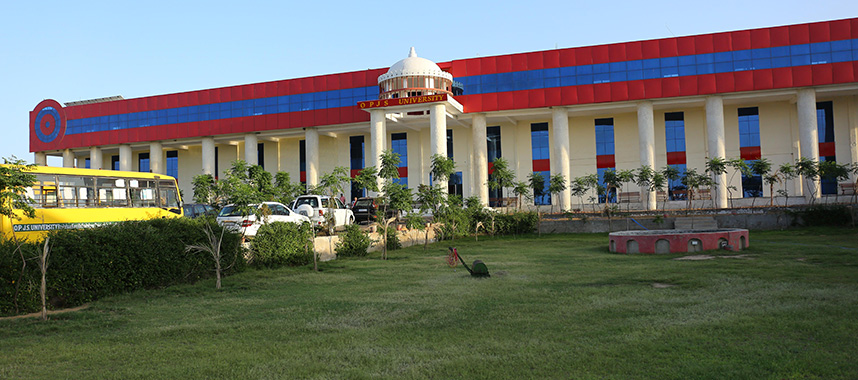
Introduction about Ph.D. in Food And Nutrition at OPJS University
The Doctor of Philosophy (Ph.D.) in Food and Nutrition at OPJS University stands as a beacon for professionals seeking to lead transformative research in food science, public health, and nutritional therapy. Designed for scholars with a passion for evidence‑based solutions, this programme equips you with advanced analytical skills, interdisciplinary knowledge, and the ability to influence policy and industry practices worldwide.
Whether you aim to develop functional foods, address malnutrition, or pioneer sustainable food systems, OPJS University offers a nurturing academic environment backed by state‑of‑the‑art laboratories, seasoned faculty, and strong industry collaborations.
Ph.D Admission 2026-2027 & Writing Support Services by Shiksha Research
Eligibility Criteria for Ph.D. in Food And Nutrition at OPJS University
- Master’s degree (M.Sc., M.Phil., or equivalent) in Food Science, Nutrition, Dietetics, Biochemistry, Public Health, or a related discipline with a minimum of 55% aggregate.
- Valid GATE, UGC‑NET, or equivalent national level test scores are preferred but not mandatory.
- Research proposal outlining the intended area of study, approved by the department.
- Minimum of two years of professional experience in research, industry, or academia adds a competitive edge.
Entrance Exam for Ph.D. in Food And Nutrition at OPJS University
OPJS University conducts its own entrance examination to assess the candidate’s foundational knowledge and research aptitude. The exam comprises:
- Written Test (100 marks): Objective and descriptive questions covering core subjects such as Food Chemistry, Human Nutrition, Biostatistics, and Research Methodology.
- Interview (50 marks): Evaluation of the research proposal, communication skills, and alignment with faculty expertise.
Applicants may also be exempted from the written test if they possess a valid GATE/UGC‑NET score with a minimum of 60% qualification.
Fee Structure for Ph.D. in Food And Nutrition at OPJS University
| Fee Component | Amount (INR) |
|---|---|
| Application & Registration Fee | 2,500 |
| Entrance Examination Fee | 3,000 |
| Annual Tuition & Laboratory Charges | 45,000 |
| Library & Resource Access | 5,000 |
| Miscellaneous (Internet, Sports, etc.) | 2,500 |
| Total (Per Year) | 58,000 |
Note: Scholarships and research grants can significantly offset these costs.
Admission Process for Ph.D. in Food And Nutrition at OPJS University
- Online Application Submission through the university portal.
- Upload of academic transcripts, research proposal, and two letters of recommendation.
- Payment of the application fee.
- Screening of applications and shortlisting for the entrance exam.
- Conduct of written test and subsequent interview.
- Final selection based on combined scores and proposal merit.
- Issuance of admission letter and enrollment in the first semester.
Ph.D. Subjects and Specializations in Food And Nutrition at OPJS University
Students can tailor their doctoral journey by selecting from a range of specializations, including:
- Functional Foods and Nutraceuticals
- Food Safety and Quality Assurance
- Clinical Nutrition and Diet Therapy
- Public Health Nutrition
- Food Bioprocess Engineering
- Community Nutrition and Food Security
- Metabolomics and Foodomics
Research Areas in Food And Nutrition at OPJS University
OPJS University encourages interdisciplinary research that addresses global challenges. Prominent research themes include:
- Impact of dietary patterns on chronic diseases.
- Development of plant‑based protein alternatives.
- Nanotechnologies for food preservation.
- Bioavailability of micronutrients in fortified foods.
- Nutrition interventions in low‑income communities.
- Climate‑responsive food production systems.
- Digital health tools for personalized nutrition.
Documents Required for Ph.D. in Food And Nutrition at OPJS University
| Document | Details |
|---|---|
| Academic Transcripts | Certified copies of Bachelor’s and Master’s degrees. |
| Research Proposal | 2‑3 page document outlining objectives, methodology, and expected outcomes. |
| Letters of Recommendation | Two letters from academic mentors or industry supervisors. |
| Curriculum Vitae (CV) | Professional CV highlighting research experience, publications, and awards. |
| Proof of Identity | Aadhaar card, passport, or driving license. |
| Entrance Exam Scorecard (if applicable) | GATE, UGC‑NET, or OPJS University entrance test score. |
OPJS University Ph.D. Syllabus for Food And Nutrition
The doctoral syllabus is structured into three major phases:
- Core Coursework (Year 1): Advanced Food Chemistry, Research Methodology, Biostatistics, and Ethics in Research.
- Specialized Modules (Year 2): Choose two electives aligned with your specialization, such as Functional Food Development or Nutritional Epidemiology.
- Dissertation Research (Years 2‑4): Original research, data collection, analysis, manuscript preparation, and defense.
Students receive continuous guidance from a supervisory committee and access to cutting‑edge laboratory facilities.
How To Apply for Ph.D. in Food And Nutrition at OPJS University
Follow these steps to submit a successful application:
- Visit the official OPJS University Ph.D. admissions portal and create an account.
- Fill in the online application form with personal, academic, and professional details.
- Upload scanned copies of all required documents (as listed in the Documents Required section).
- Pay the non‑refundable application fee via net banking or credit card.
- Submit the application and note the reference number for future correspondence.
- Prepare for the entrance exam by reviewing past question papers and attending the university’s pre‑test webinars.
- After clearing the exam and interview, accept the admission offer and complete the enrollment formalities.
Career Scope and Job Opportunities After Ph.D. in Food And Nutrition from OPJS University
Graduates emerge as thought leaders capable of influencing academia, industry, and policy. Typical career trajectories include:
- Senior Research Scientist in food processing or nutrition companies.
- Professor or Associate Professor in leading universities and research institutes.
- Policy Analyst or Advisor for government health ministries and international organizations (WHO, FAO).
- Chief Nutrition Officer in hospitals, wellness centers, or corporate wellness programs.
- Entrepreneur launching start‑ups focused on functional foods, dietary supplements, or health‑tech platforms.
- Consultant for NGOs working on food security and community nutrition.
OPJS University’s strong industry ties and alumni network ensure a steady pipeline of high‑impact opportunities.
Scholarship for Ph.D. in Food And Nutrition at OPJS University
Merit‑based scholarships covering up to 80% of tuition fees are available for top‑ranked candidates. Additional financial aid includes:
- Research Assistantships (RA) offering stipends of INR 18,000–25,000 per month.
- Teaching Assistantships (TA) with tuition waivers and monthly honoraria.
- External fellowships such as the CSIR‑JRF and UGC‑NET scholarships.
Applicants are encouraged to explore the university scholarships portal and apply concurrently with their admission request.
FAQs Regarding Ph.D. in Food And Nutrition at OPJS University
- What is the minimum duration to complete the Ph.D. program?
- The standard duration is four years, but exceptional progress can lead to completion in three years.
- Is part‑time study allowed for working professionals?
- Yes, OPJS University offers a flexible part‑time mode, extending the program to six years with evening and weekend classes.
- Can I transfer credits from another recognized university?
- Credit transfer is evaluated on a case‑by‑case basis, focusing on course relevance and accreditation status.
- Are there collaborative research projects with industry?
- OPJS maintains active MoUs with leading food corporations, providing students with real‑world project opportunities.
- How does OPJS support publication in high‑impact journals?
- Students receive mentorship from faculty, access to manuscript editing services, and funding for open‑access publication fees.
For additional academic support, consider the following professional services:








