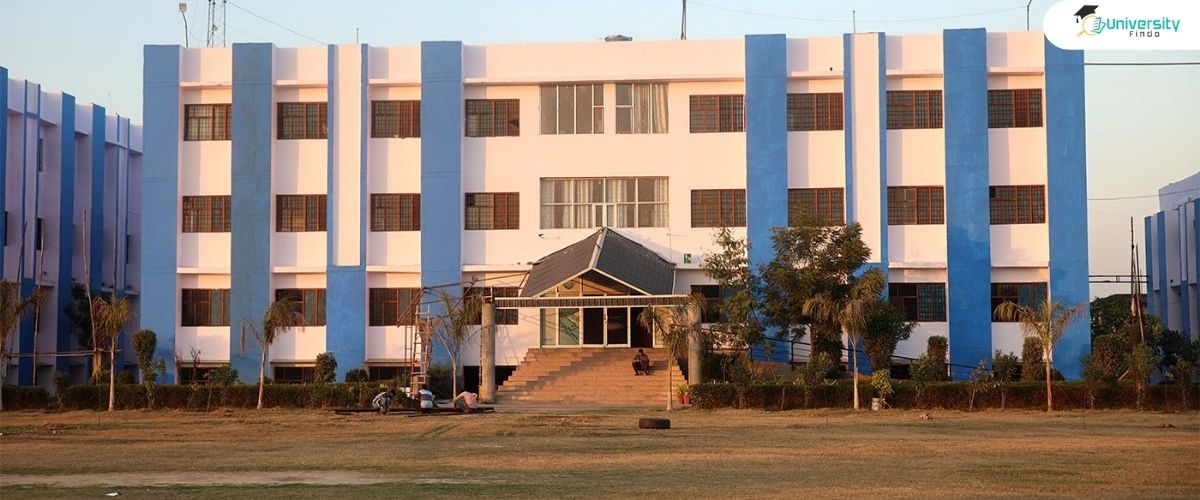
Ph.D. in Geology from Sun Rise University: Eligibility, Entrance Exam, Fee Structure, Admission Process, Subjects, Research Areas, Syllabus, Scholarship & Career Scope
Introduction about Ph.D. in Geology at Sun Rise University
Sun Rise University (SRU) has emerged as a premier destination for scholars aspiring to advance the frontiers of Earth sciences. The Ph.D. in Geology program blends rigorous coursework with cutting‑edge research, empowering professionals to address global challenges such as climate change, natural resource management, and geohazards. With state‑of‑the‑art laboratories, field stations across diverse terrains, and a faculty of internationally recognised experts, SRU nurtures innovators who shape sustainable policies and pioneering technologies.
Eligibility Criteria for Ph.D. in Geology at Sun Rise University
- Master’s degree (M.Sc./M.Tech) in Geology, Earth Sciences, Geophysics, or a closely related discipline with a minimum of 55% aggregate (or equivalent CGPA of 6.0/10).
- Valid GATE/CSIR‑NET score is preferred but not mandatory.
- Research proposal outlining the intended area of investigation, approved by a potential supervisor.
- For candidates with a B.Tech/M.Tech background, a minimum of 60% in the qualifying degree is required.
- Proficiency in English (IELTS 6.0 or TOEFL 80) for international applicants.
Entrance Exam for Ph.D. in Geology at Sun Rise University
SRU conducts its own entrance examination to evaluate analytical and research potential. The exam comprises three sections:
- General Aptitude – Quantitative ability, logical reasoning, and English comprehension.
- Core Geology – Topics include Mineralogy, Petrology, Sedimentology, Structural Geology, Geophysics, and Geochemistry.
- Research Methodology – Statistics, GIS, remote sensing, and scientific writing.
The written test is followed by a personal interview and a presentation of the research proposal. Candidates with a valid GATE/CSIR‑NET score are exempted from the written component and proceed directly to the interview stage.
Fee Structure for Ph.D. in Geology at Sun Rise University
| Component | Indian Residents (INR) | International Residents (USD) |
|---|---|---|
| Tuition & Laboratory Fees (per semester) | ₹25,000 | $1,200 |
| Research Project Grant (annual) | ₹50,000 (subsidised) | $2,500 (full) |
| Library & Digital Resource Access | ₹5,000 | $300 |
| Administrative & Examination Charges | ₹8,000 | $500 |
| Total Approx. Annual Cost | ₹88,000 | $4,500 |
Fees are payable at the beginning of each academic semester. Scholarships, research assistantships, and industry‑sponsored projects can significantly reduce the financial burden.
Admission Process for Ph.D. in Geology at Sun Rise University
- Online Application – Submit the application form through the SRU portal along with scanned copies of academic transcripts.
- Upload Research Proposal – Draft a concise 2‑page proposal highlighting objectives, methodology, and expected outcomes.
- Entrance Examination / Score Submission – Register for the SRU entrance test or upload a valid GATE/CSIR‑NET score.
- Interview & Presentation – Shortlisted candidates are invited for a virtual or on‑campus interview.
- Final Selection & Admission Letter – Successful applicants receive an official offer letter and guidance on fee payment.
- Enrollment & Orientation – Attend the mandatory induction programme before commencing coursework.
Ph.D. Subjects and Specializations in Geology at Sun Rise University
Students can tailor their doctoral research to one of the following specializations:
- Petrology & Igneous Processes
- Sedimentology & Basin Analysis
- Structural Geology & Tectonics
- Geophysical Exploration & Seismology
- Hydrogeology & Water Resources
- Environmental Geochemistry & Contaminant Transport
- Remote Sensing, GIS & Spatial Modelling
- Planetary Geology & Astrogeoscience
Research Areas in Geology at Sun Rise University
SRU’s research ecosystem is anchored in interdisciplinary collaboration. Current focal areas include:
- Climate‑driven sediment dynamics in coastal basins.
- Carbon sequestration potential of crystalline rocks.
- Seismic hazard assessment for urban corridors.
- Geochemical fingerprinting of mining tailings.
- Advanced geophysical imaging for groundwater delineation.
- Impact of mining activities on geomorphology.
- Machine‑learning applications in mineral exploration.
- Comparative planetary geology – Moon, Mars, and beyond.
Documents Required for Ph.D. in Geology at Sun Rise University
| Document | Details / Format | Remarks |
|---|---|---|
| Academic Transcripts | Original & Certified copies of all semesters | Must be attested by the issuing university |
| Degree Certificates | Master’s & Bachelor’s degree certificates | English translation required if issued in another language |
| Research Proposal | 2‑page PDF, signed by the prospective supervisor | Include literature review and methodology |
| Entrance Exam Scorecard | GATE/CSIR‑NET or SRU entrance test | Valid for the current admission cycle |
| Curriculum Vitae (CV) | Maximum 3 pages, highlighting publications & projects | Professional format preferred |
| Letters of Recommendation | Two academic references (PDF) | From supervisors familiar with research potential |
| Proof of English Proficiency | IELTS/TOEFL (if applicable) | Only for non‑English medium graduates |
Sun Rise University Ph.D. Syllabus for Geology
The doctoral syllabus is structured into three phases:
- Core Coursework (Year 1) – Advanced topics in mineralogy, stratigraphy, geophysical methods, GIS, and research ethics.
- Comprehensive Examination (End of Year 1) – Written and oral tests evaluating depth of knowledge across core areas.
- Research & Thesis (Years 2‑4) – Independent research, periodic seminars, publication of at least two peer‑reviewed articles, and final dissertation defense.
How To Apply for Ph.D. in Geology at Sun Rise University
Follow these steps to submit a successful application:
- Visit the SRU Ph.D. Geology admission portal and create a user account.
- Complete the online application form, ensuring all mandatory fields are filled.
- Upload the required documents (see “Documents Required” section).
- Pay the non‑refundable application fee of ₹2,500 (or $80 for internationals).
- Schedule the entrance exam date or upload existing GATE/CSIR‑NET score.
- Submit the application and note the reference number for future correspondence.
Career Scope and Job Opportunities After Ph.D. in Geology from Sun Rise University
A doctorate from SRU opens doors across academia, industry, and government:
- Academic Positions – Assistant Professor, Research Fellow, Department Head.
- Research Institutes – Senior Scientist at CSIR‑NGP, Indian Institute of Technology, or international labs.
- Oil & Gas – Exploration geophysicist, reservoir characterisation specialist.
- Mining & Minerals – Geometallurgist, sustainability consultant.
- Environmental Agencies – Hydrogeologist, contaminant risk assessor.
- Data & Modelling Firms – GIS analyst, remote sensing specialist, AI‑driven geoscience modeler.
- Entrepreneurship – Start‑ups focusing on mineral exploration tech, climate‑risk platforms.
Average salary packages range from ₹8‑12 lakhs for research assistants to ₹25‑35 lakhs for senior industry roles, with senior academic positions exceeding ₹50 lakhs per annum.
Scholarship for Ph.D. in Geology at Sun Rise University
SRU offers merit‑based and need‑based scholarships to support high‑potential candidates:
- SRU Merit Fellowship – Full tuition waiver and a monthly stipend of ₹20,000 for the first two years.
- Government of India – INSPIRE Scholarship – ₹80,000 per annum for 3 years.</








