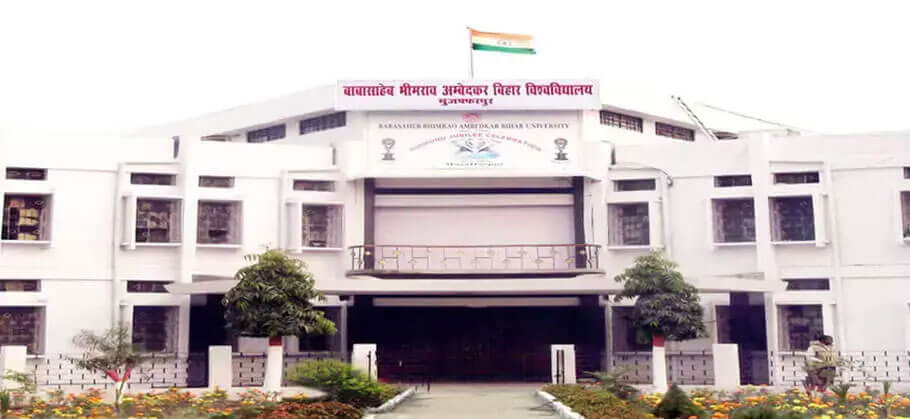
Ph.D. in History from Babasaheb Bhimrao Ambedkar University: Eligibility, Entrance Exam, Fee Structure, and Career Scope
Introduction about Ph.D. in History at Babasaheb Bhimrao Ambedkar University
Embarking on a journey to pursue a Ph.D. in History at Babasaheb Bhimrao Ambedkar University (BBAU) is more than an academic endeavor; it is a commitment to uncovering the layers of our collective past. BBAU, a prestigious central university, provides a vibrant intellectual ecosystem for scholars who are passionate about historiography and social transformation. By choosing this path, you immerse yourself in rigorous research methodologies that challenge mainstream narratives, contributing significantly to historical discourse. If you are preparing to map out your academic journey, our professional PhD Topic Selection and Proposal Assistance can ensure your research foundation is robust and impactful.
Eligibility Criteria for Ph.D. in History at Babasaheb Bhimrao Ambedkar University
To qualify for the Ph.D. program in History at BBAU, candidates must possess a Master?s degree in History or a closely related discipline from a recognized university. A minimum of 55% marks (or an equivalent grade) is typically required for General category candidates, with relaxations provided for SC/ST/OBC/PWD candidates as per UGC guidelines. Candidates who have qualified for UGC-NET (including JRF), SLET, or GATE are often exempted from the university entrance test, highlighting the importance of securing professional PhD Admission Assistance to navigate these specific entry requirements successfully.
Entrance Exam for Ph.D. in History at Babasaheb Bhimrao Ambedkar University
The university conducts an entrance examination, typically followed by an interview or viva voce. The test evaluates the candidate's grasp of historical research methodology, critical thinking, and subject-specific depth. Success in this exam is a gateway to one of the most intellectually stimulating environments in Northern India.
Fee Structure for Ph.D. in History at Babasaheb Bhimrao Ambedkar University
The fee structure at BBAU is designed to be accessible while maintaining high standards of research facilities. Below is a summarized overview of the approximate annual investment for the program.
| Fee Component | Estimated Amount (INR) |
|---|---|
| Registration/Admission Fee | 5,000 - 10,000 |
| Annual Tuition Fee | 15,000 - 25,000 |
| Library & Lab Charges | 5,000 |
| Thesis Submission Fee | 10,000 |
Admission Process for Ph.D. in History at Babasaheb Bhimrao Ambedkar University
The admission process involves a formal application through the university portal, followed by the entrance test and a departmental research committee (DRC) interview. Candidates are advised to prepare a stellar research proposal, which is a critical determinant during the selection process. If you require technical support for refining your manuscript, exploring our Editing and Proofreading Services can give you a competitive edge.
Ph.D. Subjects and Specializations in History at Babasaheb Bhimrao Ambedkar University
The curriculum covers a broad spectrum of historical inquiry, ranging from Ancient Indian History to Modern World History, with a specific focus on social justice movements. Specializations often include Subaltern Studies, Economic History, and Post-Colonial History.
Research Areas in History at Babasaheb Bhimrao Ambedkar University
Scholars are encouraged to explore innovative research niches. Key areas include Marginalized Communities, Gender Studies, History of Science and Technology in India, and Archival Studies. Once your research is complete, our Research Publication Support can help you reach global academic audiences.
Documents Required for Ph.D. in History at Babasaheb Bhimrao Ambedkar University
Prospective students must organize the following documents: Master?s degree mark sheets, Migration/Transfer Certificate, Caste Certificate (if applicable), Passport-sized photographs, and a detailed Research Proposal. For those focusing on unique research outcomes, we also provide Patent Filing and Support Services for interdisciplinary historical projects.
Babasaheb Bhimrao Ambedkar University Ph.D. Syllabus for History
The coursework typically spans one semester, focusing on Research Methodology, Historiography, Computer Applications in History, and an in-depth study of the specific chosen research area. This syllabus is crafted to build a strong theoretical framework for the doctoral dissertation.
How To Apply for Ph.D. in History at Babasaheb Bhimrao Ambedkar University
Applications are invited online via the official BBAU admission portal. Candidates should regularly check the "Admission" section of the website for notifications, guidelines, and deadlines. Precision in the application phase is key to ensuring your documents pass the scrutiny of the admission committee.
Career Scope and Job Opportunities After Ph.D. in History from Babasaheb Bhimrao Ambedkar University
A Ph.D. from BBAU opens doors to prestigious careers in academia, think tanks, museum curatorship, and archival management. Many scholars also transition into civil services, public policy advocacy, and heritage conservation. For those seeking professional recognition beyond standard academic paths, inquire about our Honorary Doctorate Programs for distinguished contributors to society.
Scholarship for Ph.D. in History at Babasaheb Bhimrao Ambedkar University
The University offers various fellowships, including the University Research Fellowship and UGC-JRF support for eligible candidates. These financial aids are instrumental in allowing scholars to focus entirely on their research, fostering a culture of excellence and intellectual freedom.
FAQs Regarding Ph.D. in History at Babasaheb Bhimrao Ambedkar University
Q: Is the entrance exam mandatory for everyone?
A: No, candidates with UGC-NET/JRF may be exempted from the entrance test depending on current BBAU ordinances.
Q: Can I pursue this Ph.D. on a part-time basis?
A: Regulations vary; it is best to consult the latest university admission notification for details regarding full-time vs. part-time research.
Q: How long does the program take to complete?
A: Typically, a Ph.D. is a 3 to 6-year journey, depending on the speed of research and thesis completion.








