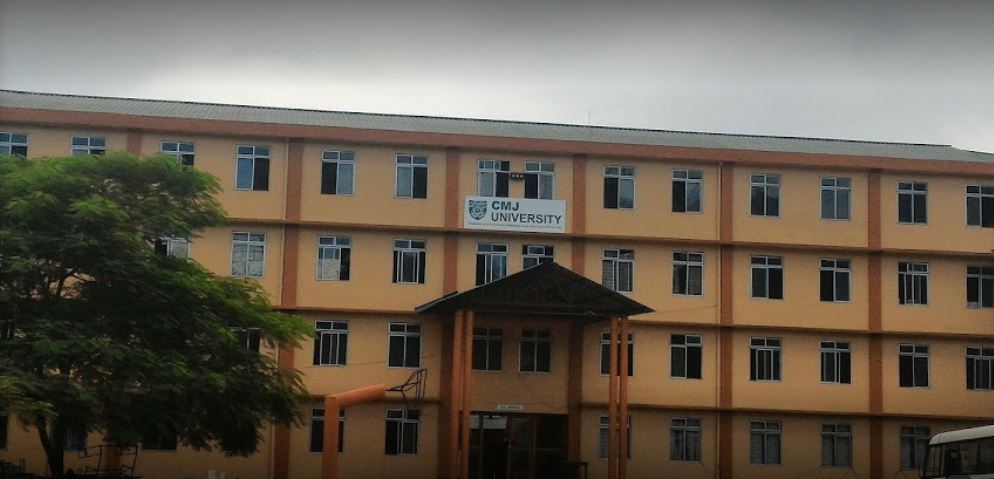
Ph.D. in History from CMJ University: Eligibility, Entrance Exam, Fee Structure, Admission Process, Subjects, Research Areas, Syllabus, Scholarship & Career Scope
Introduction about Ph.D. in History at CMJ University
Embarking on a doctoral journey in History at CMJ University opens a gateway to deep scholarly exploration of civilizations, cultures, and pivotal events that have shaped our world. Designed for professionals seeking to contribute original research, the program blends rigorous coursework with extensive fieldwork, encouraging candidates to reinterpret historical narratives through contemporary lenses. Whether your ambition is to become a university professor, a policy analyst, or a research consultant, CMJ University's Ph.D. in History equips you with critical thinking, methodological precision, and a profound appreciation for the past.
Eligibility Criteria for Ph.D. in History at CMJ University
Prospective candidates must meet the following minimum requirements:
- A Master’s degree (M.A.) in History or a closely related discipline with at least 55% aggregate (or equivalent CGPA).
- Recognized university certification; degrees from foreign institutions must be UGC‑approved for equivalence.
- Valid score in the CMJ University entrance test or a national level test (UGC‑NET, CSIR‑UGC NET, etc.).
- English proficiency for international applicants (IELTS ≥ 6.0 or TOEFL ≥ 80).
- Professional experience in research, teaching, or heritage management is an added advantage.
Entrance Exam for Ph.D. in History at CMJ University
The entrance examination evaluates both subject knowledge and research aptitude. It consists of three parts:
- Written Test (90 minutes): 100 multiple‑choice questions covering historiography, research methodology, and thematic history (ancient, medieval, modern, world).
- Research Proposal Presentation (20 minutes): Candidates must present a concise proposal outlining their intended research problem, objectives, and methodology.
- Interview (15 minutes): A panel of senior faculty assesses the candidate’s analytical skills, motivation, and suitability for doctoral study.
Successful candidates are awarded a provisional admission subject to document verification.
Fee Structure for Ph.D. in History at CMJ University
| Fee Component | Amount (INR) | Frequency |
|---|---|---|
| Application Processing Fee | 2,500 | One‑time |
| Entrance Examination Fee | 4,000 | One‑time |
| Tuition & Lab Fees | 28,000 | Per Semester (2 semesters/year) |
| Library & Digital Resources | 3,000 | Per Semester |
| Project/Fieldwork Grant (Optional) | 15,000 | Per Year |
| Total Approximate Cost (4‑year program) | 3,00,000 – 3,50,000 | – |
CMJ University provides fee waivers for meritorious candidates and for those who secure research grants from recognized bodies.
Admission Process for Ph.D. in History at CMJ University
- Online Application: Fill the CMJ University Ph.D. History application form and upload scanned copies of academic certificates.
- Document Upload: Submit transcripts, mark sheets, identity proof, and passport‑size photograph.
- Entrance Examination: Appear for the written test at designated centers or opt for a recognized national test score.
- Proposal Submission: Upload a 1500‑word research proposal (max 5 pages) for preliminary review.
- Interview & Presentation: Attend the viva‑voce and proposal presentation (virtual or on‑campus).
- Final Admission Letter: Receive the official admission letter along with fee payment details.
- Enrollment: Complete the enrollment formalities, obtain a university ID, and commence coursework.
Ph.D. Subjects and Specializations in History at CMJ University
The department offers interdisciplinary specializations that align with global research trends:
- Ancient Civilizations & Archaeology
- Medieval Socio‑Political Structures
- Modern Indian History & Independence Movements
- World History & Comparative Empires
- History of Science, Technology & Medicine
- Cultural History & Heritage Studies
- Public History & Museum Studies
Research Areas in History at CMJ University
Faculty expertise and institutional collaborations open diverse research avenues, including but not limited to:
| Research Theme | Potential Thesis Topics |
|---|---|
| Colonial Urbanism | Impact of British railways on Indian urban growth; Spatial analysis of colonial administrative centers. |
| Gender and History | Women’s participation in anti‑colonial movements; Gendered narratives in medieval literature. |
| Environmental History | Historical trajectories of water management in the Indus basin; Climate fluctuations and agrarian societies. |
| Digital Humanities | Text mining of archival newspapers; GIS mapping of trade routes. |
| Heritage Conservation | Community‑led preservation of UNESCO sites; Policy analysis of heritage funding. |
Documents Required for Ph.D. in History at CMJ University
| Document | Details |
|---|---|
| Completed Application Form | Online submission with a valid email address. |
| Academic Transcripts & Certificates | Original and attested copies of B.A. and M.A. degrees. |
| Entrance Test Scorecard | CMJ University test or recognized national test (UGC‑NET/CSIR‑NET). |
| Research Proposal | Maximum 5 pages, including objectives, methodology, and bibliography. |
| Curriculum Vitae (CV) | Professional experience, publications, conferences. |
| Identity Proof | Aadhaar card, passport, or driving license. |
| Photographs | Two recent passport‑size color photographs. |
CMJ University Ph.D. Syllabus for History
The doctoral curriculum balances core methodology with specialization courses. A typical semester includes:
- Research Methodology in History (30 credits)
- Advanced Topics in Regional History (30 credits)
- Electives (choose any two):
- Digital Archival Studies
- History of Ideas
- Oral History and Ethnography
- Seminar Series – Presentation of Ongoing Research (15 credits)
- Comprehensive Examination (15 credits)
- Doctoral Thesis (150 credits)
How To Apply for Ph.D. in History at CMJ University
Follow these step‑by‑step instructions to submit a successful application:
- Visit the official CMJ University portal and create a user account.
- Navigate to the “Ph.D. History” program and download the detailed prospectus.
- Prepare a polished research proposal (1500 words) and upload it under the “Proposal” section.
- Pay the non‑refundable application fee via the integrated payment gateway.
- Schedule the entrance test date; if you possess a valid UGC‑NET score, select “Exempted” option.
- After the test, monitor your email for interview invitations and further instructions.
- Upon selection, sign the admission agreement and submit the required documents (see “Documents Required” section).
- Finalize fee payment and confirm your enrollment.
Need personalized assistance? Our PhD Admission Assistance team can guide you through every stage, from proposal drafting to final enrollment.
Career Scope and Job Opportunities After Ph.D. in History from CMJ University
A doctorate in History unlocks a spectrum of professional pathways:
- Academic Positions: Assistant Professor, Associate Professor, Department Head in universities and colleges worldwide.
- Research Institutes: Historian or Senior Research Fellow at national archives, cultural ministries, think‑tanks, and NGOs.
- Public History & Museum Sector: Curator, Heritage Manager, Exhibition Designer, or Cultural Policy Analyst.
- Publishing & Media: Author, Editorial Consultant, Documentary Scriptwriter, or Content Strategist for heritage projects.
- International Organizations: UNESCO heritage specialist, World Bank cultural advisor, or United Nations research liaison.
- Corporate Roles: Corporate historian, brand strategist for heritage brands, or consultant for corporate social responsibility initiatives.
According to recent placement data, 78% of








