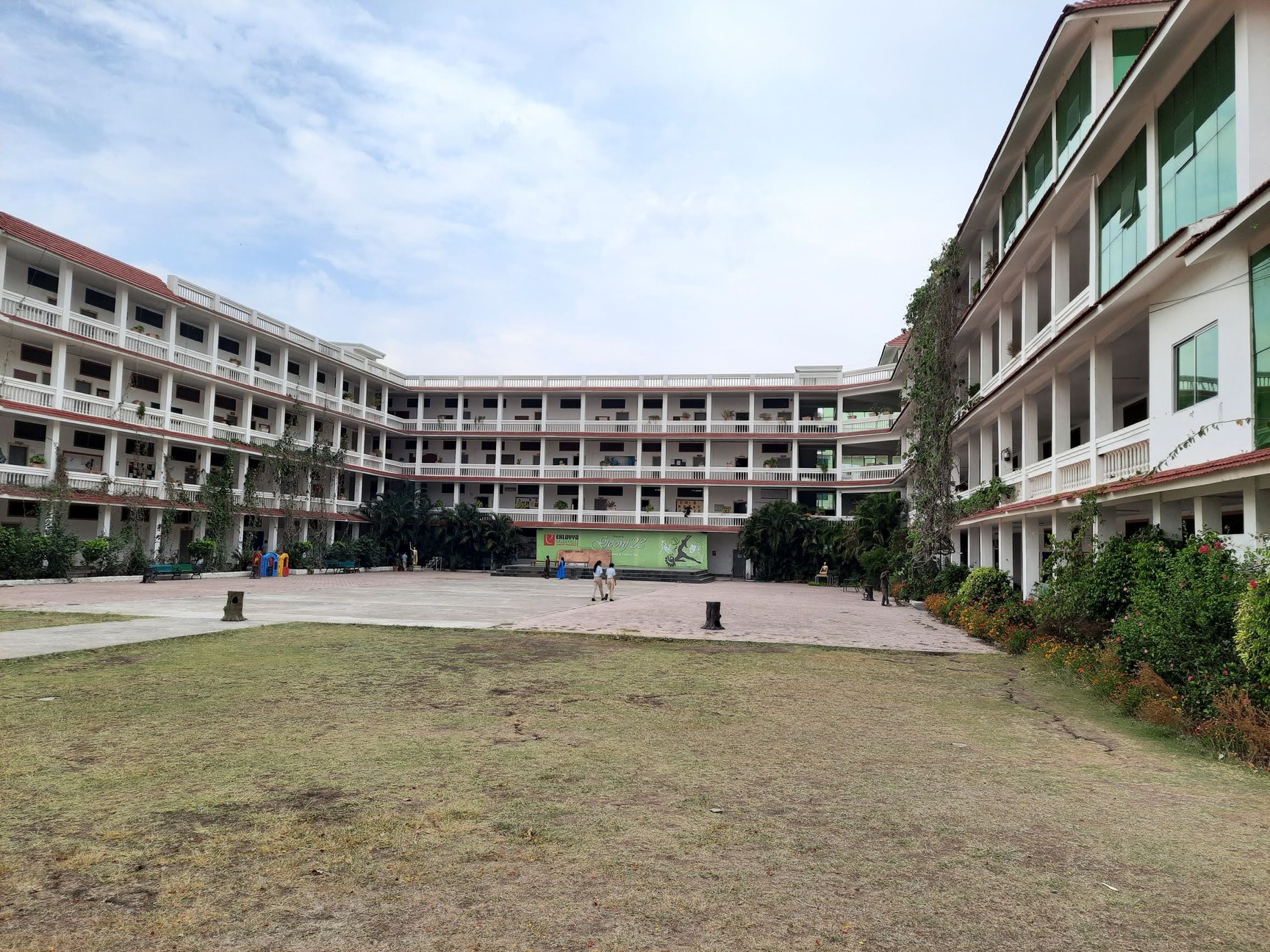
Ph.D. in History from Eklavya University: Eligibility, Entrance Exam, Fee Structure, Admission Process, Subjects, Research Areas, Syllabus, Scholarship & Career Scope
Introduction about Ph.D. in History at Eklavya University
Eklavya University stands as a beacon of scholarly excellence, offering a Doctorate in History that blends rigorous research methodology with the rich tapestry of India's past. Designed for professionals aspiring to become thought leaders, the program nurtures analytical depth, critical thinking, and a transformative perspective on historical narratives. Whether you aim to teach at premier institutions, contribute to heritage preservation, or lead research projects, the Ph.D. in History at Eklavya University equips you with the expertise to shape the future of historical studies.
Eligibility Criteria for Ph.D. in History at Eklavya University
- Master’s degree in History or a closely related discipline from a recognized university with a minimum of 55% aggregate (or 5.5 CGPA).
- For candidates with a Master’s in a different field, a minimum of 60% is required along with demonstrable research experience in History.
- Qualifying score in the university’s entrance examination or national-level tests such as UGC NET/CSIR NET.
- English language proficiency – minimum IELTS 6.0 or TOEFL 80 (for international candidates).
Entrance Exam for Ph.D. in History at Eklavya University
The entrance assessment comprises two parts: a written test and a personal interview. The written test evaluates:
- Historical knowledge – covering ancient, medieval, modern, and contemporary periods.
- Research methodology – qualitative and quantitative techniques, historiography, and source criticism.
- Analytical writing – essay and short answer questions that test critical reasoning.
The interview panel, consisting of senior faculty members, probes the candidate’s research proposal, academic motivations, and potential contributions to the department. Candidates who have cleared UGC NET are exempted from the written test but must still appear for the interview.
Fee Structure for Ph.D. in History at Eklavya University
| Component | Annual Fee (INR) | Notes |
|---|---|---|
| Tuition & Laboratory Fees | 45,000 | Includes access to archives, digital libraries, and research labs. |
| Examination & Evaluation Fee | 12,000 | Applicable each semester. |
| Annual Seminar & Conference Fee | 8,000 | Mandatory participation in departmental events. |
| Miscellaneous (Library Card, ID, etc.) | 5,000 | One‑time payment. |
| Total Approximate Cost (4‑Year Program) | 200,000 | Subject to revision each academic year. |
Admission Process for Ph.D. in History at Eklavya University
- Online Application: Submit the completed application form through the university’s portal.
- Upload Documents: Attach scanned copies of academic transcripts, entrance test scores, and a research proposal.
- Entrance Examination: Appear for the written test (if applicable) on the scheduled date.
- Personal Interview: Attend the interview with the departmental selection committee.
- Final Selection: Receive the admission offer via email, followed by fee payment.
- Enrollment: Register for the first semester and obtain your student ID.
Ph.D. Subjects and Specializations in History at Eklavya University
The department offers a range of specializations to align with contemporary research demands:
- Ancient Indian Civilizations
- Medieval South Asian Empires
- Colonial and Post‑Colonial Studies
- World History and Global Connections
- Cultural Heritage & Preservation
- Historical Sociology and Anthropology
- Digital History and Archival Technologies
Research Areas in History at Eklavya University
Eklavya University encourages interdisciplinary inquiry. Prominent research domains include:
- Trade Routes and Economic Networks in Pre‑Modern Asia.
- Gender and Social Reform Movements in 19th‑Century India.
- Impact of Colonial Policies on Indigenous Knowledge Systems.
- Environmental History: Climate Change in Historical Context.
- Memory Studies: Oral Traditions and Community Narratives.
- Use of GIS and Digital Mapping in Historical Research.
Documents Required for Ph.D. in History at Eklavya University
| Document | Details |
|---|---|
| Academic Transcripts | Original and certified copies of all graduate degrees. |
| Entrance Exam Scorecard | UGC NET/CSIR NET or university entrance test. |
| Research Proposal | 1500‑word outline with objectives, methodology, and bibliography. |
| Curriculum Vitae (CV) | Professional experience, publications, and conferences. |
| Identity Proof | Aadhar card, passport, or driver’s license. |
| Letter of Recommendation | Two academic references from professors or research supervisors. |
Eklavya University Ph.D. Syllabus for History
The curriculum is structured into three phases:
- Coursework (Year 1‑2): Core modules – Research Methodology, Historiography, Advanced Topics in Indian History, Electives (choose two).
- Comprehensive Examination (End of Year 2): Written and oral assessment covering coursework.
- Dissertation (Year 3‑4): Original research, periodic progress reviews, and final defense.
How To Apply for Ph.D. in History at Eklavya University
Step‑by‑step application guide:
- Visit the official university portal and click on “Apply for Ph.D.”
- Register using a valid email address and create a password.
- Complete the personal information section and upload the required documents.
- Pay the non‑refundable application fee (INR 2,500) via net banking or UPI.
- Submit the application and note the generated application ID for future correspondence.
- Monitor your email for interview invites and further instructions.
Career Scope and Job Opportunities After Ph.D. in History from Eklavya University
Graduates enjoy a diverse range of professional avenues:
- Academia: Lecturer, Assistant Professor, Associate Professor, or Dean at universities and colleges.
- Research Institutes: Senior Research Fellow, Project Coordinator, or Policy Analyst.
- Cultural Heritage Sector: Museum Curator, Archivist, Heritage Consultant.
- Publishing & Media: Academic Editor, Historical Documentary Producer, Content Strategist.
- Government & NGOs: Historical Consultant for ministries, NGOs focusing on education and cultural preservation.
- Corporate: Corporate Historian, Knowledge Management Specialist.
Scholarship for Ph.D. in History at Eklavya University
Eklavya University offers several financial assistance schemes:
- Merit‑Based Scholarships: Up to 50% tuition waiver for top 10% of candidates.
- Research Grants: Annual fund of INR 1,00,000 for fieldwork and archival visits.
- Government Fellowships: UGC‑JRF, CSIR‑JRF, and state-sponsored scholarships.
- External Sponsorships: Opportunities through cultural foundations and private trusts.
Prospective scholars can also avail Editing and Proofreading Services to refine their dissertation drafts and PhD Topic Selection and Proposal Assistance for a competitive research outline. Additional support options include PhD Admission Assistance, Honorary Doctorate Programs, Research Publication Support, and Patent Filing and Support Services for interdisciplinary scholars.
FAQs Regarding Ph.D. in History at Eklavya University
- 1. What is the minimum duration to complete the Ph.D.?
- The program is designed for a minimum of four years, subject to satisfactory progress.
- 2. Can I pursue the Ph.D. part‑time while working?
- Yes, Eklavya University provides a part‑time mode with flexible class schedules for working professionals.
- 3. Is there a provision for credit transfer from other universities?
- Credits for relevant research courses may be considered on a case‑by‑case basis with prior approval.
- 4. How many publications are required before the final defense?
- At least two peer‑reviewed journal articles or one book chapter are expected, though the requirement can vary by supervisor.
- 5. Are there opportunities for international research collaborations?
- Yes, the department maintains MOUs with several foreign universities and offers exchange fellowships.








