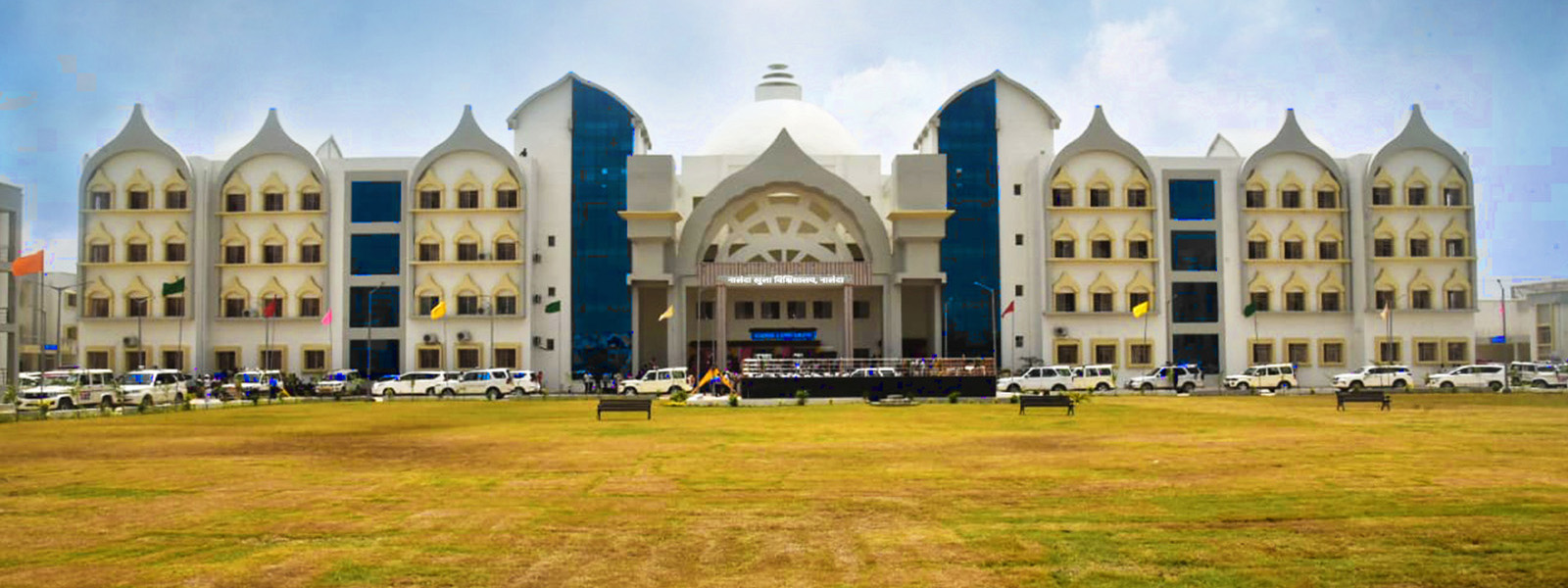
Ph.D. in History from Nalanda Open University: Eligibility, Entrance Exam, Fee Structure, Admission Process, Subjects, Research Areas, Syllabus, Scholarship & Career Scope
Introduction about Ph.D. in History at Nalanda Open University
The Doctor of Philosophy in History at Nalanda Open University is a gateway for seasoned professionals, academicians, and researchers who aspire to deepen their understanding of past civilizations, cultural dynamics, and historiographical debates. This program blends rigorous research methodology with flexible learning options, empowering students to contribute original scholarship while balancing career commitments. Whether you aim to become a university professor, policy analyst, museum curator, or independent scholar, the Ph.D. in History equips you with the analytical tools and scholarly credentials to shape the discourse of tomorrow.
Eligibility Criteria for Ph.D. in History at Nalanda Open University
Candidates must possess a master’s degree (or equivalent) in History, Ancient Studies, Archaeology, Anthropology, or any related discipline with a minimum aggregate of 55% (or CGPA 3.0 on a 4.0 scale). Applicants who hold a postgraduate degree in a different field may also apply provided they have completed at least one year of research experience or have published scholarly articles in indexed journals. Age is not a limiting factor; however, candidates should demonstrate a strong academic record and a clear research intent.
Entrance Exam for Ph.D. in History at Nalanda Open University
Admission is granted on the basis of a two‑stage evaluation:
- Stage 1 – Written Test: A 100‑question objective examination covering historiography, research methodology, and subject‑specific knowledge.
- Stage 2 – Interview & Proposal Review: Shortlisted candidates present a detailed research proposal and undergo a viva‑voce to assess originality, feasibility, and academic merit.
Preparation resources, sample papers, and previous year question banks are available on the university’s portal. Candidates are encouraged to register early to secure a slot for the examination.
Fee Structure for Ph.D. in History at Nalanda Open University
| Component | Amount (INR) | Notes |
|---|---|---|
| Application Processing Fee | 2,500 | Non‑refundable, payable at time of online submission. |
| Entrance Examination Fee | 3,000 | Covers test administration and evaluation. |
| Annual Tuition & Laboratory Charges | 15,000 per year | Inclusive of library access, e‑learning resources and mentorship. |
| Thesis Submission & Examination Fee | 8,000 | Payable in the final year upon submission of the dissertation. |
| Total Approximate Cost (4‑Year Programme) | 70,500 | Excludes optional travel, conference, and publication fees. |
Admission Process for Ph.D. in History at Nalanda Open University
The admission journey is streamlined into five key steps:
- Online Registration – Complete the application form and upload academic transcripts.
- Payment of Application Fee – Use the university’s secure payment gateway.
- Submission of Research Proposal – Outline objectives, literature review, methodology, and expected contributions.
- Entrance Examination & Interview – Appear for the written test followed by a panel interview.
- Final Selection & Confirmation – Receive the admission letter, enroll in the semester, and begin coursework.
Ph.D. Subjects and Specializations in History at Nalanda Open University
Students can choose from a broad spectrum of specializations, allowing them to tailor their research to personal interests and market relevance:
- Ancient Indian History & Archaeology
- Medieval and Early Modern South Asia
- World Civilizations & Comparative History
- Economic and Social History
- History of Science, Technology, and Medicine
- Cultural and Intellectual History
- Public History, Heritage Management & Museology
Research Areas in History at Nalanda Open University
Faculty mentors guide scholars across dynamic research domains, such as:
- Colonial Impact on Indigenous Institutions
- Transnational Trade Networks in the Indian Ocean
- Gender and Social Reform Movements
- Environmental History and Climate Change in Pre‑Modern Societies
- Digital Humanities and Historical Data Visualization
- Heritage Conservation Strategies for UNESCO Sites
- Political Thought and Nation‑Building Narratives
Documents Required for Ph.D. in History at Nalanda Open University
| Document | Details |
|---|---|
| Academic Transcripts | Original mark sheets of all qualifying degrees (certified copy). |
| Research Proposal | 500‑word abstract with bibliography and proposed methodology. |
| Curriculum Vitae | Professional experience, publications, conferences, and academic achievements. |
| Letters of Recommendation | Two academic references from qualified faculty members. |
| Identity Proof | Aadhaar card, passport, or voter ID (scanned copy). |
| Passport‑Sized Photograph | Recent color photograph (2 × 2 cm). |
Nalanda Open University Ph.D. Syllabus for History
The curriculum is modular, combining core coursework with intensive research components:
- Year 1 – Foundations: Research Design, Advanced Historiography, Quantitative Methods in History.
- Year 2 – Specialized Seminars: Thematic courses aligned with chosen specialization, e.g., “Ancient Urbanism” or “Digital Archives”.
- Year 3 – Fieldwork & Data Collection: Guided archival visits, oral history interviews, and laboratory analyses (where applicable).
- Year 4 – Thesis Writing & Defense: Drafting chapters, peer review, and final oral defense before a university panel.
How To Apply for Ph.D. in History at Nalanda Open University
Follow these precise instructions to submit a successful application:
- Visit the official Nalanda Open University portal and click on the “Ph.D. Admissions” tab.
- Create a user account using a valid email address; verify via the OTP sent to your inbox.
- Fill in personal, academic, and professional details in the online form.
- Upload scanned copies of all required documents as per the table above.
- Pay the non‑refundable application fee through the integrated payment gateway.
- Submit your research proposal in PDF format (maximum 2 MB).
- After confirmation, download the admit card for the entrance exam.
- Prepare for the written test and schedule your interview after shortlisting.
- Upon selection, accept the admission offer and register for the first semester.
Need help polishing your proposal or editing your research draft? Explore our Editing and Proofreading Services to ensure clarity and academic rigor.
Career Scope and Job Opportunities After Ph.D. in History from Nalanda Open University
Graduates emerge as subject‑matter experts ready to take on high‑impact roles:
- Academia: Lecturer, Assistant Professor, Department Head, or Research Fellow at universities and colleges.
- Research Institutes: Historical analyst for think‑tanks, cultural foundations, and government research bodies.
- Museums & Archives: Curator, Collections Manager, Conservation Specialist.
- Publishing & Media: Editorial consultant, author of scholarly monographs, documentary scriptwriter.
- Policy & Consultancy: Advisor on heritage legislation, cultural tourism strategist, UNESCO liaison.
- Corporate Sector: Corporate historian, knowledge‑management specialist, or brand heritage manager.
Our PhD Admission Assistance service can guide you through job market positioning, networking events, and interview preparation.
Scholarship for Ph.D. in History at Nalanda Open University
A variety of merit‑based and need‑based scholarships are offered:
- University Merit Scholarship: 50 % tuition waiver for candidates with a CGPA of 3.7 or higher.
- Research Grant for Emerging Scholars: Up to INR 50,000 for fieldwork and archival travel.
- National Fellowship (UGC‑JRF, CSIR‑NET): Fully funded stipends for qualifying candidates.
- Corporate Sponsored Scholarships: Partnerships with cultural NGOs provide project‑based funding.
Applicants can also apply for external scholarships via the PhD Topic Selection and Proposal Assistance platform, which offers tailored guidance on aligning proposals with funding agency priorities.
FAQs Regarding Ph.D. in History at Nalanda Open University
- 1. What is the minimum duration to complete the Ph.D.?
- The programme is designed for four years of full‑time study; part‑time candidates may take up to six years, subject to university approval.
- 2. Can I pursue the Ph.D. while working full‑time?
- Yes. Nalanda Open University offers a flexible e‑learning environment, allowing professionals to submit assignments and attend virtual seminars outside regular working hours.
- 3. Is there a provision for publishing my dissertation?
- Absolutely. The university has a dedicated Research Publication Support unit that assists with journal selection, peer‑review processes, and open‑access compliance.
- 4. Are there opportunities for interdisciplinary research?
- Interdisciplinary projects are encouraged, especially those intersecting history with archaeology, anthropology, digital humanities, or environmental studies.
- 5. How does the university support patent filing for historical research?
- For scholars developing innovative methodologies or digital tools, our Patent Filing and Support Services provide legal guidance, documentation, and filing assistance.








