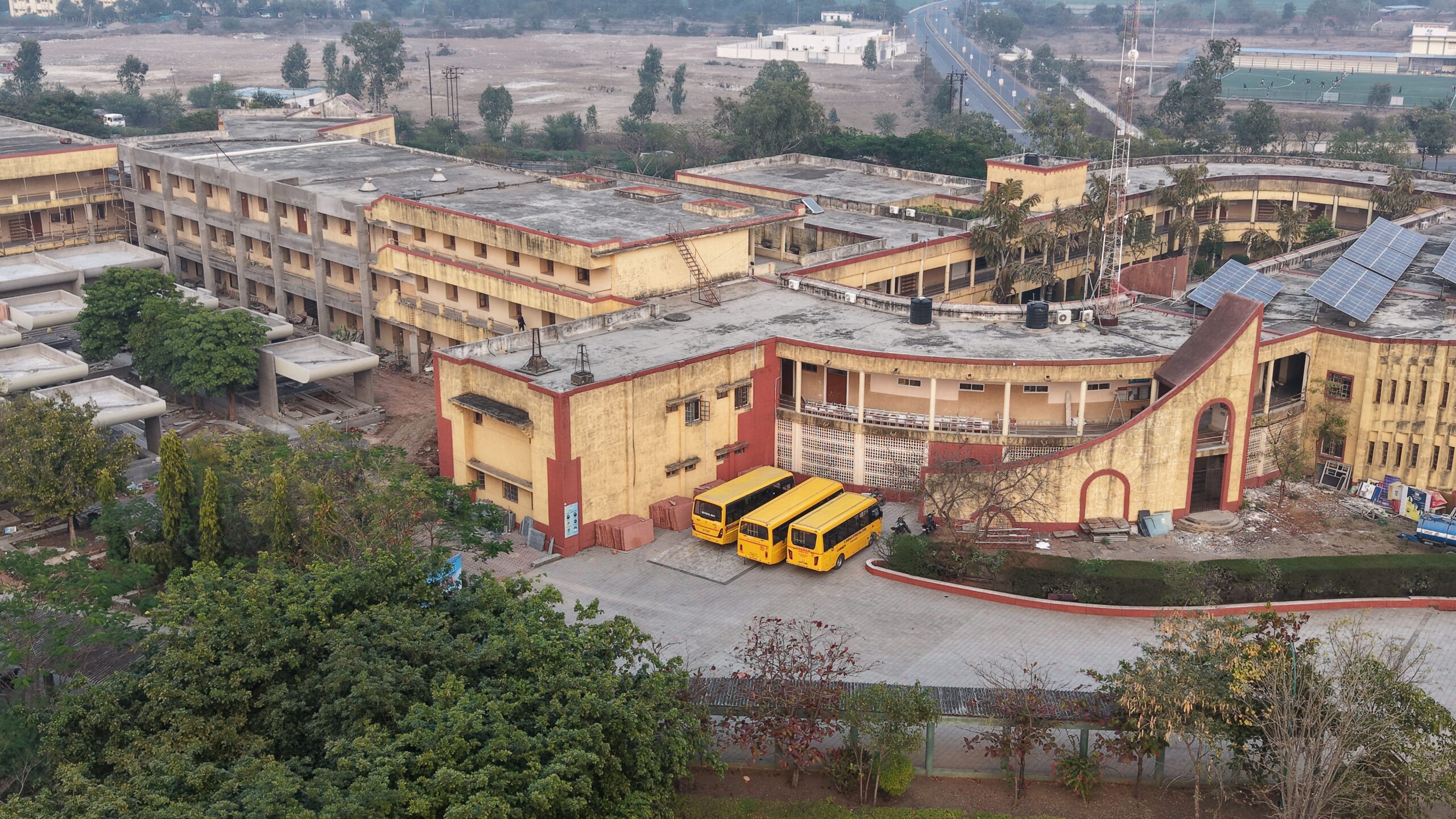
Ph.D. in Horticulture from Mandsaur University: Eligibility, Entrance Exam, Fee Structure, Admission Process, Subjects, Research Areas, Syllabus, Scholarship & Career Scope
The journey towards becoming a leading scientist in plant science begins with the right foundation. Ph.D. in Horticulture at Mandsaur University offers a world‑class research environment, seasoned faculty, and state‑of‑the‑art laboratories that empower professionals to innovate in sustainable agriculture, post‑harvest technology, and ornamental plant breeding. Whether you aim to influence policy, lead cutting‑edge research, or launch an entrepreneurial venture, this doctoral program provides the academic rigor and industry relevance you need to transform aspirations into impact.
Eligibility Criteria for Ph.D. in Horticulture at Mandsaur University
Prospective candidates must satisfy the following academic and professional standards:
- Master’s degree (M.Sc., M.Tech., or equivalent) in Horticulture, Botany, Agriculture, or a closely related discipline with a minimum aggregate of 55% (or 5.5 CGPA) from a recognized university.
- Valid GATE or ICAR-JRF score is preferred but not mandatory; candidates without a valid score must clear the university‑conducted entrance examination.
- Applicants should possess a strong research orientation, demonstrated through publications, project work, or relevant industry experience.
- For foreign nationals, a certified equivalence of the previous degree and a minimum of 60% academic performance is required.
Entrance Exam for Ph.D. in Horticulture at Mandsaur University
The entrance assessment is designed to evaluate both subject‑matter expertise and research potential.
- Mode: Online objective test followed by a personal interview.
- Duration: 120 minutes.
- Sections:
- Fundamentals of Horticulture (30 questions)
- Research Methodology & Statistics (20 questions)
- General Aptitude & Reasoning (20 questions)
- Selection is based on the combined score of the written test (70%) and interview (30%).
Preparation resources, including past papers and mock tests, are available on the university portal.
Fee Structure for Ph.D. in Horticulture at Mandsaur University
| Component | Annual Fee (INR) | Notes |
|---|---|---|
| Tuition & Lab Charges | 35,000 | Includes access to research labs and library resources. |
| University Development Levy | 5,000 | Mandatory for all postgraduate programs. |
| Examination & Evaluation Fee | 2,500 | Per semester. |
| Research Project Grant (Optional) | 10,000 | Allocated to candidates with approved project proposals. |
| Total Approximate Cost (4‑Year Program) | 1,80,000 | Excluding scholarships or external funding. |
Fee waivers are available for meritorious candidates and those receiving external research grants.
Admission Process for Ph.D. in Horticulture at Mandsaur University
- Online Application: Fill the application form on the university’s official website and upload scanned copies of academic certificates.
- Document Verification: The admissions office validates the submitted documents and issues a provisional eligibility certificate.
- Entrance Examination: Appear for the online test on the scheduled date.
- Interview & Proposal Review: Shortlisted candidates present their research proposal to the department panel.
- Final Admission Letter: Successful candidates receive an official admission letter along with fee payment instructions.
- Registration: Complete the registration formalities, obtain a university ID, and enroll in the first semester.
All steps are synchronized with the academic calendar; detailed timelines are posted annually on the university portal.
Ph.D. Subjects and Specializations in Horticulture at Mandsaur University
Students may select a specialization aligned with their research interests. Core subjects include:
- Advanced Plant Physiology
- Genetics and Molecular Breeding of Horticultural Crops
- Post‑Harvest Technology and Value Addition
- Integrated Pest Management (IPM)
- Organic Horticulture and Sustainable Production
- Landscape Architecture and Urban Horticulture
- Biotechnology in Horticultural Sciences
Elective modules enable interdisciplinary exposure, such as agribusiness management, climate‑smart agriculture, and food safety.
Research Areas in Horticulture at Mandsaur University
The university’s research ecosystem fosters innovation across several focus domains:
- Genomic approaches for disease resistance in fruit crops.
- Development of low‑temperature storage techniques for perishable produce.
- Phytoremediation and soil health improvement using horticultural species.
- Precision irrigation and water‑use efficiency in orchards.
- Biofortification of vegetables for enhanced nutritional value.
- Urban greening and vertical farming technologies.
Collaborations with national research institutes, industry partners, and international universities amplify the impact of these studies.
For assistance with dissertation writing, consider professional services such as Thesis and Dissertation Writing Services to streamline your research documentation.
Documents Required for Ph.D. in Horticulture at Mandsaur University
| Document | Format | Remarks |
|---|---|---|
| Completed Application Form | Uploaded via the online portal. | |
| Academic Transcripts (10th, 12th, Graduation, Post‑Graduation) | Scanned copies | Must be attested. |
| Proof of Identity (Aadhaar / Passport) | Valid and current. | |
| Research Proposal (2,000–3,000 words) | Word document | Include objectives, methodology, and expected outcomes. |
| GATE / ICAR‑JRF Scorecard (if applicable) | Optional but advantageous. | |
| Curriculum Vitae (CV) | Highlight publications, projects, and relevant experience. | |
| Letter of Recommendation (2) | From academic or professional supervisors. |
Mandsaur University Ph.D. Syllabus for Horticulture
The doctoral syllabus is structured into three progressive phases:
- Coursework (Year 1) – 30 credits covering core and elective modules. Key courses: Advanced Plant Biotechnology, Statistical Methods for Research, and Sustainable Horticulture.
- Comprehensive Examination (End of Year 2) – Written and oral exams assessing depth of knowledge and readiness for independent research.
- Thesis Research (Years 3‑4) – Execution of the approved research project, regular progress reviews, and submission of a doctoral dissertation.
Regular seminars, journal clubs, and workshops are integral to the curriculum, ensuring continual skill enhancement.
How To Apply for Ph.D. in Horticulture at Mandsaur University
Follow these steps to submit a successful application:
- Visit the official Mandsaur University website and navigate to the “Postgraduate Admissions” portal.
- Create a user account and fill in personal and academic details.
- Upload the required documents (refer to the Documents Required table).
- Pay the non‑refundable application fee of INR 2,000 via Netbanking or UPI.
- Submit the application and note the generated application number for future correspondence.
- Prepare for the entrance test using the syllabus provided in the “Entrance Exam” section.
- After clearing the exam, schedule your interview through the portal.
For data analysis assistance during your research, you may explore Research Data Analysis Services.
Career Scope and Job Opportunities After Ph.D. in Horticulture from Mandsaur University
A doctorate in horticulture opens a spectrum of high‑impact careers:
- Academic Positions: Assistant/Associate Professor, Research Fellow, Department Head.
- Research Institutions: Senior Scientist at ICAR, Indian Council of Forestry Research, or international labs.
- Industry Roles: R&D Manager in agri‑tech companies, Crop Improvement Specialist, Product Development Lead for








