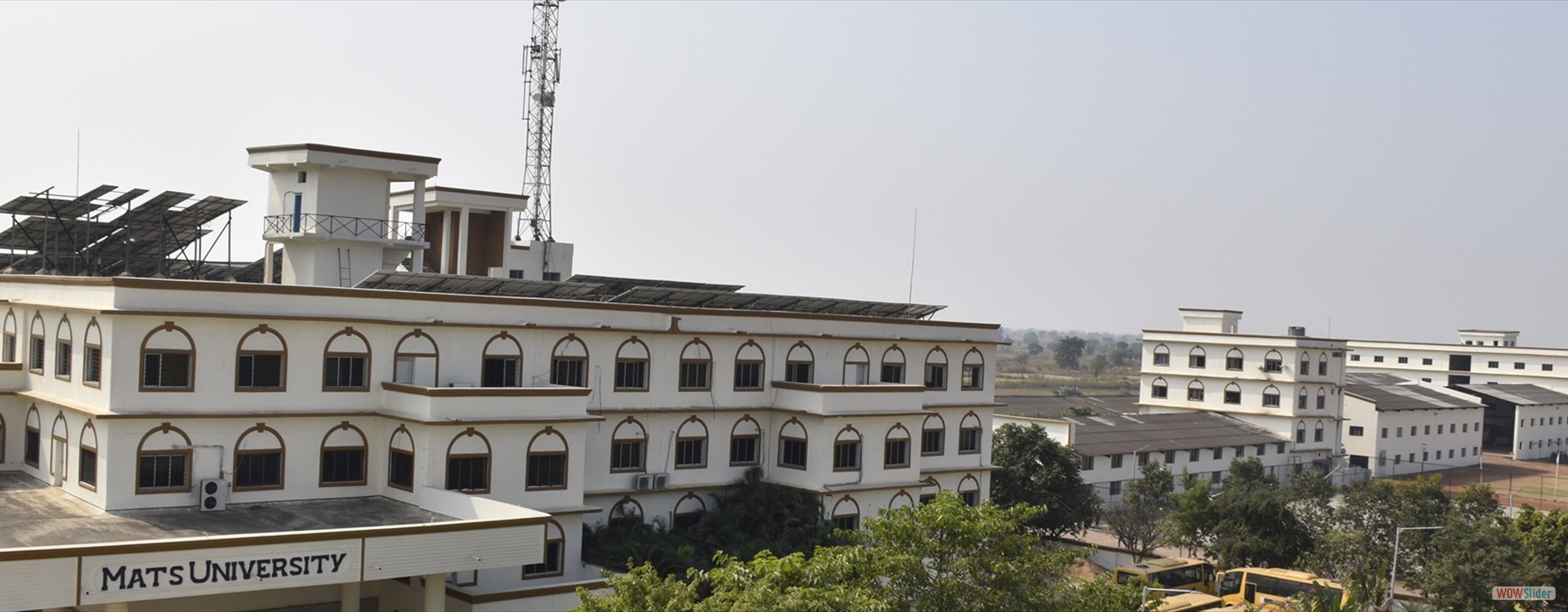
Introduction about Ph.D. in Horticulture at MATS University
The pursuit of a Ph.D. in Horticulture at MATS University represents more than just an academic milestone; it is a profound commitment to mastering the science and art of plant cultivation. In an era where global food security, sustainable urban landscaping, and climate-resilient agriculture are paramount, advanced research in horticulture has never been more critical. MATS University, located in Raipur, Chhattisgarh, stands as a beacon of academic excellence, providing a nurturing environment where scholars can delve into the complexities of pomology, olericulture, floriculture, and post-harvest technology. This doctoral program is meticulously designed for professionals and researchers who aspire to contribute groundbreaking knowledge to the agricultural sector, fostering innovation that balances productivity with ecological harmony.
At MATS University, the Ph.D. in Horticulture is not merely about laboratory work; it is about cultivating a vision for a greener future. The university encourages an interdisciplinary approach, integrating biotechnology, soil science, and environmental management to solve real-world agricultural challenges. Scholars are mentored by distinguished faculty members who are experts in their respective fields, ensuring that every doctoral candidate receives the guidance necessary to produce high-impact research. By choosing MATS University, you are stepping into a legacy of academic rigor and industrial relevance, preparing yourself to lead the next generation of horticultural scientists.
Ph.D Admission 2026-2027 & Writing Support Services by Shiksha Research
Eligibility Criteria for Ph.D. in Horticulture at MATS University
To embark on this transformative journey, candidates must meet specific academic standards that reflect the rigor of the program. MATS University ensures that only those with a strong foundational knowledge in plant sciences are admitted to the doctoral level. The primary eligibility criteria include:
- Master?s Degree: Candidates must possess a Master?s degree in Horticulture, Agriculture, Botany, or a related life science discipline from a recognized university.
- Minimum Marks: A minimum of 55% marks in aggregate (or an equivalent grade point average) at the postgraduate level is required. A relaxation of 5% is granted to candidates belonging to SC/ST/OBC (non-creamy layer) and differently-abled categories as per government norms.
- Professional Experience: While not mandatory, candidates with professional experience in research laboratories, agro-industries, or academic institutions are highly encouraged to apply, as their practical insights often enrich the research environment.
- Qualifying Examinations: Preference may be given to candidates who have cleared national-level examinations such as UGC-NET, CSIR-NET, ICAR-NET, or GATE, highlighting their preparedness for high-level academic inquiry.
Entrance Exam for Ph.D. in Horticulture at MATS University
The gateway to the Ph.D. program at MATS University is the MATS Entrance Test (MET). This comprehensive examination is designed to assess the candidate's analytical abilities, subject matter expertise, and research aptitude. The entrance exam typically consists of two parts:
- Research Methodology: This section evaluates the candidate's understanding of research ethics, statistical tools, and qualitative/quantitative analysis methods.
- Subject-Specific Content: This section focuses on advanced concepts in Horticulture, including plant physiology, breeding techniques, and crop management.
Candidates who have successfully cleared national fellowships like NET or JRF are often exempted from the written test, though they must still participate in the subsequent interview process. The interview is a critical phase where the department?s research committee evaluates the candidate?s research interest, technical competence, and the viability of their proposed study area.
Fee Structure for Ph.D. in Horticulture at MATS University
The fee structure at MATS University is designed to be competitive yet reflective of the high-quality infrastructure and resources provided to doctoral scholars. Below is an approximate breakdown of the costs associated with the Ph.D. program:
| Component | Estimated Amount (INR) | Frequency |
|---|---|---|
| Registration & Application Fee | ?2,500 - ?5,000 | One-time |
| Course Work Fee | ?20,000 - ?30,000 | First Semester |
| Annual Tuition Fee | ?80,000 - ?1,10,000 | Per Annum |
| Thesis Submission & Examination Fee | ?15,000 - ?25,000 | At the time of submission |
| Library and Lab Fees | ?10,000 | Per Annum |
Note: The fees mentioned above are subject to change as per university regulations. Scholars are advised to verify the latest fee schedule from the official MATS University admission office.
Admission Process for Ph.D. in Horticulture at MATS University
The admission journey at MATS University is a structured process designed to identify and nurture the brightest minds in horticulture. For many professionals, navigating this path requires precision and expertise. Utilizing PhD Admission Assistance can be highly beneficial in ensuring all institutional requirements are met efficiently.
The process follows these sequential steps:
- Notification: The university issues an official admission notification on its website and in leading newspapers.
- Application Submission: Interested candidates must submit their application forms along with a preliminary research proposal.
- Entrance Testing: Eligible candidates appear for the MATS University entrance exam.
- Research Interview/Viva-Voce: Shortlisted candidates discuss their research interests and professional goals with the departmental committee.
- Final Selection: A merit list is prepared based on entrance scores, interview performance, and academic consistency.
- Enrollment: Selected candidates complete the documentation and pay the registration fees to secure their seat.
Ph.D. Subjects and Specializations in Horticulture at MATS University
Horticulture is a vast field, and MATS University offers a diverse range of specializations that allow scholars to focus on their specific areas of interest. These specializations are designed to bridge the gap between theoretical knowledge and practical application:
- Fruit Science (Pomology): Focused on the cultivation, breeding, and physiology of fruit crops.
- Vegetable Science (Olericulture): Researching advanced production techniques and variety development for vegetable crops.
- Floriculture and Landscaping: Exploring the aesthetic and industrial aspects of flower production and ornamental gardening.
- Post-Harvest Technology: Investigating methods to reduce post-harvest losses and enhance the shelf-life and quality of produce.
- Plantation, Spices, Medicinal, and Aromatic Crops: Studying high-value crops that are essential for the pharmaceutical and spice industries.
Research Areas in Horticulture at MATS University
Research is the heartbeat of the Ph.D. program at MATS University. The institution encourages scholars to explore innovative domains that have the potential to revolutionize the agricultural landscape. Key research areas include:
- Genetic Engineering and Biotechnology: Developing stress-tolerant and high-yielding crop varieties.
- Organic Farming and Sustainable Horticulture: Researching bio-fertilizers and eco-friendly pest management.
- Precision Agriculture: Utilizing IoT and drone technology for optimized resource management in orchards and farms.
- Climate Change Mitigation: Studying the impact of global warming on crop phenology and developing adaptation strategies.
Advanced research often leads to unique inventions. To protect these intellectual contributions, scholars are encouraged to seek Patent Filing and Support Services, ensuring that their innovations are legally safeguarded and ready for commercialization.
Documents Required for Ph.D. in Horticulture at MATS University
A seamless admission process requires the submission of organized and verified documentation. Candidates should prepare the following:
- High School and Higher Secondary Marksheets/Certificates.
- Graduation and Post-Graduation Degree Certificates and Marksheets.
- Transfer Certificate (TC) and Migration Certificate.
- Caste Certificate (if applicable).
- Passport-sized Photographs.
- A comprehensive Curriculum Vitae (CV).
- A well-drafted Research Proposal/Synopsis.
- NOC from current employer (if the candidate is employed).
MATS University Ph.D. Syllabus for Horticulture
The Ph.D. syllabus is divided into two main phases: the Intensive Course Work and the Original Research phase. The course work is mandatory and must be completed within the first year of the program. It includes:
- Research Methodology: Designing experiments, sampling techniques, and advanced statistical analysis.
- Computer Applications: Efficient use of software for data management and scientific writing.
- Recent Advances in Horticulture: A review of the latest scientific literature and technological breakthroughs in the field.
- Research and Publication Ethics: Understanding plagiarism, copyright, and proper citation formats.
During the research phase, scholars focus on their specific dissertation. To ensure that the final thesis meets global academic standards, many scholars utilize professional Editing and Proofreading Services to refine their language and presentation. Furthermore, Research Publication Support is vital for getting research papers accepted in high-impact, peer-reviewed international journals.
How To Apply for Ph.D. in Horticulture at MATS University
Applying for a Ph.D. requires careful planning and attention to detail. Follow these steps to ensure a successful application:
- Visit the Official Website: Head to the MATS University admissions portal to check for active Ph.D. notifications.
- Register Online: Create a scholar profile and fill in the personal and academic details.
- Upload Documents: Securely upload scanned copies of all required academic credentials.
- Draft the Proposal: This is a crucial step. For those who need assistance in narrowing down a research gap, seeking PhD Topic Selection and Proposal Assistance can provide a significant competitive advantage.
- Pay the Application Fee: Complete the payment via the integrated online gateway.
- Submit and Print: Submit the application and keep a printout of the confirmation for future reference.
Career Scope and Job Opportunities After Ph.D. in Horticulture from MATS University
The career trajectory for a Ph.D. holder in Horticulture is both prestigious and diverse. Graduates are well-equipped to take on leadership roles in various sectors. Potential career paths include:
- Research Scientist: Leading R&D wings in government organizations like ICAR or private agro-biotech firms.
- University Professor: Shaping the minds of future agriculturists in academic institutions worldwide.
- Horticultural Consultant: Providing expert advice to large-scale organic farms, landscape architects, and greenhouse projects.
- Policy Maker: Working with governmental bodies to draft agricultural policies and sustainable development goals.
- Entrepreneurship: Establishing high-tech nurseries, seed production units, or export-oriented horticultural ventures.
For mid-career professionals who have already made significant contributions to the field of agriculture without a formal Ph.D., exploring Honorary Doctorate Programs can be a way to gain institutional recognition for their lifetime of expertise and industry impact.
Scholarship for Ph.D. in Horticulture at MATS University
MATS University is committed to making advanced education accessible to talented researchers. Several financial aid options are available:
- University Research Fellowships: Awarded to top-performing entrance exam candidates based on merit.
- Government Fellowships: Scholars who have cleared NET-JRF can avail themselves of monthly stipends from UGC or CSIR.
- State Government Scholarships: Scholarships specifically allocated for students from reserved categories or economically weaker sections of Chhattisgarh.
- Industry-Sponsored Grants: Available for research projects that align with the interests of specific agricultural corporations.
FAQs Regarding Ph.D. in Horticulture at MATS University
1. What is the duration of the Ph.D. program?
The program typically lasts between 3 to 5 years, depending on the progress of the research and thesis submission.
2. Can I pursue this Ph.D. while working?
Yes, MATS University offers flexibility for working professionals, though candidates must fulfill the residency requirements and mandatory course work as per UGC guidelines.
3. Is the MATS University Ph.D. degree UGC-recognized?
Yes, MATS University is a recognized institution, and its doctoral degrees are valid for academic and professional appointments across India and abroad.
4. How important is the research proposal during the interview?
The research proposal is highly significant as it demonstrates your ability to identify a research gap and your clarity of thought regarding your future study.
5. Are there international collaboration opportunities?
The university actively encourages international exposure through webinars, conferences, and potential collaborations with global research entities.
Embarking on a Ph.D. in Horticulture at MATS University is an investment in your future and the future of the planet. Through rigorous academic training and innovative research opportunities, you will emerge as a leader capable of transforming the horticultural landscape.








