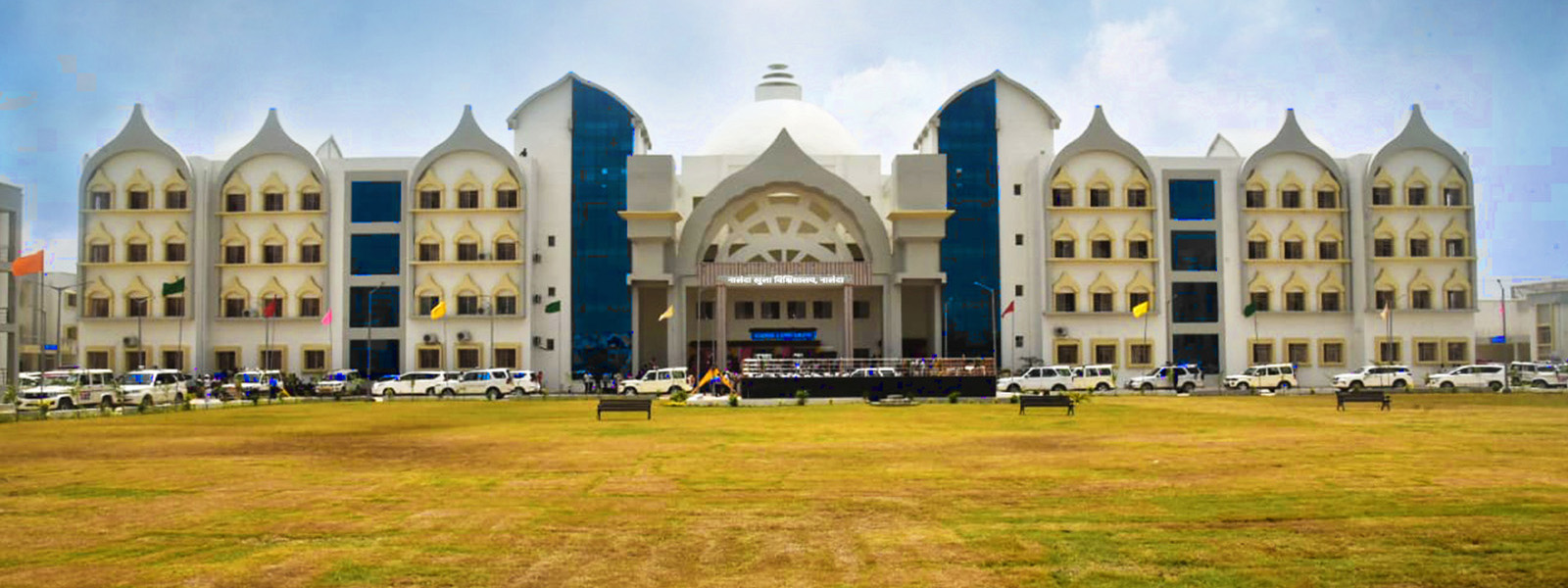
Introduction about Ph.D. in Horticulture at Nalanda Open University
The Ph.D. in Horticulture offered by Nalanda Open University is a research‑intensive programme designed for seasoned professionals who aspire to become thought leaders in plant cultivation, post‑harvest technology, and sustainable agro‑ecosystems. With a curriculum aligned to global standards, the doctorate empowers scholars to contribute original knowledge, influence policy, and drive innovation across the horticultural value chain.
Eligibility Criteria for Ph.D. in Horticulture at Nalanda Open University
Prospective candidates must satisfy the following eligibility conditions:
- Master’s degree in Horticulture, Botany, Agriculture, Food Science, or a related discipline with a minimum of 55% aggregate (or 5.0 CGPA on a 10‑point scale).
- Valid GATE/NET score in the relevant subject is preferred but not mandatory.
- Professional experience of at least 2 years in research, academia, or industry enhances the application profile.
- Age limit: No upper age restriction for candidates holding a Master’s degree.
Entrance Exam for Ph.D. in Horticulture at Nalanda Open University
A university‑conducted entrance test evaluates the candidate’s research aptitude, subject knowledge, and analytical skills. The exam pattern includes:
- Duration: 2 hours.
- Sections: Research Methodology (30 marks), Core Horticulture (50 marks), Aptitude & Reasoning (20 marks).
- Mode: Online computer‑based test.
Candidates who have cleared GATE/NET are exempted from the entrance exam but must submit the valid scorecard.
Fee Structure for Ph.D. in Horticulture at Nalanda Open University
The fee is structured to support both full‑time and part‑time scholars. Below is the detailed breakdown for the 2026‑27 academic session.
| Component | Full‑Time (₹) | Part‑Time (₹) |
|---|---|---|
| Application Processing Fee | 2,500 | 2,500 |
| Entrance Examination Fee | 4,000 | — (Exempt for GATE/NET) |
| Annual Tuition & Lab Charges | 25,000 | 35,000 |
| Research Materials & Field Work | 10,000 (estimated) | 12,000 (estimated) |
| University Registration & Miscellaneous | 5,000 | 5,000 |
| Total Approx. Cost (3‑Year Programme) | 106,500 | 122,500 |
Admission Process for Ph.D. in Horticulture at Nalanda Open University
The admission workflow is streamlined into six clear steps:
- Online Registration: Fill the application form on the university portal and pay the processing fee.
- Document Upload: Submit scanned copies of academic certificates, mark sheets, GATE/NET scorecard (if applicable), and a detailed CV.
- Entrance Examination / Score Verification: Appear for the university test or upload the valid GATE/NET result.
- Interview & Research Proposal Review: Shortlisted candidates are invited for a virtual interview where the research proposal is evaluated.
- Admission Offer: Successful candidates receive a formal admission letter with fee details.
- Enrollment & Orientation: Pay the first year’s tuition, complete enrollment, and attend the orientation program.
Ph.D. Subjects and Specializations in Horticulture at Nalanda Open University
Students can choose from a range of interdisciplinary specializations that align with emerging industry trends:
- Fruit Breeding & Genetics
- Vegetable Production Systems
- Post‑Harvest Technology & Value Addition
- Organic Horticulture & Sustainable Practices
- Protected Cultivation (Greenhouse, Hydroponics)
- Plant Pathology & Integrated Pest Management
- Horticultural Economics & Agribusiness Management
Research Areas in Horticulture at Nalanda Open University
The university’s research clusters focus on high‑impact domains:
- Climate‑Resilient Horticulture
- Genomic Editing for Fruit Quality Enhancement
- Agro‑Ecological Modelling for Precision Farming
- Bio‑fortified Crops for Nutritional Security
- Smart Storage Solutions to Reduce Post‑Harvest Losses
- Entrepreneurial Development in Horticulture Start‑ups
- Policy Frameworks for Sustainable Horticultural Trade
Documents Required for Ph.D. in Horticulture at Nalanda Open University
| Document | Details | Format |
|---|---|---|
| Application Form | Completed online form with payment receipt | |
| Academic Transcripts | Mark sheets of Bachelor’s and Master’s degrees | PDF (scanned) |
| Degree Certificates | Original certificates (soft copy) | |
| GATE/NET Scorecard | Only if applicable | |
| Research Proposal | 2‑page synopsis outlining objectives, methodology & expected outcomes | DOCX or PDF |
| Curriculum Vitae | Professional experience, publications, and projects | |
| Identity Proof | Aadhaar/Passport copy |
Nalanda Open University Ph.D. Syllabus for Horticulture
The syllabus is divided into three phases – Core Coursework, Comprehensive Examination, and Dissertation Research.
- Year 1 – Core Coursework (30 credits): Research Methodology, Advanced Plant Physiology, Statistics for Agricultural Research, and a specialization elective.
- Year 2 – Comprehensive Exam & Proposal Development (15 credits): Written and oral exams, proposal refinement, ethics & intellectual property workshops.
- Year 3 – Dissertation (45 credits): Original research, data analysis, manuscript preparation, and defense.
How To Apply for Ph.D. in Horticulture at Nalanda Open University
Follow these concise steps to submit a successful application:
- Visit the official Ph.D. Horticulture admission portal and register.
- Complete the online application form, ensuring all mandatory fields are filled accurately.
- Upload the required documents (refer to the table above) and pay the processing fee via net banking or UPI.
- Schedule and appear for the entrance examination or upload your valid GATE/NET score.
- Prepare a concise research proposal (max 2 pages) and submit it through the portal before the deadline.
- Await the interview call; attend the virtual interview and present your research vision.
- Once selected, pay the first-year tuition, receive the admission letter, and enroll in the orientation program.
Career Scope and Job Opportunities After Ph.D. in Horticulture from Nalanda Open University
Graduates enjoy a broad spectrum of career pathways, including:
- Senior Research Scientist – Government Agricultural Research Institutes (ICAR, ICRISAT).
- Faculty Positions – Universities and Agricultural Colleges (Assistant/Associate Professor).
- R&D Manager – Multinational horticulture corporations and seed companies.
- Policy Analyst – Ministry of Agriculture, State H








