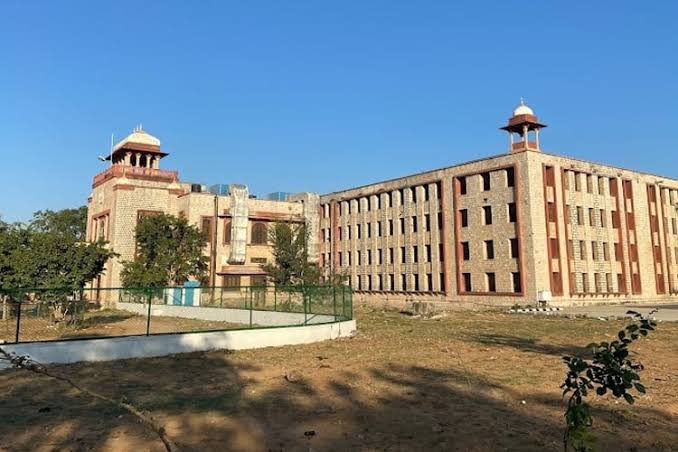
Ph.D. in Instrumentation Engineering from Rajasthan University: Eligibility, Entrance Exam, Fee Structure, Admission Process, Subjects, Research Areas, Syllabus, Scholarship & Career Scope
Introduction about Ph.D. in Instrumentation Engineering at Rajasthan University
Rajasthan University stands as a beacon of advanced research and academic excellence in India. The Ph.D. in Instrumentation Engineering program is meticulously designed for professionals who aspire to drive innovation in measurement, control, and automation technologies. With a strong emphasis on interdisciplinary collaboration, state?of?the?art laboratories, and industry?linked projects, this doctorate cultivates thought leaders poised to transform sectors such as manufacturing, energy, aerospace, and biomedical engineering.
Eligibility Criteria for Ph.D. in Instrumentation Engineering at Rajasthan University
Prospective candidates must satisfy the following academic benchmarks:
- Master?s degree (M.Tech/ M.E.) in Instrumentation Engineering or a closely related discipline with a minimum of 55% aggregate (or equivalent CGPA).
- Candidates holding a Ph.D. in a related field (e.g., Electronics, Control Systems) are also eligible.
- Qualifying national level tests such as UGC?NET, GATE, CSIR?NET, or a university?conducted entrance examination.
- Admission for foreign nationals is based on a valid GATE score or equivalent.
Entrance Exam for Ph.D. in Instrumentation Engineering at Rajasthan University
The entrance evaluation comprises two stages:
- Written Test ? 100 marks, evaluating fundamentals of instrumentation, control theory, signal processing, and research methodology.
- Interview & Presentation ? Candidates present their research proposal and undergo a viva?voce to assess suitability for doctoral research.
Exemptions are granted to candidates who have cleared national eligibility tests (UGC?NET, GATE, etc.) with a minimum of 55% marks.
Fee Structure for Ph.D. in Instrumentation Engineering at Rajasthan University
| Fee Component | Amount (INR) |
|---|---|
| Admission Registration Fee | 5,000 |
| Annual Tuition & Lab Charges | 25,000 |
| Research Materials & Publication Support | 10,000 (estimated) |
| Miscellaneous (library, internet, etc.) | 5,000 |
| Total Approximate Cost per Year | 45,000 |
Fees are subject to revision based on university policies. Financial assistance is available through scholarships and research grants.
Admission Process for Ph.D. in Instrumentation Engineering at Rajasthan University
The streamlined admission workflow ensures transparency:
- Online Application ? Submit the application form through the university portal along with scanned academic documents.
- Document Verification ? The admissions office verifies eligibility and eligibility test scores.
- Entrance Examination ? Eligible candidates are invited to appear for the written test.
- Interview & Proposal Review ? Shortlisted applicants present their research proposal before the faculty panel.
- Final Selection & Offer Letter ? Successful candidates receive an official admission letter and details of fee payment.
Ph.D. Subjects and Specializations in Instrumentation Engineering at Rajasthan University
Students can tailor their doctoral research to one of the following specializations:
- Process Control and Automation
- Smart Sensors and IoT Integration
- Biomedical Instrumentation
- Industrial Robotics and Mechatronics
- Advanced Signal Processing
- Energy Management and Power Electronics
Research Areas in Instrumentation Engineering at Rajasthan University
Rajasthan University fosters cutting?edge research across a spectrum of domains:
- Development of AI?driven predictive control systems.
- Nanotechnology?enabled sensing platforms.
- Real?time monitoring of renewable energy grids.
- Instrumentation for precision agriculture.
- Wearable health?monitoring devices.
- Robust fault?diagnosis algorithms for manufacturing plants.
Documents Required for Ph.D. in Instrumentation Engineering at Rajasthan University
| Document | Details |
|---|---|
| Academic Transcripts | Copies of B.Tech/M.Tech certificates with mark sheets. |
| Entrance Test Score Card | UGC?NET / GATE / University?conducted test result. |
| Research Proposal | 1500?word proposal outlining objectives, methodology, and expected outcomes. |
| Curriculum Vitae (CV) | Professional experience, publications, and projects. |
| Letter of Recommendation | Two academic/industry references. |
| Identity Proof | Aadhaar, passport, or driver's license. |
Rajasthan University Ph.D. Syllabus for Instrumentation Engineering
The doctoral syllabus is flexible, focusing on research methodology, advanced electives, and dissertation work. Core components include:
- Research Methodology & Ethics
- Advanced Control Theory
- Signal Processing for Instrumentation
- Instrumentation Lab Techniques
- Elective Modules (choose any two): AI in Automation, Nano?Sensors, Biomedical Signal Acquisition, Renewable Energy Instrumentation.
- Ph.D. Thesis (minimum 80 pages) and Viva?voce.
How To Apply for Ph.D. in Instrumentation Engineering at Rajasthan University
Follow these steps to submit a successful application:
- Visit the official Rajasthan University admissions portal.
- Create a user account and fill in personal and academic details.
- Upload scanned copies of required documents (refer to the Documents Required table).
- Pay the non?refundable registration fee of INR?5,000 via online banking or credit card.
- Submit the research proposal in PDF format (max 2?MB).
- Monitor your email for the entrance exam schedule and subsequent interview invitation.
Career Scope and Job Opportunities After Ph.D. in Instrumentation Engineering from Rajasthan University
Graduates enjoy a broad spectrum of career pathways:
- Academic Roles: Assistant Professor, Lecturer, Research Fellow in premier institutes.
- Industry Leadership: R&D Manager, Chief Technology Officer, Instrumentation Specialist in sectors like oil & gas, automotive, aerospace, and healthcare.
- Government & Public Sector: Senior Scientist in DRDO, ISRO, CSIR labs, and national research councils.
- Entrepreneurship: Start?ups focusing on IoT?enabled monitoring solutions, smart manufacturing, and wearable health tech.
- Consultancy: Independent consulting for process optimization, regulatory compliance, and technology transfer.
Scholarship for Ph.D. in Instrumentation Engineering at Rajasthan University
Financial support is offered through multiple channels:
- University Merit Scholarships: Up to 50% tuition waiver for candidates with a CGPA ? 8.5/10.
- UGC?JRF & SRF: Nationally funded fellowships covering stipend and contingency expenses.
- Industry?Sponsored Grants: Partnerships with leading corporations provide project?based funding.
- Research Project Stipends: Funding through funded projects under faculty supervision.
Applicants are encouraged to explore the Thesis and Dissertation Writing Services for guidance on structuring their thesis, and the Research Data Analysis Services for advanced statistical support.
FAQs Regarding Ph.D. in Instrumentation Engineering at Rajasthan University
- 1. What is the minimum duration to complete the Ph.D.?
- Typically 3?4 years for full?time candidates, provided the research milestones are met.
- 2. Can I pursue the Ph.D. part?time while working?
- Yes, the university offers a part?time mode with extended timelines and flexible scheduling.
- 3. Is there a language requirement?
- Proficiency in English is essential. TOEFL/IELTS scores are required only for foreign nationals.
- 4. Are publications mandatory?
- At least two articles in peer?reviewed international journals are recommended for timely completion.
- 5. How does the university support research dissemination?
- Through the annual research symposium, collaborations with industry, and access to high?impact journals. Additional assistance is available via Research Paper Writing Services and Questionnaire Design and Development.








