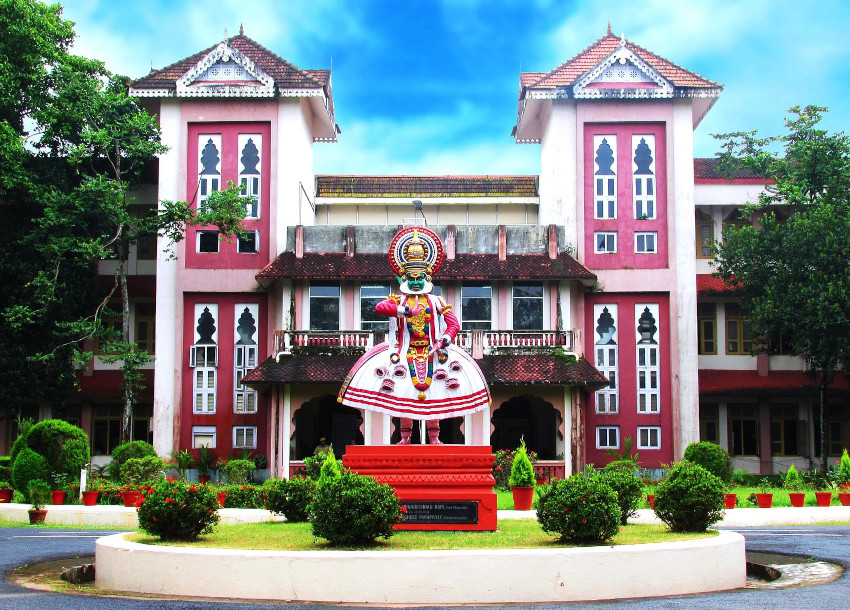
Ph.D. in Intellectual Property Law from Cochin University of Science & Technology: Eligibility, Entrance Exam, Fee Structure, Admission Process, Subjects, Research Areas, Syllabus, Scholarship & Career Scope
Introduction about Ph.D. in Intellectual Property Law at Cochin University of Science & Technology
Cochin University of Science & Technology (CUSAT) has emerged as a premier hub for advanced legal scholarship, especially in the rapidly evolving domain of Intellectual Property Law. The Ph.D. program in Intellectual Property Law blends rigorous theoretical frameworks with practical insights, preparing seasoned professionals to lead research, policy formulation, and high‑level advisory roles. With a faculty renowned for publications in international journals and close ties to industry, the doctorate offers an inspirational pathway for lawyers, academicians, and innovators eager to shape the future of IP governance in India and beyond.
Eligibility Criteria for Ph.D. in Intellectual Property Law at Cochin University of Science & Technology
- Master’s degree (M.A., LL.M., M.Sc., or equivalent) with a minimum of 55% aggregate (or 5.5 CGPA) from a recognized university.
- Candidates with a Bachelor’s degree in Law (LL.B.) followed by a valid professional experience of at least 3 years in IP‑related fields.
- Clearance of the university‑conducted entrance test or national eligibility test (NET/SET) as per UGC regulations.
- Research proposal aligned with the faculty’s expertise in Intellectual Property Law.
Entrance Exam for Ph.D. in Intellectual Property Law at Cochin University of Science & Technology
The entrance assessment comprises a written test (objective & descriptive) and a personal interview. The written test evaluates knowledge of:
- Fundamentals of Copyright, Patents, Trademarks, and Geographical Indications.
- International IP treaties (TRIPS, Berne, Paris Convention).
- Research methodology and academic writing.
Candidates who have qualified UGC‑NET or CSIR‑NET are exempted from the written component and proceed directly to the interview stage.
Fee Structure for Ph.D. in Intellectual Property Law at Cochin University of Science & Technology
| Category | Annual Fee (INR) |
|---|---|
| Tuition & Examination | 22,500 |
| Laboratory / Library Access (if applicable) | 3,500 |
| Miscellaneous (sports, extracurricular) | 2,000 |
| Total Approx. per Year | 28,000 |
The total cost for a typical three‑year Ph.D. programme therefore ranges between ₹80,000 – ₹90,000, subject to revision based on university policy updates. Financial assistance is available through scholarships and research grants (see the Scholarship section).
Admission Process for Ph.D. in Intellectual Property Law at Cochin University of Science & Technology
- Online application submission via the CUSAT admission portal.
- Upload scanned copies of academic transcripts, entrance test scorecard (if applicable), and a detailed research proposal.
- Pay the non‑refundable application fee (₹1,000).
- Appear for the written entrance examination (or submit NET/SET qualification).
- Interview with the Department of Law faculty panel.
- Final merit list publication and admission confirmation through email.
Ph.D. Subjects and Specializations in Intellectual Property Law at Cochin University of Science & Technology
Students can tailor their doctorate across several cutting‑edge specializations, including:
- Patent Law and Technology Transfer.
- Copyright Management in Digital Media.
- Trademark Strategy and Brand Protection.
- IP Policy and International Trade.
- Biotechnological Innovations and Plant Breeders’ Rights.
Research Areas in Intellectual Property Law at Cochin University of Science & Technology
The university encourages interdisciplinary research that bridges law, technology, and commerce. Prominent research domains are:
- Impact of AI on Patent Examination Processes.
- Open‑Source Licensing and Copyright Enforcement.
- Traditional Knowledge, Cultural Heritage, and IP Rights.
- Pharmacogenomics, Patentability, and Public Health.
- Cross‑border IP disputes and Arbitration.
Students often collaborate with CUSAT’s Engineering and Business schools, creating a fertile ground for joint publications and patents.
Documents Required for Ph.D. in Intellectual Property Law at Cochin University of Science & Technology
| Document | Details / Format |
|---|---|
| Application Form | Online submission with digital signature. |
| Academic Transcripts | Mark sheets of all qualifying degrees (PDF, notarized). |
| Research Proposal | Maximum 2,000 words, including objectives and methodology. |
| Entrance Test Scorecard | NET/SET or CUSAT written exam result. |
| Identity Proof | Aadhar Card / Passport copy. |
| Experience Certificate (if applicable) | Letter from employer confirming IP‑related work. |
Cochin University of Science & Technology Ph.D. Syllabus for Intellectual Property Law
The syllabus is structured into three phases:
- Phase I – Core Modules (Year 1): Advanced IP Theory, Research Methodology, Legal Writing, and Comparative IP Systems.
- Phase II – Electives (Year 2): Choose two electives such as “IP in the Digital Age” or “International Trade & IP”.
- Phase III – Dissertation (Year 3): Original research, data collection, analysis, and submission of a thesis (minimum 80,000 words).
How To Apply for Ph.D. in Intellectual Property Law at Cochin University of Science & Technology
A step‑by‑step guide:
- Visit the official CUSAT portal and click on “Post‑Graduate Admissions”.
- Register with a valid email address; receive an OTP for verification.
- Fill in personal details, academic history, and upload required documents.
- Enter your PhD Admission Assistance reference code if you are using a consultancy service.
- Pay the application fee using net banking or credit card.
- Submit and note the application number for tracking.
- Prepare for the entrance test or ensure your NET/SET scores are uploaded.
- Attend the scheduled interview and await the final admission letter.
Career Scope and Job Opportunities After Ph.D. in Intellectual Property Law from Cochin University of Science & Technology
Graduates enjoy a broad spectrum of high‑impact career avenues:
- Academia: Lecturer / Professor roles in law schools and research institutes.
- Corporate: Senior IP Counsel, Patent Portfolio Manager, or Head of Innovation for multinational firms.
- Government & Policy: Advisor to the Ministry of Commerce & Industry, Drafting of IP legislation, and membership in statutory bodies.
- Consultancy: Independent IP strategy consultant, trademark specialist, or licensing expert.
- Research & Publication: Author of high‑impact journal articles, editor of IP law reviews, and presenter at international conferences.
Scholarship for Ph.D. in Intellectual Property Law at Cochin University of Science & Technology
CUSAT offers several financial aids:
- University Merit Scholarship (full tuition waiver) for candidates with a CGPA above 8.0.
- UGC/CSIR Junior Research Fellowship (JRF) – monthly stipend of ₹31,000 plus contingency.
- External scholarships from industry partners such as the Indian Patent Office and major R&D labs.
- Students can also benefit from Editing and Proofreading Services to strengthen grant applications.
FAQs Regarding Ph.D. in Intellectual Property Law at Cochin University of Science & Technology
- 1. What is the minimum duration of the Ph.D. program?
- The standard period is three years, extendable up to five years with university approval.
- 2. Can working professionals enroll part‑time?
- Yes, CUSAT permits part‑time registration for candidates who provide a minimum of 15 hours/week for research activities.
- 3. Is there a provision for publishing my thesis as a book?
- Absolutely. The university collaborates with reputed academic publishers and offers guidance through its Research Publication Support service.
- 4. How many publications are required before thesis submission?
- At least two peer‑reviewed journal articles are recommended, although they are not mandatory for graduation.
- 5. Are there any collaborations with industry for patent filing?
- Yes, students can leverage the university’s








