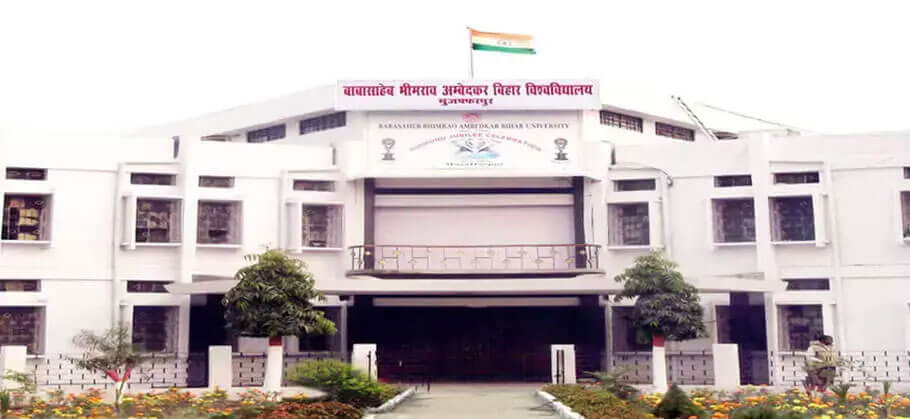
Ph.D. in Journalism And Mass Communication from Babasaheb Bhimrao Ambedkar University: Eligibility, Entrance Exam, Fee Structure, and Career Scope
Introduction about Ph.D. in Journalism And Mass Communication at Babasaheb Bhimrao Ambedkar University
Embarking on a doctoral journey is a transformative experience, and pursuing a Ph.D. in Journalism and Mass Communication at Babasaheb Bhimrao Ambedkar University (BBAU), Lucknow, serves as a gateway to academic excellence and industry leadership. In an era defined by rapid digital transformation and evolving media landscapes, BBAU offers a curriculum designed to foster critical thinking, ethical reporting, and advanced research methodologies. Whether you are aiming to contribute to media theory or revolutionize digital communication, gaining entry into this esteemed program requires meticulous preparation. If you find the initial requirements daunting, our PhD Admission Assistance is here to guide you through every step of the selection process.
Eligibility Criteria for Ph.D. in Journalism And Mass Communication at Babasaheb Bhimrao Ambedkar University
To qualify for the Ph.D. program, candidates must hold a Master?s degree in Journalism, Mass Communication, or related social science disciplines from a recognized university. A minimum of 55% marks (or equivalent CGPA) is generally required, with slight relaxations for reserved categories as per UGC guidelines. If you are refining your academic standing, utilize our Editing and Proofreading Services to ensure your academic profile stands out.
Entrance Exam for Ph.D. in Journalism And Mass Communication at Babasaheb Bhimrao Ambedkar University
Admission is primarily determined by an All-India Entrance Test. The exam evaluates the candidate's research aptitude, analytical skills, and core subject knowledge. For those who have already qualified for UGC-NET (JRF), SET, or M.Phil degrees, there may be exemptions from the written test, though a personal interview remains mandatory. Securing a strong score is vital, and our team provides expert PhD Topic Selection and Proposal Assistance to help you prepare your defense.
Fee Structure for Ph.D. in Journalism And Mass Communication at Babasaheb Bhimrao Ambedkar University
| Category | Estimated Fee (Per Annum) |
|---|---|
| Course Fee | INR 25,000 - 40,000 |
| Registration/Entrance Fee | As per current BBAU notification |
| Library/Lab Charges | Variable |
Admission Process for Ph.D. in Journalism And Mass Communication at Babasaheb Bhimrao Ambedkar University
The process involves an entrance examination followed by a mandatory research proposal presentation before a Departmental Research Committee (DRC). Success in the interview is the final hurdle to receiving an offer letter.
Ph.D. Subjects and Specializations in Journalism And Mass Communication at Babasaheb Bhimrao Ambedkar University
Students can specialize in areas such as Media Ethics, Digital Journalism, Political Communication, Corporate Communication, and Film studies.
Research Areas in Journalism And Mass Communication at Babasaheb Bhimrao Ambedkar University
BBAU encourages interdisciplinary research. Key areas include social media impact analysis, media law, media convergence, and gender representation in media. Our experts can assist in your scholarly pursuits with Research Publication Support to ensure your work reaches global standards.
Documents Required for Ph.D. in Journalism And Mass Communication at Babasaheb Bhimrao Ambedkar University
- Original Marksheets (UG & PG)
- Entrance Exam Scorecard
- Caste/Category Certificate (if applicable)
- Passport-sized photographs
- Statement of Purpose (SOP)
Babasaheb Bhimrao Ambedkar University Ph.D. Syllabus for Journalism And Mass Communication
The coursework typically consists of Research Methodology, Computer Applications in Research, and an advanced review of literature related to Media Studies. If you have a unique discovery in your thesis, consider our Patent Filing and Support Services.
How To Apply for Ph.D. in Journalism And Mass Communication at Babasaheb Bhimrao Ambedkar University
Candidates must apply through the official BBAU online portal during the admission window. Ensure all data is accurate before submission.
Career Scope and Job Opportunities After Ph.D. in Journalism And Mass Communication from Babasaheb Bhimrao Ambedkar University
Graduates find roles as University Professors, Media Consultants, Strategic Communication Heads, and Principal Researchers in reputed think tanks. For professionals aiming for high-level recognition in the industry, we also offer Honorary Doctorate Programs as a recognition of excellence.
Scholarship for Ph.D. in Journalism And Mass Communication at Babasaheb Bhimrao Ambedkar University
University-funded fellowships and UGC-NET JRF are available for meritorious candidates. Students are encouraged to maintain high research output to qualify for monthly stipends.
FAQs Regarding Ph.D. in Journalism And Mass Communication at Babasaheb Bhimrao Ambedkar University
- Is NET mandatory for admission?
- No, but it exempts candidates from the entrance test.
- Can I pursue this program part-time?
- BBAU policies regarding part-time research are updated annually; check the official admission brochure.








