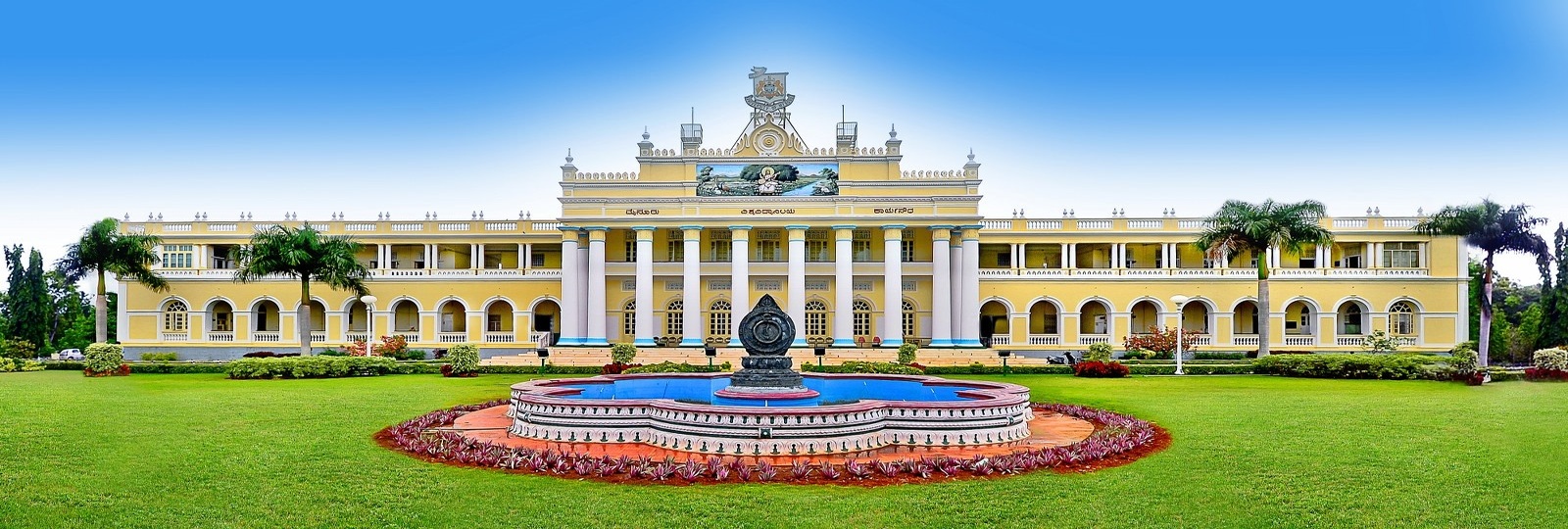
Ph.D. in Journalism and Mass Communication from Mysore University: Eligibility, Entrance Exam, Fee Structure, Admission Process, Subjects, Research Areas, Syllabus, Scholarship & Career Scope
Introduction about Ph.D. in Journalism and Mass Communication at Mysore University
Mysore University, renowned for its robust research ecosystem, offers a Doctoral programme in Journalism and Mass Communication that equips professionals with advanced analytical, theoretical, and practical expertise. This programme is tailored for media scholars, senior journalists, communication strategists, and academicians who aspire to lead research, shape policy, and innovate in the rapidly evolving media landscape. With a blend of interdisciplinary coursework, rigorous research methodology, and access to state‑of‑the‑art resources, candidates emerge as thought‑leaders capable of influencing both academia and industry.
Eligibility Criteria for Ph.D. in Journalism and Mass Communication at Mysore University
- Master’s degree (M.A./M.Sc.) in Journalism, Mass Communication, Media Studies or a related discipline with minimum 55% aggregate (or equivalent CGPA of 6.0/10).
- Holders of a recognized professional qualification (e.g., PG Diploma in Journalism) with at least 60% marks are also eligible.
- Candidates must have a valid PhD Admission Assistance certificate or a UGC‑NET/CSIR‑NET qualification (optional but advantageous).
- Minimum age limit: No upper age limit; candidates must meet the academic standards.
- English language proficiency (IELTS/TOEFL) is required for international applicants.
Entrance Exam for Ph.D. in Journalism and Mass Communication at Mysore University
The university conducts a two‑stage entrance process:
- Written Test (Online) – 100 marks covering Research Methodology, Media Theory, Statistics, and English proficiency.
- Interview & Viva‑voce – Evaluation of research proposal, academic background, and suitability for doctoral research.
Candidates with a valid UGC‑NET/CSIR‑NET score are exempted from the written test and directly proceed to the interview round.
Fee Structure for Ph.D. in Journalism and Mass Communication at Mysore University
| Component | Indian Residents (INR) | International Residents (USD) |
|---|---|---|
| Application & Processing Fee | 2,500 | 35 |
| Annual Tuition Fee | 12,000 | 180 |
| Research Materials & Lab Charges | 3,000 | 45 |
| Examination & Evaluation Fee (per year) | 1,500 | 22 |
| Total (approx. 3‑year program) | 45,000 | 660 |
Note: Scholarships, research grants, and assistantships can significantly reduce the out‑of‑pocket cost.
Admission Process for Ph.D. in Journalism and Mass Communication at Mysore University
- Online application submission through the university portal.
- Upload scanned copies of academic transcripts, degree certificates, and identity proof.
- Pay the non‑refundable application fee.
- Schedule and appear for the written entrance test (if applicable).
- Submit a detailed research proposal (max 2,000 words) – candidates may seek PhD Topic Selection and Proposal Assistance here.
- Participate in the interview & viva‑voce.
- Receive the admission offer letter and pay the first-year tuition fee.
- Register for courses and begin research under the guidance of a faculty supervisor.
Ph.D. Subjects and Specializations in Journalism and Mass Communication at Mysore University
The doctoral program offers the following specializations, allowing candidates to align their research with industry trends and academic gaps:
- Media Ethics & Governance
- Digital Journalism & New Media
- Communication Policy & Regulation
- Public Relations & Corporate Communication
- Media Management & Entrepreneurship
- Social Media Analytics & Audience Studies
- Film, Television & Documentary Studies
Research Areas in Journalism and Mass Communication at Mysore University
Mysore University encourages interdisciplinary research that contributes to both theory and practice. Prominent research domains include:
- Impact of AI and automation on news production.
- Fake news detection and verification mechanisms.
- Media influence on public health communication.
- Intersection of media, culture, and identity in South India.
- Audience engagement metrics in multi‑platform environments.
- Legal frameworks governing digital broadcasting.
- Sustainable models for community journalism.
Students can also collaborate with industry partners for case‑based studies, and receive Research Publication Support to disseminate findings in indexed journals.
Documents Required for Ph.D. in Journalism and Mass Communication at Mysore University
| Document | Details |
|---|---|
| Application Form (online) | Completed with personal & academic details. |
| Mark Sheets & Degree Certificates | Original and scanned copies of all postgraduate qualifications. |
| Research Proposal | 2,000‑word document outlining objectives, methodology, and expected contribution. |
| Curriculum Vitae (CV) | Professional experience, publications, and research interests. |
| Identity Proof | Aadhaar / Passport (photocopy). |
| Experience Letters (if applicable) | From media houses or research organisations. |
| Letter of Recommendation (2) | From academic supervisors or senior professionals. |
Mysore University Ph.D. Syllabus for Journalism and Mass Communication
The syllabus is structured into core modules, elective streams, and research milestones:
- Core Modules (Year 1)
- Research Methodology & Statistics
- Advanced Media Theory
- Ethics, Law & Policy in Media
- Elective Streams (Year 2)
- Digital Content Creation
- Media Management & Entrepreneurship
- Public Relations Strategy
- Research Milestones
- Literature Review (by end of Year 1)
- Research Proposal Defense (early Year 2)
- Data Collection & Analysis (mid‑Year 2)
- Thesis Writing & Submission (by end of Year 3)
- Final Viva‑voce & Publication.
How To Apply for Ph.D. in Journalism and Mass Communication at Mysore University
Follow these step‑by‑step instructions to submit a successful application:
- Visit the official Mysore University Ph.D. portal and create a user account.
- Fill in the online application form with accurate personal, academic, and professional details.
- Upload the required documents (refer to the Documents Required table).
- Pay the application fee through the secure gateway.
- Schedule your written test (if required) and prepare a concise research proposal.
- After the written test, book the interview slot and attend with all original certificates.
- Upon selection, download the admission offer, pay the first-year tuition, and register for the semester.
Career Scope and Job Opportunities After Ph.D. in Journalism and Mass Communication from Mysore University
Graduates enjoy diverse career pathways, including:
- Senior Research Fellow / Associate Professor in leading universities.
- Chief Editor or Editorial Director in national/international media houses.
- Media Policy Analyst for government bodies or NGOs.
- Strategic Communication Manager in corporate or public sector.
- Consultant for digital transformation projects in news organisations.
- Independent media entrepreneur launching start‑ups, podcasts, or digital news platforms.
- Thought‑leader and speaker at global media conferences.
The robust research training also opens avenues for grant‑funded projects, think‑tank collaborations, and high‑impact publications, further enhancing professional visibility.
Scholarship for Ph.D. in Journalism and Mass Communication at Mysore University
Several financial assistance schemes are available:
- University Merit Scholarships – Awarded based on academic excellence (up to 50% tuition waiver).
- UGC/CSIR Doctoral Fellowships – Inclusive of stipends, travel, and research allowances.
- Industry‑Sponsored Scholarships – Partnerships with media conglomerates offering project‑based funding.
- State Government Scholarships – For candidates from economically weaker sections.
- Recipients of the Editing and Proofreading Services may also avail discounted rates for thesis editing.
FAQs Regarding Ph.D. in Journalism and Mass Communication at Mysore University
- 1. What is the minimum duration to complete the Ph.D.?
- The programme is designed for a minimum of three years of full‑time study, extendable up to six years with valid reasons.
- 2. Is work experience considered during admission?
- Yes. Professional experience in journalism, media research, or related fields








