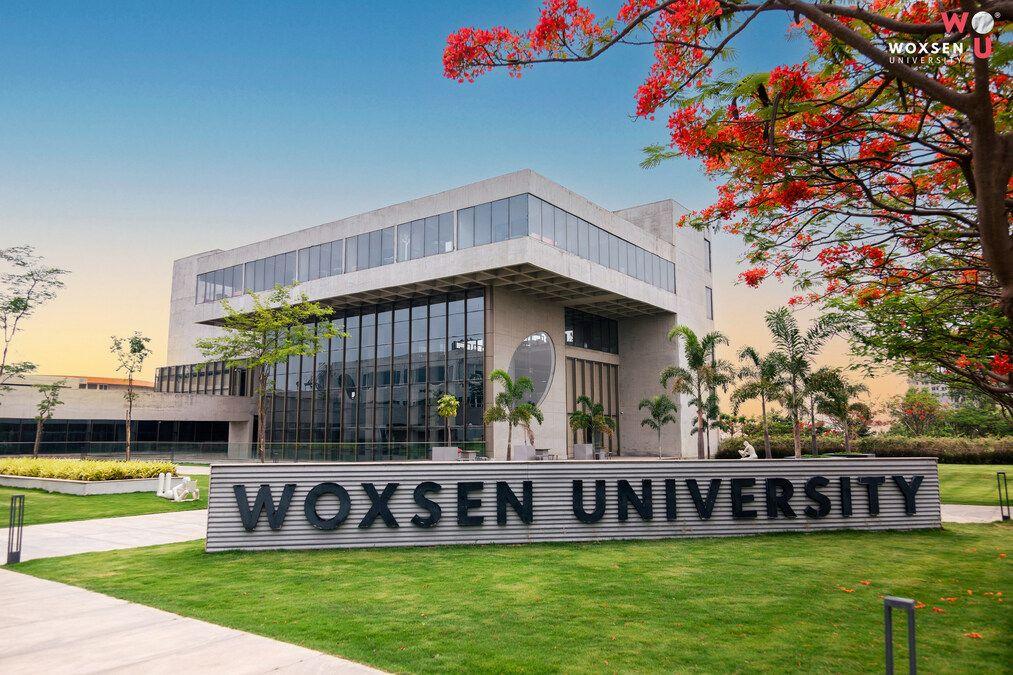
Introduction about Ph.D. in Journalism And Mass Communication at Woxsen University
Woxsen University has established itself as a forward‑thinking institution that nurtures research excellence in the dynamic fields of journalism and mass communication. The doctoral programme is meticulously designed for experienced professionals and academicians who aspire to become thought leaders, policy influencers, and innovators in media studies, digital journalism, strategic communication, and related domains. By blending rigorous scholarship with real‑world relevance, Woxsen equips its Ph.D. candidates with the analytical tools and ethical framework required to shape the future of information ecosystems.
Eligibility Criteria for Ph.D. in Journalism And Mass Communication at Woxsen University
Prospective candidates must satisfy the following baseline requirements:
- Master’s degree in Journalism, Mass Communication, Media Studies, or any allied discipline with a minimum of 55% aggregate (or equivalent CGPA).
- Alternatively, candidates holding a bachelor’s degree with a minimum of 60% may apply if they have substantive research experience or publications.
- Valid score in a recognized entrance examination (Woxsen Ph.D. Entrance Test, UGC‑NET, CSIR‑UGC NET, or equivalent).
- Proficiency in English (minimum IELTS 6.0 or TOEFL 80 for non‑English graduates).
- Clear academic record with no pending disciplinary actions.
Entrance Exam for Ph.D. in Journalism And Mass Communication at Woxsen University
Woxsen conducts a comprehensive entrance assessment that evaluates:
- Research aptitude and methodology.
- Subject‑specific knowledge covering media theory, ethics, digital journalism, and communication research.
- Critical reasoning and analytical writing skills.
Candidates who have cleared national-level exams such as UGC‑NET or CSIR‑NET are exempted from the university‑specific test. Detailed syllabi and sample papers are available on the university’s official portal.
Fee Structure for Ph.D. in Journalism And Mass Communication at Woxsen University
| Component | Annual Fee (INR) | One‑Time Charges |
|---|---|---|
| Tuition & Coursework | 1,20,000 | — |
| Laboratory & Resource Fees | 30,000 | — |
| Library & Digital Subscriptions | 10,000 | — |
| Registration & Administration | — | 15,000 |
| Hostel (optional) | — | 80,000 (per annum) |
| Total (excluding hostel) | 1,60,000 | 15,000 |
Admission Process for Ph.D. in Journalism And Mass Communication at Woxsen University
The admission journey is streamlined into four distinct phases:
- Online Application: Fill out the digital form, upload academic transcripts, research proposal, and pay the non‑refundable application fee.
- Eligibility Screening: The admissions committee reviews academic credentials and prior research work.
- Entrance Examination & Interview: Qualified candidates appear for the entrance test followed by a personal interview with faculty experts.
- Final Offer & Enrollment: Successful candidates receive an official admission letter and are guided through fee payment and registration.
Ph.D. Subjects and Specializations in Journalism And Mass Communication at Woxsen University
Woxsen offers a range of specializations to align with contemporary industry demands:
- Digital Journalism & New Media
- Strategic Communication & Public Relations
- Media Ethics & Policy Studies
- Broadcast & Multimedia Production
- Audience Analytics & Data‑Driven Reporting
Research Areas in Journalism And Mass Communication at Woxsen University
Faculty‑guided research clusters focus on high‑impact topics such as:
- Fake news detection and misinformation mitigation.
- AI‑augmented storytelling and automated content creation.
- Media influence on public health communication.
- Cross‑cultural media effects and globalization.
- Sustainable journalism practices and community media.
Documents Required for Ph.D. in Journalism And Mass Communication at Woxsen University
Applicants must submit the following set of documents in PDF format:
| Document | Details |
|---|---|
| Academic Transcripts | All semesters of postgraduate (and undergraduate if applicable) degrees. |
| Degree Certificates | Original certificates with attested copies. |
| Research Proposal | 500–800 words outlining objectives, methodology, and expected contribution. |
| Entrance Exam Scorecard | UGC‑NET, CSIR‑NET, or Woxsen Ph.D. Entrance Test result. |
| English Proficiency Proof | IELTS/TOEFL scores for non‑English graduates. |
| Curriculum Vitae (CV) | Professional experience, publications, and conference presentations. |
| Two Academic References | Letters from professors or industry mentors. |
Woxsen University Ph.D. Syllabus for Journalism And Mass Communication
The syllabus is divided into three core segments:
- Foundational Coursework (Year 1): Research methodology, advanced media theory, quantitative & qualitative analysis, ethics in journalism.
- Specialized Modules (Year 2): Choose from the listed specializations; each module includes seminars, workshops, and field projects.
- Dissertation (Years 2‑4): Original research under faculty supervision, culminating in a publishable thesis.
How To Apply for Ph.D. in Journalism And Mass Communication at Woxsen University
Follow these steps to submit a successful application:
- Visit the official Woxsen University admissions portal.
- Create a user account and complete the online application form.
- Upload all required documents (refer to the “Documents Required” table).
- Pay the INR 5,000 application fee via credit/debit card or net banking.
- Submit the application and note the reference number for future correspondence.
- Prepare for the entrance test and schedule the interview after the eligibility shortlisting.
Career Scope and Job Opportunities After Ph.D. in Journalism And Mass Communication from Woxsen University
Graduates of the doctoral programme are well‑positioned for senior roles such as:
- Chief Editorial Officer / Executive Editor in leading media houses.
- Head of Strategic Communication in multinational corporations.
- Professor or Research Fellow at top universities and think‑tanks.
- Policy Analyst specializing in media regulation and public information.
- Founder of digital news platforms, media startups, or consultancy firms.
Industry collaborations and alumni networks further facilitate placements and research grants.
Scholarship for Ph.D. in Journalism And Mass Communication at Woxsen University
Woxsen offers merit‑based and need‑based scholarships covering up to 50% of tuition fees. Additional funding sources include:
- UGC‑JRF (Junior Research Fellowship) for qualifying candidates.
- Corporate-sponsored research grants in areas like AI‑driven journalism.
- International fellowships for cross‑border media research projects.
FAQs Regarding Ph.D. in Journalism And Mass Communication at Woxsen University
- Q: Can a candidate with a bachelor's degree directly apply?
- A: Yes, if the candidate has a minimum of 60% aggregate and demonstrable research experience or publications.
- Q: How long does the Ph.D. programme typically take?
- A: The full‑time programme spans 4 years, while a part‑time option can extend up to 6 years.
- Q: Is there a provision for industry‑sponsored research?
- A: Woxsen maintains partnerships with leading media houses and corporations that fund collaborative research projects.
- Q: What is the language of instruction?
- A: All coursework and dissertation work are conducted in English.
- Q: Are there opportunities for publishing during the Ph.D.?
- A: Absolutely. Students are encouraged to submit papers to indexed journals and present at international conferences.
Professional Support Services
During your doctoral journey, you may need expert assistance with your research deliverables. Woxsen University recommends the following trusted services:








