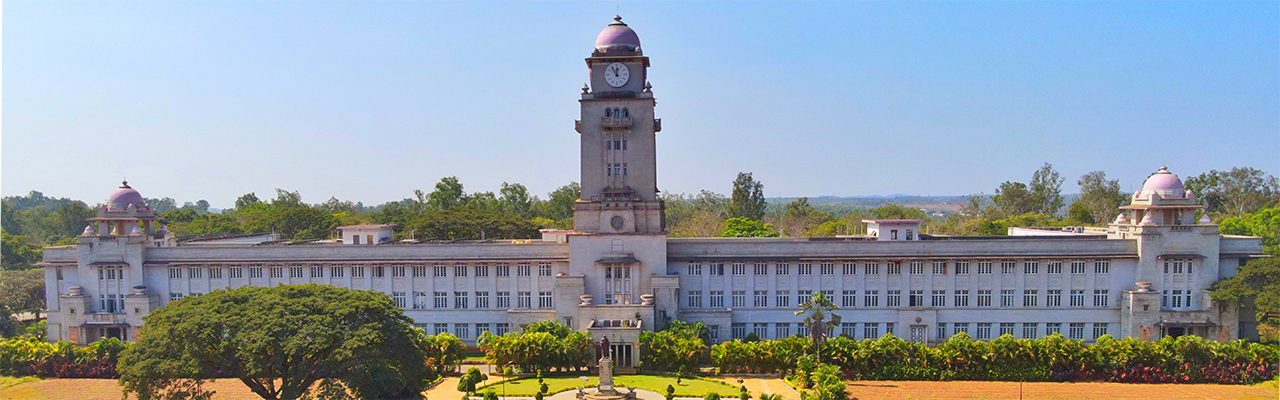
Ph.D. in Journalism And Mass Communication from Karnataka University: Eligibility, Entrance Exam, Fee Structure, Admission Process, Subjects, Research Areas, Syllabus, Scholarship & Career Scope
Introduction about Ph.D. in Journalism And Mass Communication at Karnataka University
Embarking on a doctoral journey in Journalism and Mass Communication at Karnataka University offers a transformative platform for professionals eager to shape the future of media, public discourse, and digital storytelling. The program blends rigorous research methodology with contemporary media theory, empowering scholars to contribute original insights that influence policy, practice, and academia. Whether you aim to become a thought leader, a university professor, or a strategic consultant for media houses, this Ph.D. equips you with the analytical depth and creative vision needed to thrive in an ever?evolving communication landscape.
Ph.D Admission 2026-2027 & Writing Support Services by Shiksha Research
Eligibility Criteria for Ph.D. in Journalism And Mass Communication at Karnataka University
Prospective candidates must meet the following baseline requirements:
- A master?s degree (M.A./M.Sc.) in Journalism, Mass Communication, Media Studies, or a closely related discipline from a recognized university.
- Minimum aggregate of 55% (or equivalent grade) in the qualifying postgraduate program. Relaxations apply for SC/ST/PH categories as per university norms.
- Clearance of the University?s eligibility test (UET) or an equivalent national-level test such as UGC NET, CSIR NET, or JRF.
- Proficiency in English and the regional language (Kannada) for research dissemination.
Entrance Exam for Ph.D. in Journalism And Mass Communication at Karnataka University
Karnataka University conducts a two?stage entrance assessment:
- Written Test: A 100?minute paper covering research methodology, media theory, quantitative & qualitative analysis, and subject?specific concepts.
- Interview & VIVA: A panel interview evaluates research proposal robustness, academic aptitude, and alignment with faculty expertise.
Candidates who have qualified national level examinations (UGC NET, JRF, etc.) are exempted from the written test but must appear for the interview.
Fee Structure for Ph.D. in Journalism And Mass Communication at Karnataka University
| Component | Amount (INR) | Notes |
|---|---|---|
| Application & Processing Fee | 2,500 | Non?refundable; payable online |
| Eligibility Test (UET) Fee | 3,000 | Waived for NET/JRF qualifiers |
| Annual Tuition & Laboratory Charges | 15,000 per year | Applicable for the first two years |
| Research Guidance & Library Fee | 5,000 per year | Includes access to digital archives |
| Final Thesis Submission Fee | 4,000 | One?time payment upon successful defense |
Admission Process for Ph.D. in Journalism And Mass Communication at Karnataka University
The admission cycle follows these systematic steps:
- Online application submission via the university?s portal.
- Upload of scanned copies of academic transcripts, mark sheets, and identity proof.
- Payment of the application fee and, where applicable, the eligibility test fee.
- Submission of a detailed research proposal (max 2,500 words).
- Shortlisting based on academic merit and proposal relevance.
- Written test (if required) followed by the interview and VIVA.
- Final admission letter with registration details and fee payment instructions.
Ph.D. Subjects and Specializations in Journalism And Mass Communication at Karnataka University
The doctoral programme offers a range of specializations, allowing you to align your research with industry demands and personal interests:
- Digital Media & New Media Technologies
- Media Ethics and Regulation
- Public Relations and Corporate Communication
- Broadcast Journalism and Television Studies
- Communication Policy and Development Studies
- Audience Research and Media Effects
Research Areas in Journalism And Mass Communication at Karnataka University
Faculty members actively supervise research in the following cutting?edge domains:
- Impact of AI and Automation on News Production
- Social Media Influencer Culture and Public Opinion Formation
- Media Literacy in Rural and Urban Communities
- Gender Representation in Indian Television and Film
- Political Communication during Electoral Cycles
- Data Journalism and Investigative Reporting Techniques
Documents Required for Ph.D. in Journalism And Mass Communication at Karnataka University
| Document | Format | Remarks |
|---|---|---|
| Completed Application Form | PDF (online) | Signature required |
| Academic Transcripts & Degree Certificates | PDF (scanned) | From all qualifying degrees |
| Eligibility Test Score Card (UGC NET / JRF / UET) | Original copy for verification | |
| Research Proposal (2,500 words max) | DOCX or PDF | Include objectives, methodology, and literature review |
| Curriculum Vitae (CV) | Highlight publications and professional experience | |
| Proof of Identity (Aadhaar / Passport) | Government?issued |
Karnataka University Ph.D. Syllabus for Journalism And Mass Communication
The syllabus is structured to develop both theoretical foundations and practical research competencies:
- Semester 1: Research Methodology, Advanced Media Theories, Statistics for Social Sciences.
- Semester 2: Ethics in Journalism, Digital Content Production, Qualitative Data Analysis.
- Semester 3: Specialized Electives (choose two) ? e.g., Media Law, Audience Measurement, Communication Policy.
- Semester 4: Thesis Development Workshops, Publication Writing, Conference Presentation Skills.
- Semesters 5?8: Independent research, periodic progress reviews, and final thesis submission.
How To Apply for Ph.D. in Journalism And Mass Communication at Karnataka University
Follow this concise step?by?step guide to secure your seat:
- Visit the official Karnataka University admission portal and click on ?Ph.D. Admissions 2026?.
- Register using a valid email address and create a strong password.
- Complete the personal and academic sections; upload required documents (as listed in the Documents table).
- Pay the application fee through net banking, credit/debit card, or UPI.
- Submit your research proposal. If you need assistance, consider professional services such as PhD Topic Selection and Proposal Assistance.
- Monitor your email for the eligibility test invitation or interview schedule.
- After successful clearance, accept the admission offer and remit the first year?s tuition fees.
Career Scope and Job Opportunities After Ph.D. in Journalism And Mass Communication from Karnataka University
Graduates enjoy a broad spectrum of high?impact roles:
- Academia: Lecturer, Assistant Professor, Research Fellow, Department Head.
- Media Industry: Senior Editor, Content Strategist, Media Analyst, Chief Communications Officer.
- Research Institutes & Think Tanks: Policy Analyst, Project Lead for media?focused studies.
- Public Sector & NGOs: Media Relations Manager, Communication Consultant for development programmes.
- Entrepreneurship: Founder of digital news platforms, media consultancy firms, or content?creation agencies.
The blend of scholarly rigor and industry relevance ensures that Ph.D. holders are sought after for leadership positions that shape public narratives and drive innovation.
Scholarship for Ph.D. in Journalism And Mass Communication at Karnataka University
Karnataka University, in collaboration with state and central bodies, offers the following financial aids:
- University Merit Scholarship: Up to 50% tuition waiver for students with ?70% in their master?s degree.
- UGC Junior Research Fellowship (JRF): Annual stipend of INR 31,000 plus contingency funds.
- State Government Stipend: INR 12,000 per month for residents of Karnataka.
- External Grants: Opportunities through the Indian Council of Social Science Research (ICSSR) and international media foundations.
Applicants are encouraged to explore additional support from private entities, such as Editing and Proofreading Services, to enhance the quality of their dissertation and increase eligibility for research grants.
FAQs Regarding Ph.D. in Journalism And Mass Communication at Karnataka University
- Q: Can a working professional enroll in the Ph.D. program?
- A: Yes. The university offers a part?time option that allows candidates to attend weekly seminars while continuing their employment.
- Q: Is there a minimum age limit?
- A: No specific age restriction exists; however, candidates must meet the academic eligibility criteria.
- Q: How long does it take to complete the doctorate?
- A: Typically 4?5 years, depending on the research scope and whether the candidate opts for full?time or part?time mode.
- Q: Are publications mandatory before thesis submission?
- A: While not compulsory, the university strongly recommends at least one peer?reviewed article to enhance the thesis?s scholarly impact.
- Q: What support does the university provide for conference participation?
- A: Eligible








