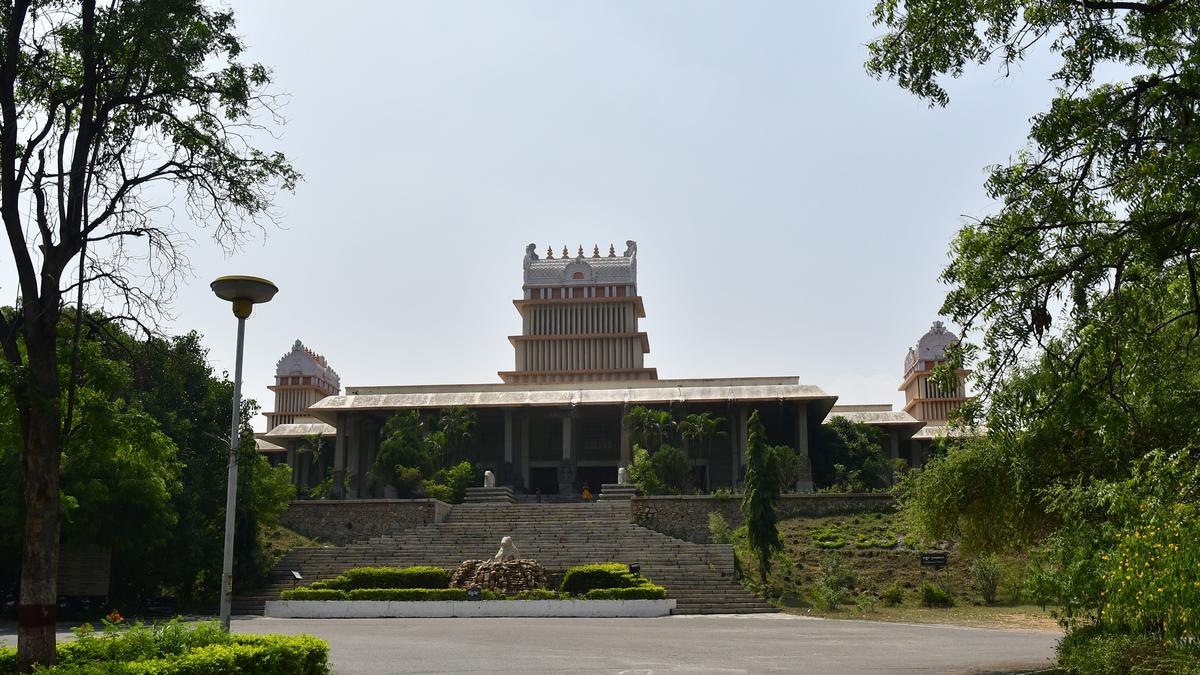
Introduction about Ph.D. in Kannada at Kannada University
Kannada University, a premier institution devoted to the preservation and advancement of Kannada language, literature, and culture, offers a rigorous Doctor of Philosophy (Ph.D.) programme. This research‑intensive degree empowers professionals, academicians, and language enthusiasts to contribute original scholarship that shapes the future of Kannada studies. Whether you aspire to become a university professor, a literary researcher, or a policy adviser, a Ph.D. in Kannada from Kannada University provides a solid foundation for a distinguished career.
Ph.D Admission 2026-2027 & Writing Support Services by Shiksha Research
Embarking on this journey demands a clear understanding of eligibility, entrance examinations, fee structures, and the myriad specializations that the university supports. The following sections detail every essential aspect, helping you plan an inspiring academic path.
Eligibility Criteria for Ph.D. in Kannada at Kannada University
Prospective candidates must satisfy the following minimum requirements:
- Possess a Master’s degree (M.A.) in Kannada or a closely related discipline with at least 55% aggregate (50% for SC/ST/OBC).
- Clear the university‑conducted Ph.D. entrance test OR possess a National Eligibility Test (NET) qualification in Kannada.
- Demonstrate proficiency in research methodology through a written statement of purpose (SOP) and a research proposal.
- Maintain a clean academic record with no pending disciplinary actions.
Entrance Exam for Ph.D. in Kannada at Kannada University
The entrance examination evaluates candidates on:
- Language proficiency and literary analysis.
- Research methodology and statistics.
- Subject‑specific knowledge in Kannada literature, linguistics, folklore, or cultural studies.
The test comprises a written component (120 minutes) and an interview (30 minutes). Successful candidates receive a merit‑based score that determines eligibility for scholarships and funding.
Fee Structure for Ph.D. in Kannada at Kannada University
| Fee Component | Amount (INR) |
|---|---|
| Application & Registration Fee | 2,500 |
| Annual Tuition Fee (per year) | 12,000 |
| Laboratory & Resource Fees | 3,000 |
| Examination & Evaluation Fee | 1,500 |
| Total Approx. Cost for 3‑Year Program | 45,000 |
Financial assistance is available through university scholarships, central government fellowships, and the below-mentioned Editing and Proofreading Services for dissertation polishing.
Admission Process for Ph.D. in Kannada at Kannada University
- Online registration on the university portal.
- Upload scanned copies of academic transcripts, NET/SET scores, and a research proposal.
- Pay the non‑refundable application fee.
- Appear for the entrance examination on the scheduled date.
- Participate in the interview and proposal defense.
- Receive the admission offer letter via email.
- Complete enrollment by submitting the required documents and paying the first year’s tuition.
For personalized guidance, candidates often seek PhD Admission Assistance to streamline the process.
Ph.D. Subjects and Specializations in Kannada at Kannada University
The university offers a diverse range of research streams. Select a specialization that aligns with your career aspirations:
- Classical Kannada Literature
- Modern Kannada Poetry and Prose
- Kannada Linguistics and Phonetics
- Folklore, Oral Traditions, and Cultural Anthropology
- Translation Studies and Comparative Literature
- Digital Humanities and Kannada Computing
Research Areas in Kannada at Kannada University
Faculty mentors lead cutting‑edge projects in the following domains:
- Manuscript preservation and epigraphy
- Dialectology and language policy
- Gender studies in Kannada literature
- Environmental narratives in regional texts
- Computational linguistics for Kannada OCR and NLP
- Inter‑cultural literary exchanges between Kannada and other Indian languages
Students can also benefit from Research Publication Support to disseminate their findings in high‑impact journals.
Documents Required for Ph.D. in Kannada at Kannada University
| Document | Details |
|---|---|
| Completed Application Form | Online submission with signature |
| Academic Transcripts | Original and scanned copies of M.A. degree |
| NET/SET Scorecard | If applicable |
| Research Proposal | 2,000‑word outline with objectives and methodology |
| Curriculum Vitae (CV) | Professional and academic achievements |
| Identity Proof | Aadhaar card or passport |
| Passport‑Size Photographs | Four recent color photos |
Applicants often consult PhD Topic Selection and Proposal Assistance to refine their research themes before submission.
Kannada University Ph.D. Syllabus for Kannada
The syllabus is designed to develop advanced analytical skills and original research capabilities. Core components include:
- Research Methodology and Design (2 credits)
- Advanced Topics in Kannada Literature (3 credits)
- Language Technology & Digital Archives (2 credits)
- Seminar Series and Guest Lectures (1 credit)
- Thesis Work (12 credits, spread over 3 years)
Each semester also incorporates a short‑term workshop on academic writing, where students might use Patent Filing and Support Services for research innovations.
How To Apply for Ph.D. in Kannada at Kannada University
Follow the step‑by‑step guide below to submit a successful application:
- Visit the official Kannada University admissions portal.
- Create a user account and fill in personal and academic details.
- Upload the required documents (see “Documents Required” section).
- Pay the application fee through net banking or UPI.
- Schedule the entrance exam date and print the admit card.
- Prepare for the exam by revisiting key literary texts and research methodology.
- After the exam, monitor the result portal for merit lists.
- If shortlisted, attend the interview and submit the final thesis proposal.
- Accept the admission offer and complete enrollment formalities.
Career Scope and Job Opportunities After Ph.D. in Kannada from Kannada University
A doctorate in Kannada opens doors to a spectrum of rewarding careers:
- Academia: Lecturer, Assistant Professor, Associate Professor, and Full Professor in universities and colleges across India.
- Research Institutes: Senior research fellow, project director, or language policy analyst in cultural ministries and think tanks.
- Publishing & Media: Editorial head for regional language publishing houses, content strategist for digital platforms, and scriptwriter for Kannada cinema.
- Government & NGOs: Language planning officer, cultural heritage consultant, or program manager for language preservation NGOs.
- Corporate Sector: Linguistic data analyst, localization specialist, and AI‑driven language technology consultant.
Alumni also frequently engage in international collaborations, attending conferences, and delivering keynote speeches on South Indian linguistic heritage.
Scholarship for Ph.D. in Kannada at Kannada University
Financial aid options include:
- University Merit Scholarships (full tuition waiver for top 10% of candidates).
- UGC Doctoral Fellowship (₹31,000 per month).
- State Government Research Grants for Kannada Language Preservation.
- Private foundations offering project‑based fellowships.
Eligibility is typically based on academic performance, research proposal quality, and socio‑economic criteria.
FAQs Regarding Ph.D. in Kannada at Kannada University
- 1. How long does the Ph.D. programme take?
- The standard duration is three years, subject to satisfactory progress and timely submission of the thesis.
- 2. Is a NET qualification mandatory?
- NET or SET qualification is preferred but not compulsory if you clear the university’s entrance test with a high score.
- 3. Can working professionals enroll part‑time?
- Yes, the university offers a part‑time mode for eligible candidates who can attend weekend seminars and submit work electronically.
- 4. What is the language of instruction?
- All coursework and examinations are conducted in Kannada, though research literature may be consulted in English.
- 5. Are there opportunities for international collaboration?
- Kannada University maintains MoUs with several global institutions for joint research projects and exchange programmes.








