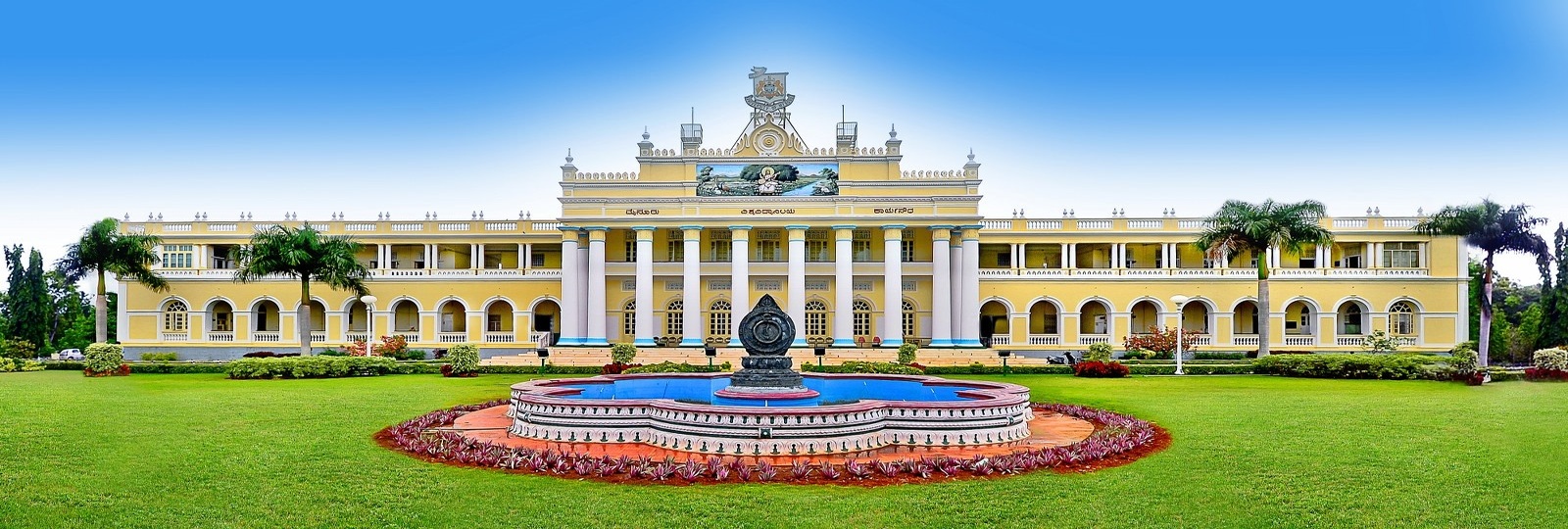
Ph.D. in Kannada from Mysore University
Introduction about Ph.D. in Kannada at Mysore University
Pursuing a Doctor of Philosophy in Kannada at the prestigious Mysore University opens a gateway to become a thought leader in Kannada language, literature, and cultural studies. Designed for seasoned professionals and academicians, this program blends rigorous research methodology with a deep appreciation for Karnataka’s literary heritage. Whether you aim to become a university professor, a research analyst, or a cultural policy consultant, the Ph.D. in Kannada equips you with scholarly expertise and a platform to influence future generations.
Eligibility Criteria for Ph.D. in Kannada at Mysore University
- Master’s degree (M.A.) in Kannada or a related discipline with at least 55% marks (50% for reserved categories).
- Valid score in the university’s Ph.D. entrance test or an equivalent national level exam (e.g., UGC NET, CSIR NET).
- Minimum of two years of teaching/research experience is preferred but not mandatory.
- Ability to articulate a clear research proposal that aligns with the university’s research priorities.
Entrance Exam for Ph.D. in Kannada at Mysore University
The entrance examination evaluates candidates on:
- General Aptitude – Logical reasoning, analytical skills.
- Subject Knowledge – History of Kannada literature, linguistic theory, contemporary literary criticism.
- Research Methodology – Understanding of qualitative and quantitative research techniques.
Candidates who have cleared UGC NET (Paper II) in Kannada are exempted from the university’s written test but must appear for the interview.
Fee Structure for Ph.D. in Kannada at Mysore University
| Component | Amount (INR) | Notes |
|---|---|---|
| Application Fee | 2,000 | Non‑refundable, payable online. |
| Admission Fee | 10,000 | One‑time payment after selection. |
| Annual Tuition & Lab Charges | 12,000 per year | Applicable for the first 3 years. |
| Library & Resource Centre Fee | 1,500 per year | Includes access to rare manuscripts. |
| Miscellaneous (Stationery, Printing) | 2,000 per year | Estimated cost. |
| Total (Approx.) | 39,500 (first year) 31,500 (subsequent years) |
Excludes scholarship deductions. |
Admission Process for Ph.D. in Kannada at Mysore University
- Complete the online application form on the university portal.
- Upload scanned copies of academic transcripts, ID proof, and passport‑size photograph.
- Pay the application fee through the secure gateway.
- Appear for the entrance examination (or submit UGC NET score).
- Participate in the personal interview and research proposal presentation.
- Receive the admission offer letter and submit the admission fee within the stipulated time.
- Register for the first semester and begin coursework and research work.
Ph.D. Subjects and Specializations in Kannada at Mysore University
The program offers a range of specializations to suit diverse research interests:
- Classical Kannada Literature
- Modern and Post‑Modern Kannada Poetry
- Kannada Linguistics and Phonetics
- Folklore Studies and Oral Traditions
- Translation Studies – Kannada to English and vice‑versa
- Digital Humanities in Kannada
Research Areas in Kannada at Mysore University
Key research domains encouraged by the department include:
- Comparative literary analysis between Kannada and other Dravidian languages.
- Impact of globalization on regional narratives.
- Preservation of endangered dialects through audio‑visual archives.
- Gender representation in Kannada literature.
- Application of computational linguistics in Kannada text mining.
Documents Required for Ph.D. in Kannada at Mysore University
| Document | Format | Remarks |
|---|---|---|
| Academic Transcripts (M.A.) | PDF (scanned) | Original and attested copy. |
| UGC NET / Equivalent Scorecard | If applicable. | |
| Research Proposal (5‑10 pages) | DOCX or PDF | Include objectives, methodology, and bibliography. |
| Identity Proof (Aadhar/Passport) | Valid government ID. | |
| Photograph | JPEG, 3.5 x 4.5 cm | White background. |
Mysore University Ph.D. Syllabus for Kannada
The syllabus is structured into three phases:
- Phase I – Coursework (6 months): Research methodology, advanced literary theory, and language technology.
- Phase II – Comprehensive Examination (1 year): Written and oral exams covering core subjects and specialization topics.
- Phase III – Thesis Submission (2–3 years): Original research, peer‑reviewed publications, and final viva‑voce.
How To Apply for Ph.D. in Kannada at Mysore University
Follow these concise steps to submit a successful application:
- Visit the official Mysore University Ph.D. portal and create a new user account.
- Fill in personal and academic details accurately.
- Upload the required documents as mentioned in the Documents Required section.
- Pay the application fee using debit/credit card or net‑banking.
- Schedule your entrance test date and keep the confirmation slip handy.
- Prepare a compelling research proposal – you may seek PhD Topic Selection and Proposal Assistance for professional guidance.
- After selection, download the admission form, sign it, and submit it alongside the admission fee.
Career Scope and Job Opportunities After Ph.D. in Kannada from Mysore University
A doctorate in Kannada unlocks a spectrum of career avenues:
- Academia: Associate/Full Professor, Department Head, Research Fellow.
- Research Institutions: Senior Researcher at linguistic labs, cultural heritage centers.
- Publishing & Media: Editorial roles in literary magazines, content strategist for regional media houses.
- Government & NGOs: Policy analyst for language preservation, cultural program coordinator.
- Digital Entrepreneurship: Founder of e‑learning platforms for Kannada language courses.
According to recent surveys, the demand for scholars proficient in regional languages has grown by 18% over the past five years, making this doctorate a high‑impact investment.
Scholarship for Ph.D. in Kannada at Mysore University
Financial assistance is available through multiple channels:
- University Merit Scholarship: Covers tuition fees for 2‑3 years based on academic excellence.
- UGC Junior Research Fellowship (JRF): Annual stipend of INR 31,000 plus contingency.
- State Government Cultural Grants: Specific to research on Karnataka’s heritage.
- Additional support can be obtained via Research Publication Support programs that waive processing fees for journal articles.
FAQs Regarding Ph.D. in Kannada at Mysore University
- 1. Can I enroll in the Ph.D. program part‑time while working?
- Yes, the university offers a part‑time mode with flexible coursework schedules, but the research timeline may extend to 5‑6 years.
- 2. Is there a provision for foreign nationals?
- International candidates must possess an equivalent master’s degree and meet the language proficiency requirements.
- 3. How many publications are required before thesis submission?
- At least two peer‑reviewed journal articles in indexed journals are recommended; however, this is not mandatory.
- 4. What is the role of Editing and Proofreading Services in my doctoral journey?
- Professional editing can enhance the clarity and impact of your thesis and publications, increasing acceptance rates.
- 5. Can I apply for Honorary Doctorate Programs after completing my Ph.D.?
- Yes, distinguished scholars may be considered for honorary doctorates based on their contributions to Kannada studies.
- 6. How can I protect my research inventions?
- The university’s Patent Filing and Support Services assist candidates in filing patents for innovative linguistic tools or digital platforms.








