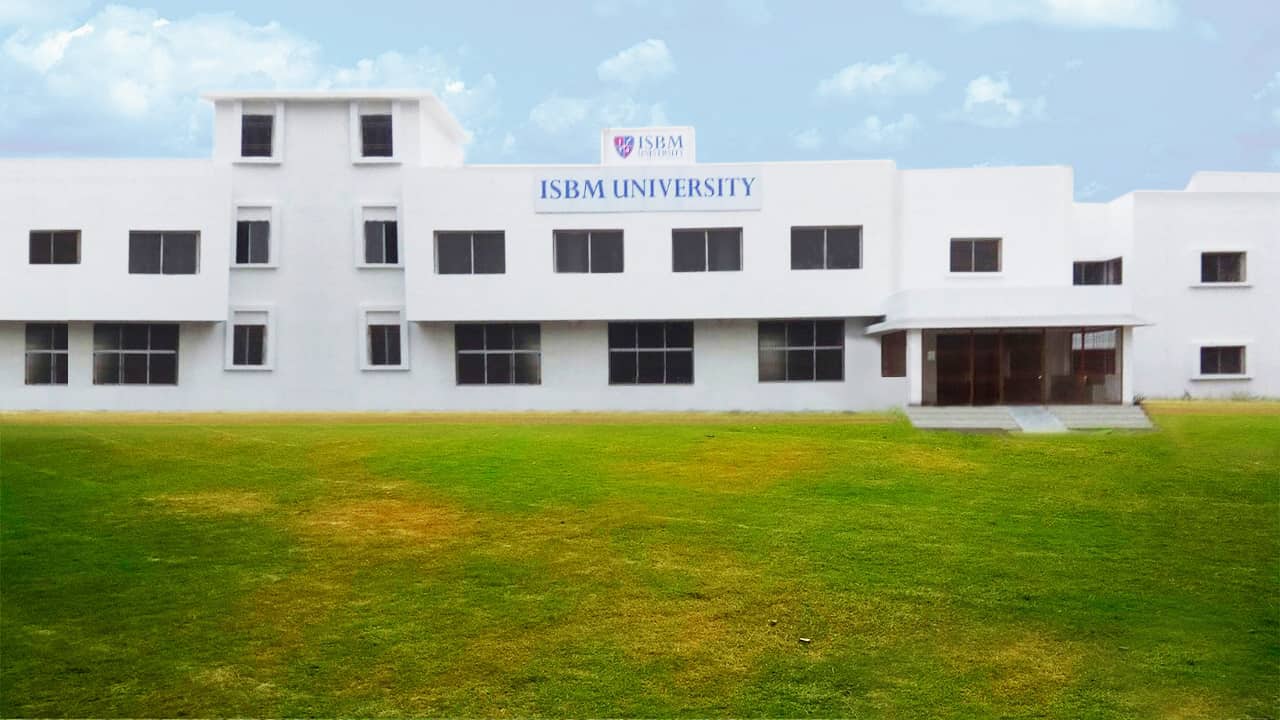
Ph.D. in Law from ISBM University: Eligibility, Entrance Exam, Fee Structure, Admission Process, Subjects, Research Areas, Syllabus, Scholarship & Career Scope
Embarking on a Ph.D. in Law at ISBM University is a transformative journey that equips legal professionals, academicians, and policy‑makers with advanced research expertise and a profound understanding of jurisprudence. This comprehensive guide presents every essential detail—from eligibility requirements to career pathways—so you can make an informed decision and pursue your scholarly ambitions with confidence.
Eligibility Criteria for Ph.D. in Law at ISBM University
Prospective candidates must satisfy the following conditions:
- Hold a Master’s degree (LL.M.) or an equivalent postgraduate qualification in Law with a minimum of 55% marks (or 5.5 CGPA) from a recognized university.
- For candidates with a Bachelor’s degree (LL.B.) only, a valid National Eligibility Test (NET) or a UGC‑approved fellowship is mandatory.
- Age limit: No upper age restriction, but candidates must be physically and mentally fit to undertake rigorous research.
- Applicants must possess a valid score in a national-level entrance test (if applicable) and meet the English language proficiency requirements (IELTS 6.0 or TOEFL 80, for non‑English medium graduates).
Entrance Exam for Ph.D. in Law at ISBM University
ISBM University conducts its own entrance examination, known as the ISBM Ph.D. Law Entrance Test (ILPET). The exam evaluates:
- Fundamental legal concepts and doctrines.
- Research methodology, statistical analysis, and data interpretation.
- Analytical writing and critical thinking.
Candidates with NET/JRF, GATE, or other national-level qualifications may be exempted from the written test, proceeding directly to an interview and research proposal evaluation.
Fee Structure for Ph.D. in Law at ISBM University
| Fee Category | Amount (INR) | Remarks |
|---|---|---|
| Application Processing Fee | 2,500 | Non‑refundable |
| Admission Fee (once) | 15,000 | Paid after selection |
| Annual Tuition & Lab Fees | 45,000 | Inclusive of library & online resources |
| Research Guidance & Publication Support | 10,000 | Per annum |
| Miscellaneous (seminars, workshops) | 5,000 | Estimated per year |
| Total Approx. Cost (3‑Year Program) | 197,500 | Subject to revision each academic year |
Admission Process for Ph.D. in Law at ISBM University
- Online Application: Fill out the application form on the university portal and upload scanned copies of academic certificates.
- Document Verification: Submit original documents for verification at the Admissions Office.
- Entrance Test / Eligibility Screening: Appear for ILPET or submit NET/JRF score.
- Interview & Research Proposal Review: Present a concise research proposal and discuss it with the panel.
- Final Offer & Admission Confirmation: Receive the admission letter, pay the admission fee, and register for the semester.
Ph.D. Subjects and Specializations in Law at ISBM University
ISBM University offers a wide array of specializations allowing scholars to tailor their research to emerging legal challenges:
- Constitutional Law & Human Rights
- International Trade & Commercial Law
- Intellectual Property Rights
- Environmental Law & Sustainable Development
- Criminal Justice & Cyber Law
- Corporate Governance & Corporate Law
- Comparative Law & Legal History
Research Areas in Law at ISBM University
Key research domains align with national priorities and global trends:
- Legal implications of Artificial Intelligence and Data Privacy.
- Regulatory frameworks for renewable energy and climate change mitigation.
- Access to justice for marginalized communities.
- Compliance and risk management in multinational corporations.
- Cross‑border dispute resolution and arbitration.
Documents Required for Ph.D. in Law at ISBM University
| Document | Details | Format |
|---|---|---|
| Application Form | Completed online form with signature | |
| Academic Transcripts | Degree certificates for LL.B. / LL.M. (or equivalent) | PDF, scanned |
| NET/JRF Scorecard (if applicable) | Official score certificate | |
| Research Proposal | 1500‑word synopsis with objectives and methodology | DOCX / PDF |
| Curriculum Vitae | Professional experience, publications, conferences | |
| Identity Proof | Aadhaar / Passport (photocopy) | |
| Passport‑size Photograph | Recent, colored, white background | JPEG/PNG |
ISBM University Ph.D. Syllabus for Law
The syllabus blends core legal theory with advanced research techniques:
- Year 1: Advanced Jurisprudence, Research Methodology, Statistics for Legal Research, Ethics & Publication Standards.
- Year 2: Specialized electives (based on chosen specialization), Proposal Development, Data Collection & Analysis.
- Year 3: Thesis Writing, Defense Preparation, Scholarly Publication, Seminar Presentations.
How To Apply for Ph.D. in Law at ISBM University
Follow these steps to submit a successful application:
- Visit the official ISBM University website and navigate to the “Ph.D. Admissions – Law” portal.
- Create a user account and fill in personal and academic details.
- Upload the required documents (as per the table above) and pay the non‑refundable application fee.
- Schedule the entrance examination or upload your NET/JRF score.
- After clearing the test, upload your research proposal and await the interview invitation.
- Upon selection, confirm admission by paying the admission fee and completing the registration process.
Career Scope and Job Opportunities After Ph.D. in Law from ISBM University
A doctoral degree in Law expands professional horizons across academia, policy, and industry:
- Academic Positions: Assistant Professor, Associate Professor, Department Head.
- Research Institutes: Senior Research Fellow, Policy Analyst, Think‑tank Consultant.
- Judicial Services: Judicial Officer, Legal Advisor to courts.
- Corporate Sector: Chief Legal Officer, Compliance Director, In‑house Counsel for multinational firms.
- Government & NGOs: Legislative Drafting, Human Rights Advocacy, International Diplomacy.
Graduates also benefit from ISBM’s extensive alumni network, facilitating placements in prestigious law schools, research bodies, and global law firms.
Scholarship for Ph.D. in Law at ISBM University
Merit‑based and need‑based scholarships are available to support deserving candidates:
- ISBM Merit Scholarship: Covers up to 50% of tuition for students with a CGPA ≥ 8.5.
- UGC‑JRF Fellowship: Full tuition waiver and a monthly stipend for NET/JRF qualifiers.
- Corporate Sponsorships: Partnerships with law firms offering research grants.
- Women’s Empowerment Grant: Special financial aid for female scholars pursuing legal research.
Applicants should indicate scholarship interest during the admission process and attach supporting documents (income proof, merit certificates, etc.).
FAQs Regarding Ph.D. in Law at ISBM University
- 1. What is the minimum duration of the Ph.D. program?
- The program is designed for a minimum of three years, with a maximum allowable period of six years to complete the thesis.
- 2. Can I pursue the Ph.D. part








