Ph.D. in Law from Uttaranchal University: Eligibility, Entrance Exam, Fee Structure, Admission Process, Subjects, Research Areas, Syllabus, Scholarship & Career Scope
Introduction about Ph.D. in Law at Uttaranchal University
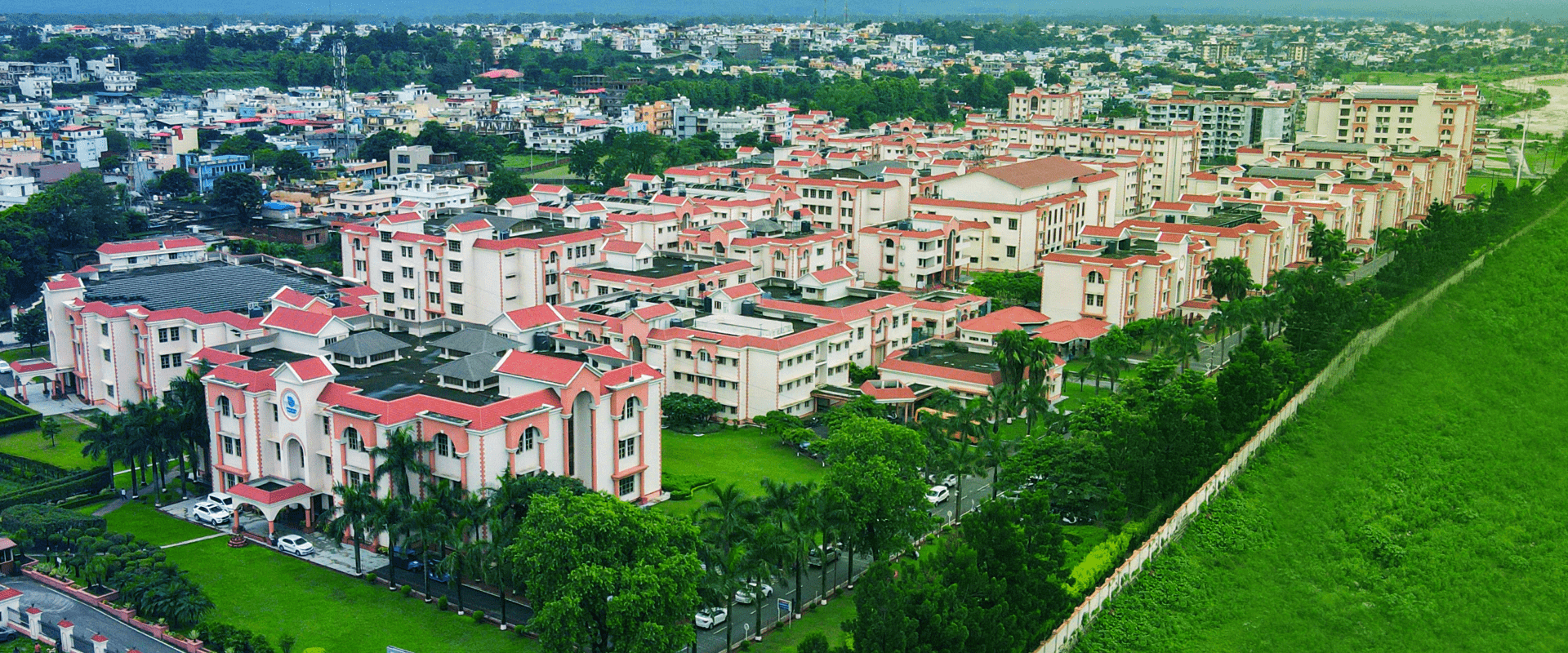
Uttaranchal University, nestled in the heart of Dehradun, has emerged as a premier destination for legal scholars seeking a rigorous Doctorate in Law. The university’s Ph.D. program blends cutting‑edge research methodologies with interdisciplinary perspectives, enabling candidates to contribute to the evolving jurisprudential landscape. Whether you aspire to become a distinguished academic, a policy analyst, or a legal consultant, the Ph.D. in Law at Uttaranchal University equips you with the expertise required to influence law‑making and judicial practice at national and international levels.
Eligibility Criteria for Ph.D. in Law at Uttaranchal University
- A Master’s degree (LL.M.) in Law or a related discipline from a recognized university with a minimum of 55% aggregate (or equivalent CGPA).
- Candidates with a postgraduate degree in disciplines such as Political Science, Economics, Sociology, or Criminology may be considered if they have demonstrated strong legal research interest.
- Nationally or internationally published research papers in reputable journals (optional but advantageous).
- Qualifying the university’s entrance test or holding a valid national level qualification (e.g., UGC-NET, CSIR‑NET) in Law.
Entrance Exam for Ph.D. in Law at Uttaranchal University
The entrance examination evaluates candidates on three core components:
- Written Test (100 marks): Covers Legal Theory, Constitutional Law, International Law, and Research Methodology.
- Interview (20 marks): Assesses research aptitude, proposal clarity, and alignment with faculty expertise.
- Viva‑Voce (30 marks): Deep‑dive into the proposed research topic and academic background.
Applicants who have cleared UGC‑NET in Law or possess a published peer‑reviewed article are exempted from the written test but must attend the interview and viva‑voce.
Fee Structure for Ph.D. in Law at Uttaranchal University
| Component | Annual Fee (INR) | Notes |
|---|---|---|
| Tuition & Lab Fees | 45,000 | Applicable for each academic year. |
| Library & Resource Access | 5,000 | Includes digital database subscriptions. |
| Research & Publication Support | 10,000 | For conference participation and journal fees. |
| Administrative & Miscellaneous | 2,500 | Student services and counseling. |
| Total Approximate Cost | 62,500 | Excluding scholarships or external funding. |
Note: The fee structure is subject to revision by the university’s finance committee. Candidates may offset costs through merit‑based scholarships, research grants, or teaching assistantships.
Admission Process for Ph.D. in Law at Uttaranchal University
- Online Application: Submit the application form via the university portal, uploading academic transcripts, a detailed research proposal, and two letters of recommendation.
- Document Verification: The admissions office validates certificates and eligibility criteria.
- Entrance Examination: Appear for the written test (or submit UGC‑NET score) followed by interview and viva‑voce.
- Selection & Offer Letter: Successful candidates receive an admission letter with fee details and enrollment instructions.
- Enrollment & Registration: Pay the required fees, complete registration, and attend the orientation program.
Ph.D. Subjects and Specializations in Law at Uttaranchal University
- Constitutional Law & Governance
- International Human Rights Law
- Corporate & Commercial Law
- Environmental & Sustainable Development Law
- Criminal Justice & Forensic Law
- Intellectual Property Rights & Technology Law
- Legal Theory & Jurisprudence
Research Areas in Law at Uttaranchal University
The university encourages interdisciplinary research that addresses contemporary legal challenges. Key research domains include:
- Impact of Climate Change on Environmental Legislation.
- Digital Privacy, Data Protection, and Cyber Law.
- Legal Implications of Artificial Intelligence and Automation.
- Comparative Study of Constitutional Amendments in Emerging Democracies.
- Transnational Trade Disputes and WTO Law.
- Gender Justice and Feminist Legal Theory.
- Reforming Criminal Procedure Codes for Faster Justice Delivery.
Documents Required for Ph.D. in Law at Uttaranchal University
| Document | Format | Remarks |
|---|---|---|
| Completed Application Form | PDF (online upload) | Signed electronically. |
| Academic Transcripts & Degree Certificates | Scanned copies | Must be attested. |
| Research Proposal (1500–2000 words) | Word Document | Include objectives, methodology, and expected outcomes. |
| Letters of Recommendation (2) | From academicians or professionals familiar with your work. | |
| Proof of Qualifying Exam (UGC‑NET/CSIR‑NET) | If applicable. | |
| Identity Proof (Aadhaar/Passport) | Government‑issued. |
Uttaranchal University Ph.D. Syllabus for Law
The syllabus is structured to develop both theoretical foundations and practical research skills:
- Year 1: Research Methodology, Advanced Legal Writing, Elective I (chosen from specializations).
- Year 2: Comprehensive Literature Review, Elective II, Seminar Participation, Publication of a research paper.
- Year 3: Data Collection & Analysis, Drafting of Thesis Chapters, Teaching Assistantship.
- Year 4: Thesis Completion, Defense Preparation, Submission of Final Dissertation.
Students may also opt for short‑term workshops on Editing and Proofreading Services to enhance manuscript quality before submission.
How To Apply for Ph.D. in Law at Uttaranchal University
- Visit the official Uttaranchal University website and navigate to the “Admissions” section.
- Register using a valid email address and set a secure password.
- Fill in personal details, academic history, and upload the required documents.
- Pay the non‑refundable application fee via net banking or UPI.
- Submit the application and note the reference number for future correspondence.
- Monitor the email for exam schedule, interview invites, and admission results.
Applicants seeking expert guidance in refining their research proposal can explore PhD Topic Selection and Proposal Assistance services.
Career Scope and Job Opportunities After Ph.D. in Law from Uttaranchal University
Graduates of the Ph.D. program unlock a diverse array of career pathways:
- Academic Positions: Assistant Professor, Associate Professor, or Lecturer in reputed law schools and universities.
- Research Institutions: Senior Research Fellow, Policy Analyst, or Legal Researcher in think‑tanks and NGOs.
- Judicial & Legal Services: Judicial Clerk, High Court Research Officer, or Senior Advocate.
- Corporate Sector: In‑house Counsel, Compliance Officer, or Legal Advisor for multinational corporations.
- International Organizations: Legal Consultant for UN agencies, World Bank, or WTO.
- Entrepreneurship: Founding legal tech startups or consultancy firms.
Enhance employability through the university’s PhD Admission Assistance network, which connects scholars with industry mentors and placement opportunities.
Scholarship for Ph.D. in Law at Uttaranchal University
Uttaranchal University offers merit‑based scholarships and research grants to deserving candidates:
- UGC‑CSIR Junior Research Fellowship (JRF): Up to INR 31,000 per month for the first two years.
- University Merit Scholarship: 50% tuition waiver for candidates with a CGPA above 8.5.
- Corporate Sponsored Fellowships: Sponsored by leading law firms for research aligned with industry needs.
- Special Grants for Women Scholars: Additional INR 20,000 per annum.
Applicants can also leverage Research Publication Support to meet the publication requirements for scholarship eligibility.
FAQs Regarding Ph.D. in Law at Uttaranchal University
- 1. Can a candidate with a background in Political Science apply for the Ph.D. in Law?
- Yes, provided the candidate demonstrates a strong research interest in legal topics and meets the minimum academic criteria.
- 2. Is there a minimum age limit for admission?
- There is no strict age limit, but candidates must fulfill the academic and entrance exam requirements.
- 3. How long does it take to complete the Ph.D. program?
- The typical duration is 4 years, subject to timely submission of the thesis and successful clearance of internal assessments.
- 4. Are there part‑time options available?
- Uttaranchal University offers a flexible part‑time mode for working professionals, with extended timelines for completion.
- 5. What support does the university provide for publishing research?
- The university maintains a dedicated research cell that offers editorial assistance, funding for conference participation, and links to reputed journals. Additional assistance can be obtained through Research Publication Support.
- 6. How can I protect my research ideas commercially?
- Students are encouraged to explore the university’s partnership with patent experts and can avail <a href="https://shikshare








