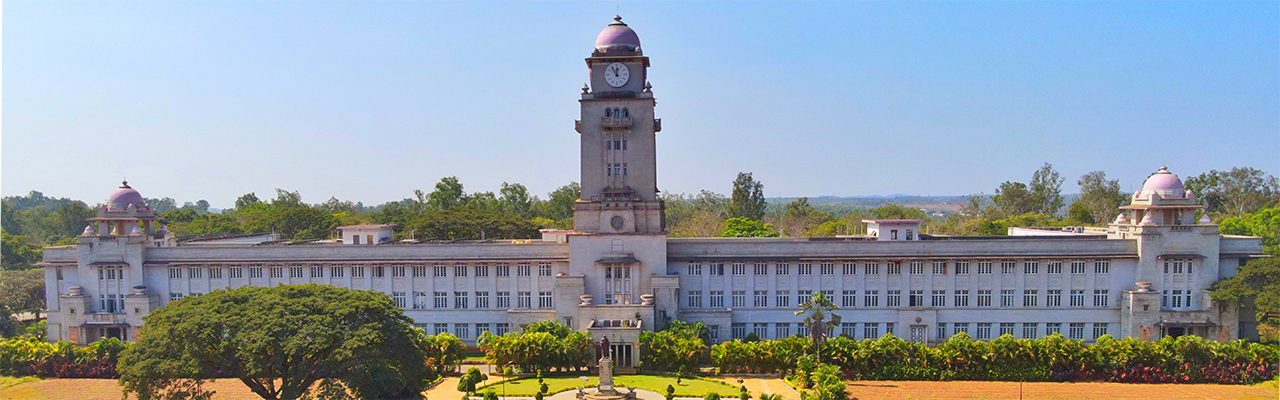
Ph.D. in Library & Information Science at Karnataka University
Introduction about Ph.D. in Library & Information Science at Karnataka University
Karnataka University has emerged as a leading hub for research in Library & Information Science (LIS). The Ph.D. program is meticulously designed to nurture scholars who aspire to transform information ecosystems, promote digital literacy, and spearhead innovations in knowledge management. With a strong emphasis on interdisciplinary collaboration, state?of?the?art facilities and a vibrant academic community, the university offers an inspirational pathway for professionals seeking to make an impact in the information age.
Eligibility Criteria for Ph.D. in Library & Information Science at Karnataka University
Prospective candidates must satisfy the following prerequisites:
- A Master?s degree in Library & Information Science, Library Science, Information Management or a related discipline from a recognized university.
- Minimum aggregate of 55% (or equivalent CGPA 6.0/10) in the qualifying postgraduate program.
- Qualifying the university?conducted Ph.D. entrance test or any national level test (UGC?NET, CSIR?UGC JRF, etc.).
- For candidates with an M.Phil., the entrance test may be waived subject to satisfactory academic performance.
Entrance Exam for Ph.D. in Library & Information Science at Karnataka University
The entrance examination evaluates research aptitude, subject knowledge, and analytical skills. It typically comprises:
- Paper?I: General ability ? reasoning, quantitative aptitude, and English proficiency.
- Paper?II: Subject?specific ? LIS theories, information retrieval, digital libraries, and research methodology.
Candidates may also submit scores from UGC?NET or CSIR?JRF as an alternative to the university test. Preparation resources and sample papers are available on the university?s official portal.
Fee Structure for Ph.D. in Library & Information Science at Karnataka University
| Fee Component | Amount (INR) | Remarks |
|---|---|---|
| Application & Registration Fee | 2,500 | One?time, non?refundable |
| Annual Tuition Fee | 15,000 | Payable at the beginning of each academic year |
| Lab & Library Access Fee | 3,000 | Includes digital resources and software licenses |
| Thesis Submission & Examination Fee | 5,000 | One?time, payable after final submission |
| Total Approximate Cost (3?Year Programme) | 68,500 | Excludes scholarships & stipends |
Admission Process for Ph.D. in Library & Information Science at Karnataka University
The admission workflow is streamlined into five distinct phases:
- Online Application: Fill the web?based form, upload scanned documents and pay the registration fee.
- Eligibility Verification: University officials validate academic credentials and prior research experience.
- Entrance Examination: Appear for the university?conducted test or submit national test scores.
- Interview & Proposal Review: Shortlisted candidates present their research proposal before a faculty panel.
- Final Admission Offer: Successful candidates receive an official admission letter and enrollment instructions.
Ph.D. Subjects and Specializations in Library & Information Science at Karnataka University
The program offers a range of specializations that align with emerging industry demands:
- Digital Libraries and Archives
- Information Retrieval & Data Mining
- Knowledge Management Systems
- Bibliometrics and Scientometrics
- Information Policy and Ethics
- Health Information Management
- Educational Technology & E?Learning Resources
Students can tailor their dissertation to intersect with fields such as computer science, business analytics, or public health.
Research Areas in Library & Information Science at Karnataka University
Faculty members lead cutting?edge projects in:
- Artificial Intelligence for Information Retrieval
- Semantic Web and Ontology Development
- Open Access Publishing and Scholarly Communication
- Big Data Analytics in Library Services
- User?Centred Design for Digital Platforms
- Preservation of Cultural Heritage through Digitization
Prospective Ph.D. scholars are encouraged to collaborate with the university?s Centre for Information Technology and the Digital Humanities Lab.
Documents Required for Ph.D. in Library & Information Science at Karnataka University
| Document | Details | Format |
|---|---|---|
| Application Form | Completed online with signature | |
| Mark Sheets & Degree Certificate | Post?graduate (M.Sc./M.A.) and any preceding qualifications | Scanned PDF (certified copy) |
| CET/NET Scorecard | UGC?NET, CSIR?JRF or Karnataka University Ph.D. test | |
| Research Proposal | Brief (1500?2000 words) outlining objectives, methodology, and expected contribution | Word Document |
| Curriculum Vitae | Academic and professional experience, publications, conferences | |
| Two Recommendation Letters | From academic supervisors or senior professionals | PDF (signed) |
Karnataka University Ph.D. Syllabus for Library & Information Science
The syllabus is structured into three phases:
- Core Coursework (Year 1): Research Methodology, Advanced Information Retrieval, Statistics for Information Science, and Ethics in Information Management.
- Elective Modules (Year 2): Choose two electives such as Digital Preservation, Knowledge Discovery, or Library Management Automation.
- Dissertation (Year 2?3): Original research, data collection, analysis, and thesis writing under the guidance of a designated supervisor.
Periodic seminars, workshops, and journal club meetings supplement formal coursework.
How To Apply for Ph.D. in Library & Information Science at Karnataka University
Follow these step?by?step instructions:
- Visit the official Karnataka University admissions portal.
- Register using a valid email address and create a password.
- Fill in personal and academic details, upload the required documents, and pay the registration fee online.
- Schedule your entrance exam slot (if applicable) and appear on the designated date.
- After successful qualification, submit your research proposal and attend the interview.
- Upon receiving the admission offer, complete enrollment by paying the first year?s tuition.
Detailed timelines and FAQs are available on the university?s website for reference.
Career Scope and Job Opportunities After Ph.D. in Library & Information Science from Karnataka University
A Ph.D. from Karnataka University opens diverse career pathways:
- Academic Positions: Assistant Professor, Associate Professor, or Head of Department in universities and colleges.
- Research Institutes: Senior Research Fellow, Project Leader in government or private research labs.
- Library Management: Chief Librarian, Digital Services Director, or Knowledge Management Consultant in public, corporate, or special libraries.
- Information Technology: Data Scientist, Information Architect, or UX Designer focusing on information systems.
- Policy & Consultancy: Advisor for government agencies, NGOs, or international bodies on information policy and open access.
The program?s strong industry tie?ups also facilitate internships and placement opportunities with leading library automation firms.
Scholarship for Ph.D. in Library & Information Science at Karnataka University
Karnataka University offers merit?based and need?based scholarships, including:
- University Merit Scholarship: Up to 50% tuition waiver for top 10% rankers.
- UGC?CSIR Junior Research Fellowship (JRF): Stipend of ?31,000 per month plus contingency.
- State Government Scholarship: Financial assistance for candidates from economically weaker sections.
- External Grants: Funding through projects sponsored by ISRO, DRDO, or private foundations.
Applicants should indicate their scholarship preference while filling the online application and attach relevant income certificates where required.
FAQs Regarding Ph.D. in Library & Information Science at Karnataka University
- 1. Can I pursue the Ph.D. part?time while working?
- Yes. The university permits part?time enrollment for professionals with a minimum of three years of relevant work experience.
- 2. Is a research proposal mandatory before the entrance exam?
- A concise proposal (max 1500 words) is required for the interview stage, not for the entrance test.
- 3. What is the typical duration of the programme?
- The minimum duration is three years; extensions up to six years are granted on justified grounds.
- 4. Are there opportunities for international collaboration?
- Yes. The university has MoUs with several foreign institutions, allowing joint research and faculty exchange programmes.
- 5. How many publications are expected before thesis submission?
- At least two peer?reviewed journal articles or conference papers are recommended to strengthen the dissertation.








