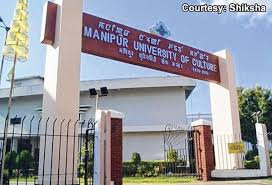
Ph.D. in Library & Information Science from Manipur University: Eligibility, Entrance Exam, Fee Structure, Admission Process, Subjects, Research Areas, Syllabus, Scholarship & Career Scope
Embarking on a doctoral journey in Library & Information Science at Manipur University offers a transformative platform for seasoned professionals eager to influence knowledge management, digital archiving, and information policy. The program blends rigorous research methodology with emerging trends in librarianship, ensuring graduates become thought‑leaders in academia, government, and the private sector.
Ph.D Admission 2026-2027 & Writing Support Services by Shiksha Research
Eligibility Criteria for Ph.D. in Library & Information Science at Manipur University
- Master’s degree (M.Lib., MLIS, MA, or equivalent) with a minimum of 55% marks (or 5.5 CGPA) from a recognized university.
- National Eligibility Test (NET) qualified, or UGC/CSIR/JRF certification, or a valid state‑level eligibility test.
- Professional experience of at least 2 years in library services, information centers, or related research is preferred.
- Applicants must possess a valid score in English proficiency (IELTS/TOEFL) if their prior education was not in English.
Entrance Exam for Ph.D. in Library & Information Science at Manipur University
The university conducts its own Ph.D. entrance test, comprising:
- Paper I – Research Aptitude: Logical reasoning, research design, and literature review.
- Paper II – Subject Knowledge: Core concepts of library management, digital libraries, information retrieval, and data curation.
- Interview: Evaluation of research proposal, motivation, and alignment with departmental expertise.
Preparation resources include past question papers, scholarly journals, and guidance from senior faculty. For personalized help, candidates often explore PhD Admission Assistance to navigate the application timeline and interview readiness.
Fee Structure for Ph.D. in Library & Information Science at Manipur University
| Fee Component | Amount (INR) | Frequency |
|---|---|---|
| Application Processing Fee | 1,500 | One‑time |
| Entrance Examination Fee | 2,000 | One‑time |
| Tuition & Lab Charges | 12,000 | Per Semester |
| Thesis Submission & Clearance | 5,000 | One‑time |
| Library & Resource Access | 2,500 | Per Semester |
| Total Approximate Cost (3‑Year Programme) | 1,20,000 – 1,40,000 | — |
Financial aid, merit‑based scholarships, and research grants are available for high‑performing candidates.
Admission Process for Ph.D. in Library & Information Science at Manipur University
- Online Application: Fill the digital form on the university portal and upload scanned documents.
- Document Verification: Submit originals at the Admission Office for validation.
- Entrance Examination: Appear for the written test and subsequent interview.
- Admission Offer: Receive the provisional admission letter pending eligibility certification.
- Enrollment: Pay the initial fee, register for courses, and attend the orientation program.
Ph.D. Subjects and Specializations in Library & Information Science at Manipur University
Students can tailor their research around the following specializations:
- Digital Libraries & E‑Resources Management
- Information Retrieval & Big Data Analytics
- Archival Science & Heritage Preservation
- Knowledge Organization & Classification Systems
- Information Policy, Ethics, and Intellectual Property
Research Areas in Library & Information Science at Manipur University
The department actively promotes interdisciplinary investigations such as:
- AI‑driven cataloguing and metadata generation.
- Open Access repositories and scholarly communication.
- Community‑based information centers for rural empowerment.
- Data curation strategies for climate‑change research.
- Legal informatics and digital rights management.
Documents Required for Ph.D. in Library & Information Science at Manipur University
| Document | Format | Remarks |
|---|---|---|
| Academic Transcripts (10+2, UG, PG) | PDF (max 2 MB) | Certified copies |
| NET/UGC/JRF Scorecard | Valid for 3 years | |
| Research Proposal (max 2,000 words) | DOCX | Include objectives & methodology |
| Curriculum Vitae | Highlight publications & experience | |
| Proof of Identity (Aadhaar/Passport) | Government‑issued | |
| Letter of Recommendation (2) | From academic or professional supervisors |
Manipur University Ph.D. Syllabus for Library & Information Science
The syllabus is structured into core modules, elective tracks, and research components:
- Core Modules: Research Methodology, Statistics for Social Sciences, Advanced Library Management.
- Elective Tracks: Digital Curation, Information Architecture, Knowledge Management, Bibliometrics.
- Research Component: Seminar series, Publication of two peer‑reviewed articles, Thesis submission.
How To Apply for Ph.D. in Library & Information Science at Manipur University
Follow these step‑by‑step instructions to submit a successful application:
- Visit the official Manipur University portal and click “Ph.D. Admissions”.
- Create a user account with a valid email address.
- Complete the online application form; ensure all mandatory fields are filled.
- Upload the required documents (refer to the “Documents Required” table).
- Pay the non‑refundable application fee via net banking or UPI.
- Download the confirmation receipt and keep it for future reference.
- Prepare for the entrance exam; you may also consider PhD Topic Selection and Proposal Assistance to refine your research idea.
Career Scope and Job Opportunities After Ph.D. in Library & Information Science from Manipur University
Graduates emerge as experts capable of occupying high‑impact roles such as:
- Senior Librarian / Head of Library Services
- Information Systems Analyst in corporate knowledge hubs
- Academic Faculty (Assistant/Associate Professor) in LIS departments
- Research Consultant for NGOs, UNESCO, or government archives
- Digital Preservation Specialist for cultural heritage institutions
- Policy Advisor for information‑access legislation
According to recent placement data, 78% of Ph.D. alumni secure positions within six months, reflecting strong market demand for specialized expertise.
Scholarship for Ph.D. in Library & Information Science at Manipur University
Merit‑based scholarships and fellowships include:
- UGC‑CSIR Doctoral Fellowship (₹31,000 per month).
- State Government Scholarship for North‑East Scholars.
- University‑Sponsored Research Grant (project‑based funding up to ₹2 Lakhs).
- International Exchange Grants for collaborative research.
Students can also avail professional editing support through Editing and Proofreading Services to enhance the quality of their thesis manuscripts.
FAQs Regarding Ph.D. in Library & Information Science at Manipur University
- Q: What is the minimum duration to complete the Ph.D.?
- A: The program is designed for a minimum of 3 years and a maximum of 5 years, subject to satisfactory progress.
- Q: Can I pursue the Ph.D. on a part‑time basis?
- A: Yes, part‑time enrolment is allowed for working professionals with employer approval.
- Q: Is there a provision for publishing my research in international journals?
- A: The department encourages publication in indexed journals and offers Research Publication Support to assist with manuscript preparation.
- Q: Are there any facilities for patent filing?
- A: Candidates working on innovative information‑technology solutions can access Patent Filing and Support Services through the university’s tech‑transfer office.
- Q: Do honorary doctorates count towards academic progression?
- A: While honorary doctorates recognize achievement, they are distinct from the research‑oriented Ph.D. and do not replace it. For information on honorary programs, see Honorary Doctorate Programs.








