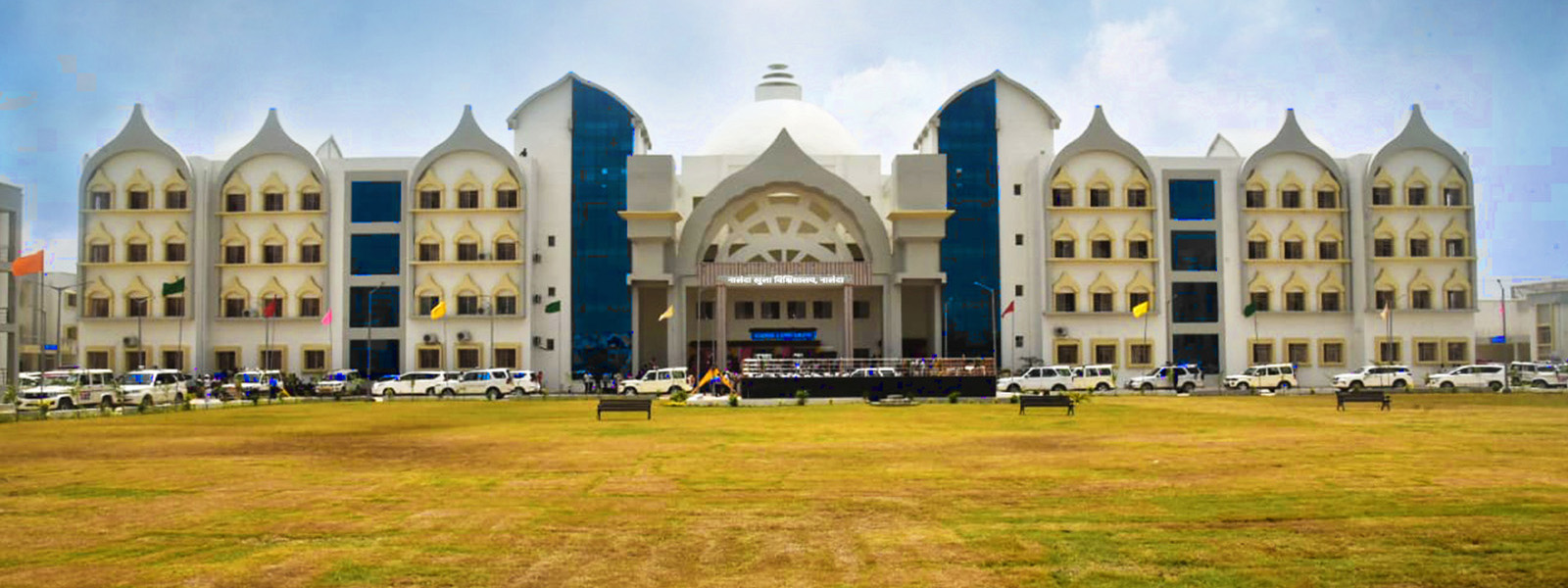
Introduction about Ph.D. in Library & Information Science at Nalanda Open University
Embarking on a doctoral journey in Library & Information Science at Nalanda Open University empowers professionals to become thought leaders in a rapidly evolving information ecosystem. The program blends rigorous research methodology with contemporary challenges such as digital preservation, data analytics, and knowledge management, equipping scholars to shape policies, innovate services, and influence global discourse. Whether you aim to transform academic libraries, lead corporate information centers, or drive cutting‑edge research, this Ph.D. opens doors to impact-driven careers.
Eligibility Criteria for Ph.D. in Library & Information Science at Nalanda Open University
- Master’s degree in Library Science, Information Science, or a related discipline with a minimum of 55% aggregate.
- For candidates with a Master’s in any other discipline, a minimum of 60% is required plus demonstrated research aptitude.
- Eligibility through PhD Admission Assistance is available for candidates needing guidance on documentation.
- Applicants must have a valid score in a recognized entrance examination (see next section) or be exempted based on research publications.
- Age limit: No upper age restriction; however, candidates must meet the minimum age of 21 years.
Entrance Exam for Ph.D. in Library & Information Science at Nalanda Open University
The entrance test evaluates analytical reasoning, research fundamentals, and domain‑specific knowledge. It comprises three sections:
- General Aptitude: Logical reasoning, quantitative ability, and English comprehension.
- Research Methodology: Design of experiments, statistical tools, and ethical considerations.
- Subject Specific: Bibliometrics, digital libraries, information retrieval, and knowledge organization.
Candidates scoring above 65% are shortlisted for a personal interview. To strengthen your application, consider leveraging PhD Topic Selection and Proposal Assistance for a compelling research proposal.
Fee Structure for Ph.D. in Library & Information Science at Nalanda Open University
| Fee Component | Annual Amount (INR) | Notes |
|---|---|---|
| Tuition Fee | 45,000 | Payable in two installments per semester |
| Examination & Evaluation Fee | 12,000 | Includes internal and final assessments |
| Library & Digital Resources Fee | 8,000 | Access to e‑journals, databases, and archives |
| Registration & Administration | 5,000 | One‑time fee at admission |
| Total Approx. (per year) | 70,000 |
Scholarships, research grants, and assistantships can significantly offset these costs. Explore the Editing and Proofreading Services for manuscript preparation to increase your chances of receiving funding.
Admission Process for Ph.D. in Library & Information Science at Nalanda Open University
- Online application submission through the university portal.
- Upload scanned copies of academic transcripts, degree certificates, and identity proof.
- Pay the non‑refundable application fee of INR 2,500.
- Appear for the entrance examination (or submit a research publication for exemption).
- Qualified candidates are invited for a personal interview and proposal defense.
- Final admission letter issued upon receipt of acceptance fee.
Ph.D. Subjects and Specializations in Library & Information Science at Nalanda Open University
The doctoral program offers a range of specializations aligned with contemporary industry needs:
- Digital Libraries and E‑Resources Management
- Knowledge Organization & Ontologies
- Information Retrieval & Data Mining
- Archival Science & Preservation
- Library Management & Policy Studies
- Human‑Computer Interaction for Information Systems
Research Areas in Library & Information Science at Nalanda Open University
Faculty mentors guide research across vibrant domains:
- Artificial Intelligence in Information Retrieval
- Open Access Publishing & Scholarly Communication
- Big Data Analytics for Library Services
- User Experience Design for Digital Repositories
- Information Literacy in Rural Communities
- Preservation of Indigenous Knowledge Systems
Documents Required for Ph.D. in Library & Information Science at Nalanda Open University
| Document | Format | Remarks |
|---|---|---|
| Application Form (online) | PDF/Online | Completed with all mandatory fields |
| Academic Transcripts (Masters) | Scanned PDF | Must be attested |
| Degree Certificate (Masters) | Scanned PDF | Original with university seal |
| Research Proposal (if applicable) | Word Document | Maximum 2,500 words |
| Identity Proof (Aadhaar / Passport) | Scanned PDF | Valid, government‑issued |
| Passport Size Photograph | JPEG/PNG | White background, 2 pcs. |
Nalanda Open University Ph.D. Syllabus for Library & Information Science
The curriculum is structured into three phases:
- Core Modules (Year 1): Research Methodology, Advanced Information Retrieval, Statistics for Librarianship.
- Specialization Courses (Year 2): Choose two electives from Digital Preservation, Knowledge Management, or Data Analytics.
- Dissertation (Year 3‑4): Original research, periodic progress reviews, and defense.
How To Apply for Ph.D. in Library & Information Science at Nalanda Open University
Follow these step‑by‑step instructions:
- Visit the official website and click on “Ph.D. Admissions”.
- Register using your email ID and create a secure password.
- Complete the online application form and upload the required documents (refer to the Documents section).
- Pay the application fee via net banking, credit/debit card, or UPI.
- Schedule your entrance exam slot and download the admit card.
- Prepare using the university’s recommended reading list; consider professional guidance from Research Publication Support to refine your research proposal.
- After successful clearance, attend the interview and await the admission letter.
Career Scope and Job Opportunities After Ph.D. in Library & Information Science from Nalanda Open University
Graduates enjoy a broad spectrum of high‑impact roles:
- Senior Librarian / Head of Information Services in academic or corporate institutions.
- Research Fellow / Associate Professor in universities and research centers.
- Information Architect or Knowledge Manager in technology firms.
- Policy Analyst for governmental and non‑governmental organizations.
- Consultant for digital transformation projects in libraries.
- Entrepreneur launching start‑ups focused on data curation or e‑learning platforms.
Scholarship for Ph.D. in Library & Information Science at Nalanda Open University
Several funding avenues are available:
- University Merit Scholarships: Awarded based on academic performance (up to 50% tuition waiver).
- National Research Grants: Sponsored by UGC, CSIR, and DBT for projects aligning with national priorities.
- Industry‑Sponsored Fellowships: Collaborations with publishing houses and tech companies.
- External Scholarships: International bodies such as Commonwealth and Fulbright.
Applicants are encouraged to develop a robust research proposal; leveraging Honorary Doctorate Programs showcases a commitment to scholarly excellence.
FAQs Regarding Ph.D. in Library & Information Science at Nalanda Open University
- What is the minimum duration to complete the Ph.D.?
- The program is designed for a minimum of 3 years and a maximum of 5 years, subject to satisfactory progress.
- Can working professionals enroll part‑time?
- Yes, a flexible part‑time mode is available for eligible candidates who maintain a minimum of 30% attendance in mandatory sessions.
- Is there a provision for credit transfer from other universities?
- Credit transfer is considered on a case‑by‑case basis, provided the previous institution is








