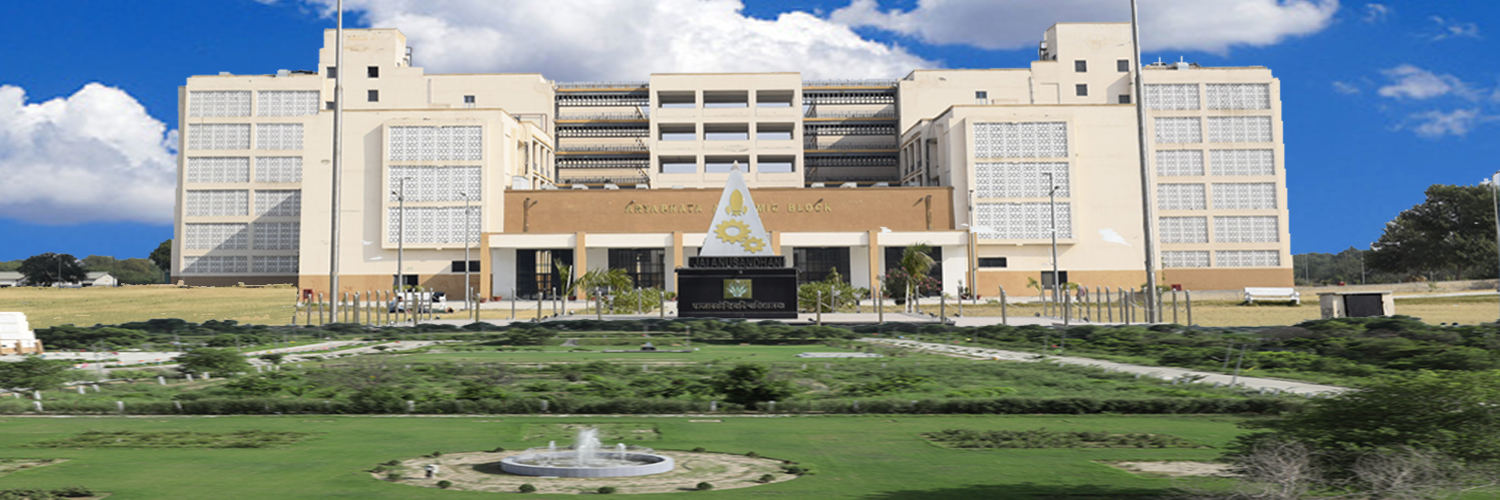
Introduction about Ph.D. in Mass Communication at Central University of Punjab
Embarking on a doctoral journey in Mass Communication at Central University of Punjab opens the gateway to cutting‑edge research, thought leadership, and transformative impact on media ecosystems worldwide. The program is meticulously designed for seasoned professionals who aspire to blend academic rigor with real‑world insights, fostering innovative scholarship that reshapes public discourse, digital media strategy, and communication policy.
Ph.D Admission 2026-2027 & Writing Support Services by Shiksha Research
Eligibility Criteria for Ph.D. in Mass Communication at Central University of Punjab
- Master’s degree in Mass Communication, Journalism, Media Studies, or a related discipline with a minimum of 55% aggregate (or equivalent CGPA).
- Valid GATE, UGC-NET, or the university’s own entrance test score (if applicable).
- Professional experience of at least 2 years in media, advertising, public relations, or academia is preferred but not mandatory.
- Demonstrated research aptitude through published papers, conference presentations, or industry reports.
Entrance Exam for Ph.D. in Mass Communication at Central University of Punjab
The university conducts a comprehensive entrance examination that evaluates:
- Theoretical Knowledge: Core concepts in communication theory, media law, and research methodology.
- Analytical Skills: Critical analysis of case studies, data interpretation, and problem‑solving.
- Language Proficiency: English communication (reading, writing, and presentation).
Candidates who have cleared UGC-NET or GATE are exempted from the written test and are invited directly for an interview and research proposal review.
Fee Structure for Ph.D. in Mass Communication at Central University of Punjab
| Component | Annual Fee (INR) | Notes |
|---|---|---|
| Tuition Fee | ₹55,000 | Applicable for the entire duration of the program. |
| Library & Resource Charges | ₹5,000 | Includes access to digital archives and journals. |
| Examination & Evaluation Fee | ₹3,000 | Per semester. |
| Annual Miscellaneous Charges | ₹2,000 | Student services and campus activities. |
| Total Approximate Cost | ₹65,000 | Subject to revision each academic year. |
Admission Process for Ph.D. in Mass Communication at Central University of Punjab
- Online Application: Submit the application form through the university portal along with scanned copies of academic transcripts.
- Entrance Test/Eligibility Verification: Appear for the written test or upload UGC‑NET/GATE score.
- Interview & Proposal Presentation: Shortlisted candidates present a concise research proposal before the department’s selection committee.
- Final Admission Letter: Successful candidates receive an official offer letter and can complete fee payment.
- Enrollment & Induction: Orientation programs introduce new scholars to research facilities, ethics, and mentorship structures.
Ph.D. Subjects and Specializations in Mass Communication at Central University of Punjab
- Media Management & Policy
- Digital Journalism & New Media
- Communication Theory & Research Methods
- Public Relations & Corporate Communication
- Advertising & Integrated Marketing Communication
- Media Ethics, Law, and Governance
Research Areas in Mass Communication at Central University of Punjab
Faculty members and doctoral candidates collaborate on a spectrum of high‑impact research topics, including:
- Impact of Social Media Algorithms on Public Opinion
- Media Literacy and Digital Citizenship
- Emerging Trends in Mobile Journalism
- Cross‑cultural Communication in Multilingual Societies
- Risk Communication during Health Crises
- Artificial Intelligence in Content Production and Curation
- Audience Engagement Metrics and Big Data Analytics
Documents Required for Ph.D. in Mass Communication at Central University of Punjab
| Document | Details |
|---|---|
| Academic Transcripts | Certified copies of bachelor's and master's degrees. |
| Entrance Exam Scorecard | UGC‑NET, GATE, or university entrance test result. |
| Research Proposal | 500‑word summary of intended research topic. |
| Curriculum Vitae | Professional experience, publications, and conferences. |
| Identity Proof | Aadhaar, passport, or driving licence. |
| Letter of Recommendation | Two academic or industry references. |
Central University of Punjab Ph.D. Syllabus for Mass Communication
The doctoral syllabus blends core coursework, research methodology, and dissertation work. Key modules include:
- Advanced Research Methods in Communication
- Statistical Techniques for Media Data
- Theories of Mass Media Effects
- Digital Content Strategy and Analytics
- Ethics, Regulation, and Media Law
- Seminar Series: Emerging Issues in Global Media
- Doctoral Dissertation (minimum 45,000 words)
How To Apply for Ph.D. in Mass Communication at Central University of Punjab
- Visit the official university website and navigate to the “Postgraduate Admissions” section.
- Download the application form or fill it online.
- Upload scanned copies of all required documents (as per the Documents Required table).
- Pay the non‑refundable application fee of ₹2,500 via net banking or credit card.
- Submit the form and note the application ID for future correspondence.
- Prepare for the entrance test or arrange for UGC‑NET/GATE score submission.
- Attend the interview and present your research proposal with confidence.
Career Scope and Job Opportunities After Ph.D. in Mass Communication from Central University of Punjab
Graduates emerge as thought leaders equipped to influence academia, industry, and policy. Potential career pathways include:
- University Professor or Research Fellow
- Senior Media Analyst or Strategy Consultant
- Chief Communication Officer (CCO) in multinational corporations
- Policy Advisor for Government or NGOs on media regulation
- Editor‑in‑Chief or Managing Editor of leading publications
- Independent Researcher with grants from bodies such as CSIR, ICSSR, or international foundations.
Furthermore, doctoral scholars often engage in Thesis and Dissertation Writing Services for fellow researchers, leveraging their expertise in research design and academic writing.
Scholarship for Ph.D. in Mass Communication at Central University of Punjab
Merit‑based scholarships and fellowships are awarded to outstanding candidates. Key financial aids include:
- University Merit Scholarship: Covers full tuition and a monthly stipend of ₹15,000.
- UGC Junior Research Fellowship (JRF): Provides a stipend of ₹31,000 per month plus contingency.
- External Grants: Opportunities from the Indian Council of Social Science Research (ICSSR) and international bodies.
Applicants may also benefit from Research Data Analysis Services and Research Paper Writing Services to strengthen their research outcomes and publication record.
FAQs Regarding Ph.D. in Mass Communication at Central University of Punjab
- What is the typical duration of the Ph.D. program?
- Full‑time scholars usually complete the doctorate in 3‑4 years, subject to research progress and publication requirements.
- Can working professionals enroll part‑time?
- Yes, the university offers a part‑time mode with flexible deadlines for coursework and dissertation submission.
- Is there a provision for foreign nationals?
- International candidates are welcomed and must meet the same academic criteria, along with English proficiency proof (IELTS/TOEFL).
- How many papers must I publish before the viva‑voce?
- The university mandates at least two peer‑reviewed journal articles, preferably indexed in Scopus or Web of Science.
- Are there any resources for questionnaire design?
- Students have access to the university’s research lab, and they may also consult Questionnaire Design and Development experts for tailored instrument creation.








