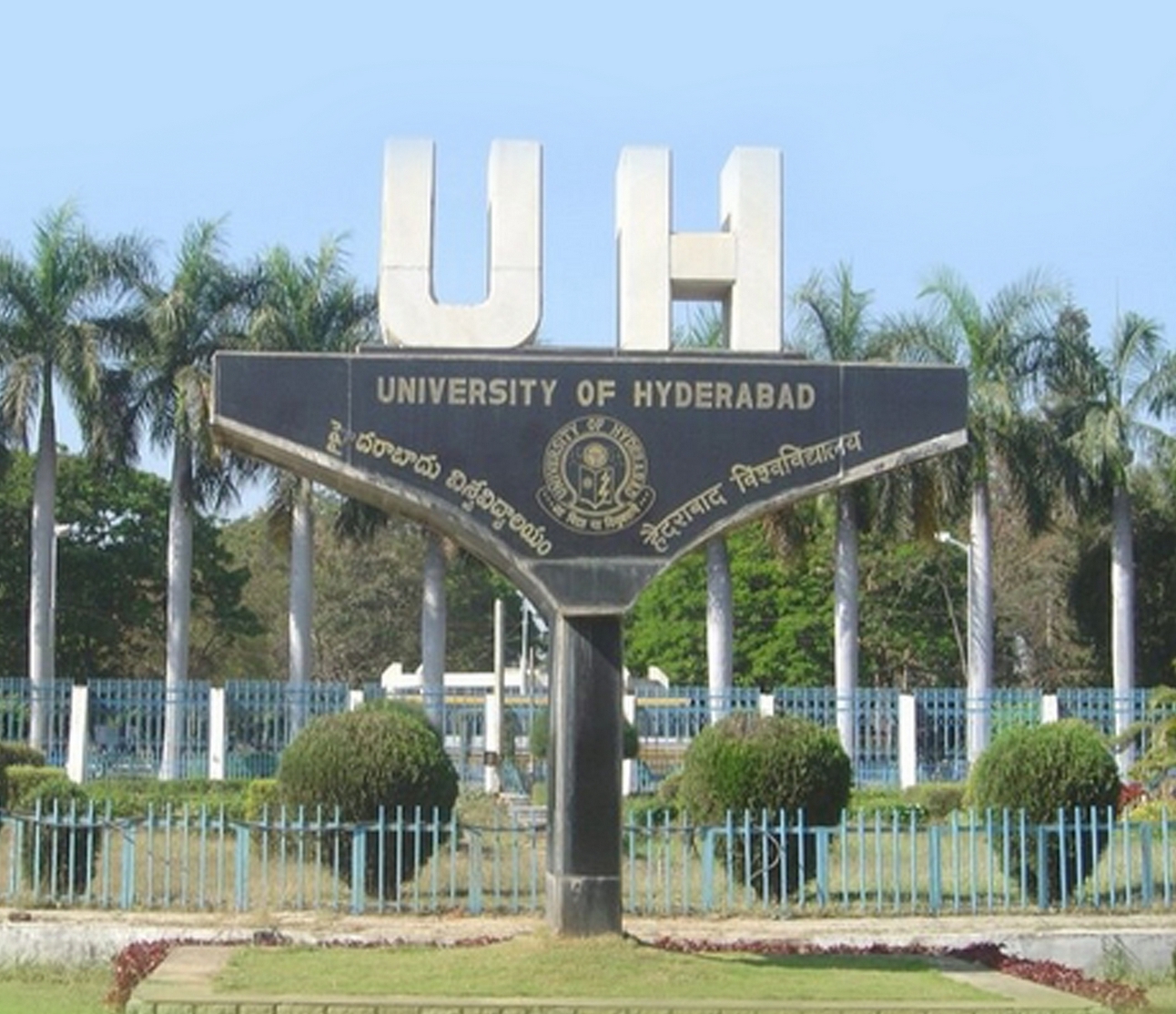
Introduction about Ph.D. in Material Science and Engineering at University of Hyderabad
The University of Hyderabad, a premier centre of excellence in research and higher education, offers a rigorous Ph.D. in Material Science and Engineering designed for aspiring scholars and industry leaders. This interdisciplinary programme blends fundamentals of physics, chemistry, and engineering to address emerging challenges in nanomaterials, sustainable composites, and advanced manufacturing. With state‑of‑the‑art laboratories, collaborations with global research institutes, and a strong emphasis on innovation, the doctorate prepares professionals to become thought‑leaders in academia, R&D, and high‑technology sectors.
Eligibility Criteria for Ph.D. in Material Science and Engineering at University of Hyderabad
Prospective candidates must satisfy the following prerequisites:
- Master’s degree (M.Sc., M.Tech., or equivalent) in Material Science, Metallurgy, Chemical Engineering, Physics, Chemistry, or a closely related discipline with a minimum of 55% marks (or 5.0 CGPA on a 10‑point scale).
- Valid GATE score in Materials Science (MS) is preferred but not mandatory; candidates without GATE may be admitted based on the university’s entrance test.
- For candidates holding a Ph.D. in a different discipline, a minimum of 3 years of research experience and a proven publication record are required.
- English language proficiency (IELTS/TOEFL) for international scholars.
Entrance Exam for Ph.D. in Material Science and Engineering at University of Hyderabad
The university conducts its own entrance examination, which evaluates the candidate’s grasp of:
- Core concepts in Material Science (thermodynamics, crystallography, phase transformations).
- Applied mathematics and statistics.
- Research methodology and scientific writing.
The test comprises multiple‑choice questions, short answer problems, and a Viva‑voce for short‑listed candidates. Candidates with a valid GATE score may be exempted from the written portion and directly invited for interview.
Fee Structure for Ph.D. in Material Science and Engineering at University of Hyderabad
| Category | Annual Fee (INR) | Notes |
|---|---|---|
| General Category (Full‑time) | ₹ 18,000 | Includes tuition, lab usage, and library access. |
| SC/ST/PWD Category (Full‑time) | ₹ 12,000 | Fee waiver as per university reservation policy. |
| Part‑time / Distance Mode | ₹ 22,000 | Higher fee to cover extended campus resources. |
| Scholarship / Fellowship (e.g., UGC‑JRF, CSIR‑NET) | ₹ 0 | Full fee exemption for awardees. |
Admission Process for Ph.D. in Material Science and Engineering at University of Hyderabad
- Online Application: Submit the application form through the university portal along with scanned copies of academic transcripts, GATE score (if any), and a research proposal.
- Entrance Test & Interview: Appear for the university’s written test (or submit GATE score) followed by a personal interview with the department’s faculty panel.
- Document Verification: Provide original certificates for identity, education, and category at the campus admission office.
- Final Admission Letter: Receive the official admission letter and complete the registration formalities, including payment of fees or scholarship confirmation.
Ph.D. Subjects and Specializations in Material Science and Engineering at University of Hyderabad
Students can tailor their research across several cutting‑edge specializations, such as:
- Nanostructured Materials & Devices
- Advanced Ceramics and Glasses
- Metallic Alloys and High‑Temperature Materials
- Polymer Composites and Sustainable Materials
- Biomaterials and Tissue Engineering
- Computational Materials Science & Modelling
- Energy Materials (batteries, fuel cells, solar cells)
Research Areas in Material Science and Engineering at University of Hyderabad
The department’s research agenda aligns with global priorities, focusing on:
- Smart Materials for IoT and Wearable Technologies
- Recyclable and Eco‑friendly Composite Materials
- High‑Performance Alloys for Aerospace and Defence
- 2D Materials (Graphene, MXenes) for Electronics
- Photocatalytic Materials for Clean Energy
- Additive Manufacturing (3D Printing) of Functional Materials
Documents Required for Ph.D. in Material Science and Engineering at University of Hyderabad
| Document | Format | Notes |
|---|---|---|
| Completed Application Form | PDF (online) | Signed digitally. |
| Academic Transcripts & Degree Certificates | Scanned PDFs | Attested originals to be presented later. |
| GATE/CSIR/UGC Score Card (if applicable) | Valid for the preceding year. | |
| Research Proposal (2,000–3,000 words) | DOCX or PDF | Should outline objectives, methodology, and expected outcomes. |
| Curriculum Vitae | Highlight publications, patents, and conference presentations. | |
| Identity Proof (Aadhaar / Passport) | For domestic and international candidates respectively. |
University of Hyderabad Ph.D. Syllabus for Material Science and Engineering
The doctoral curriculum blends coursework, seminars, and research milestones:
- Core Modules: Advanced Thermodynamics, Materials Characterization Techniques, Computational Modelling, and Research Methodology.
- Elective Modules: Nanomaterials, Sustainable Polymers, High‑Temperature Alloys, and Energy Materials.
- Seminar Series: Weekly presentations by faculty and visiting scholars.
- Comprehensive Qualifying Exam (CQE) after the first year.
- Thesis Submission and Defense: Minimum of 6 peer‑reviewed journal articles or conference papers.
How To Apply for Ph.D. in Material Science and Engineering at University of Hyderabad
Follow these steps to submit a successful application:
- Visit the official University of Hyderabad admissions portal.
- Create an account and fill in personal, academic, and research details.
- Upload scanned copies of all required documents (as listed above).
- Pay the non‑refundable application fee (₹ 1,500 for General, ₹ 800 for SC/ST).
- Submit the research proposal and await confirmation for the entrance test or interview.
- Track the application status through the portal dashboard.
Career Scope and Job Opportunities After Ph.D. in Material Science and Engineering from University of Hyderabad
Graduates enjoy a broad spectrum of career paths, including:
- Academic Positions – Assistant Professor, Post‑Doctoral Fellowships, Research Scientist.
- Industrial R&D – Senior Scientist in aerospace, automotive, electronics, and energy sectors.
- Government Research Laboratories – Positions at CSIR, DRDO, ISRO, and BARC.
- Entrepreneurship – Startup ventures focusing on advanced materials, nanotech, or sustainable composites.
- Consultancy – Technical consultancy for material selection, failure analysis, and process optimization.
Scholarship for Ph.D. in Material Science and Engineering at University of Hyderabad
Various financial aids are available to support doctoral candidates:
- UGC‑JRF & SRF – Stipends ranging from ₹ 31,000 to ₹ 35,000 per month.
- CSIR‑NET – Similar stipends with additional contingency grants.
- University Fellowships – Merit‑based scholarships covering tuition, living expenses, and travel for conferences.
- External Grants – Funding from agencies such as DST, BIRAC, and international bodies like DAAD or Fulbright.
FAQs Regarding Ph.D. in Material Science and Engineering at University of Hyderabad
- What is the minimum duration of the Ph.D. programme?
- Typically 3–5 years, depending on research progress and publication requirements.
- Can I pursue the Ph.D. part‑time while working?
- Yes, the university offers a part‑time mode with a slightly higher fee structure.
- Is GATE mandatory for admission?
- No. GATE is preferred but candidates can qualify through the university’s entrance test and interview.
- Are there opportunities for industry collaboration?
- Absolutely. The department has MoUs with leading firms such as Tata Steel, BHEL, and ISRO for joint research projects.
- How many publications are required for thesis submission?
- At least six peer‑reviewed papers or equivalent conference publications are expected.
Additional Support Services
For a smoother academic journey, consider professional assistance in the following areas:








