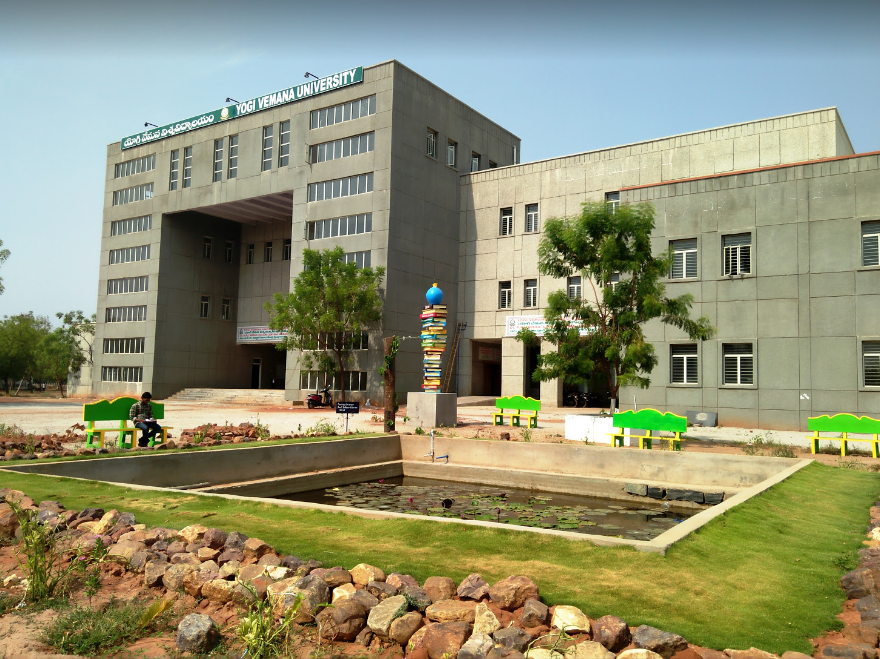
Introduction about Ph.D. in Material Science at Yogi Vemana University
Embarking on a journey toward a Ph.D. in Material Science at Yogi Vemana University (YVU) is more than just an academic pursuit; it is a commitment to pioneering the future of technology and innovation. Located in the heart of Kadapa, Andhra Pradesh, Yogi Vemana University has established itself as a premier destination for researchers who aspire to decode the complexities of matter at the atomic and molecular levels. Material Science is the backbone of modern engineering, bridging the gap between fundamental physics, chemistry, and real-world applications. Whether it is developing sustainable energy solutions, biocompatible medical implants, or next-generation semiconductors, the doctoral program at YVU provides the intellectual ecosystem required to transform visionary ideas into reality.
For professionals seeking to elevate their expertise, this program offers a rigorous yet rewarding environment. Navigating the complexities of high-level research often requires specialized support, and many scholars find that utilizing professional Thesis and Dissertation Writing Services can significantly enhance the structural integrity and academic rigor of their final submission. At Yogi Vemana University, the focus remains on fostering an environment where curiosity meets cutting-edge infrastructure, allowing doctoral candidates to push the boundaries of materials engineering and solid-state science.
Ph.D Admission 2026-2027 & Writing Support Services by Shiksha Research
Eligibility Criteria for Ph.D. in Material Science at Yogi Vemana University
To secure admission into the Ph.D. program in Material Science, candidates must meet specific academic standards designed to ensure they possess the foundational knowledge necessary for advanced research. The eligibility criteria are as follows:
- Academic Qualification: Candidates must hold a Master?s degree (M.Sc. or M.Tech) in Material Science, Physics, Chemistry, Nanotechnology, or a related discipline from a recognized university.
- Minimum Marks: A minimum of 55% aggregate marks (or an equivalent grade) is required at the postgraduate level. A relaxation of 5% is typically provided to candidates from SC/ST/OBC (non-creamy layer) and differently-abled categories as per UGC guidelines and state government norms.
- Work Experience: While not mandatory for all, professionals with relevant industry or research experience are highly encouraged to apply, as their practical insights often enrich the departmental research culture.
- Exemptions: Candidates who have cleared national-level examinations like GATE, CSIR-NET, or UGC-NET may be exempted from the university's entrance test, though they must still appear for the personal interview.
Entrance Exam for Ph.D. in Material Science at Yogi Vemana University
The primary gateway to the doctoral program at YVU is the APRCET (Andhra Pradesh Research Common Entrance Test). This state-level examination is conducted to assess the research aptitude and subject-specific command of the applicants. The entrance exam is divided into two parts:
- Part A: Research Methodology: This section tests the candidate's logical reasoning, data interpretation, and foundational knowledge of research ethics and techniques.
- Part B: Subject Specific (Material Science): This section focuses on core concepts such as thermodynamics, crystallography, quantum mechanics, and properties of materials.
Success in the entrance exam requires a deep understanding of core concepts. For those managing complex data sets during their preparatory research, engaging with Research Data Analysis Services can be an invaluable asset in understanding how to interpret scientific results effectively.
Fee Structure for Ph.D. in Material Science at Yogi Vemana University
Yogi Vemana University maintains a competitive and transparent fee structure to ensure that high-quality research education remains accessible. Below is an approximate breakdown of the costs involved:
| S.No | Fee Component | Approximate Amount (INR) | Frequency |
|---|---|---|---|
| 1 | Registration/Admission Fee | 5,000 - 8,000 | One-time |
| 2 | Annual Tuition Fee | 10,000 - 20,000 | Per Annum |
| 3 | Library & Laboratory Fee | 3,000 - 5,000 | Per Annum |
| 4 | Thesis Submission/Examination Fee | 10,000 - 15,000 | One-time |
| 5 | Caution Deposit (Refundable) | 2,000 - 4,000 | One-time |
Note: The fee structure is subject to change based on university regulations and state government policies. Candidates are advised to consult the official prospectus for the current academic year.
Admission Process for Ph.D. in Material Science at Yogi Vemana University
The admission process at Yogi Vemana University is designed to identify the most dedicated and capable researchers. The journey involves several critical steps:
- Notification: The university issues an official notification via its website and major newspapers regarding Ph.D. admissions (typically coinciding with the APRCET schedule).
- Application Submission: Interested candidates must apply online, providing academic transcripts and choosing their research preferences.
- Qualifying the Entrance Exam: Candidates must score above the cutoff in APRCET.
- Interview/Viva-Voce: Shortlisted candidates are invited to an interview. Here, they must present their research interest before the Departmental Research Committee (DRC).
- Guide Allocation: Based on the research interest and vacancy, a supervisor is allocated to the successful candidate.
- Final Admission: Verification of documents and payment of fees complete the enrollment process.
During the admission phase, submitting a high-quality research proposal is crucial. Many candidates utilize Research Paper Writing Services to refine their previous work and demonstrate their scholarly potential to the committee.
Ph.D. Subjects and Specializations in Material Science at Yogi Vemana University
The curriculum and research focus at YVU are broad, allowing scholars to specialize in niche areas that align with global technological trends. Key subjects and specialization areas include:
- Thermodynamics and Kinetics of Materials
- Advanced Materials Characterization Techniques (SEM, TEM, XRD)
- Solid State Physics and Chemistry
- Computational Material Science
- Thin Film Technology
- Polymers and Composite Materials
- Biomaterials and Biotechnology applications
Research Areas in Material Science at Yogi Vemana University
The department encourages interdisciplinary research that addresses contemporary challenges. Current focus areas include:
- Nanotechnology: Synthesis and application of nanoparticles in sensors and drug delivery.
- Renewable Energy: Research into perovskite solar cells, fuel cells, and hydrogen storage materials.
- Magnetic Materials: Exploring spintronics and multiferroic materials for advanced storage devices.
- Glass Science: Development of bioactive glasses and optical fibers.
- Environmental Remediation: Using photocatalytic materials to treat industrial waste.
Documents Required for Ph.D. in Material Science at Yogi Vemana University
Ensuring you have the correct documentation is vital for a smooth admission experience. Candidates generally need to provide:
- Postgraduate Degree Certificate and Marksheets (M.Sc./M.Tech)
- Undergraduate Degree Certificate (B.Sc./B.Tech)
- APRCET Rank Card and Hall Ticket
- GATE/NET/SLET Qualification Certificates (if applicable)
- Transfer Certificate (TC) and Migration Certificate
- Caste/Category Certificate (for reserved categories)
- A detailed Research Proposal/Statement of Purpose
- Passport size photographs and Identity Proof (Aadhar/Voter ID)
Yogi Vemana University Ph.D. Syllabus for Material Science
While the Ph.D. is primarily research-oriented, the initial phase includes mandatory course work designed to strengthen the candidate's methodology. The syllabus typically includes:
- Paper I: Research Methodology: Quantitative methods, computer applications in research, and ethical practices in scientific publishing.
- Paper II: Advanced Material Science: In-depth study of crystal structures, defects in solids, and mechanical properties.
- Paper III: Elective Course: Specifically tailored to the candidate's chosen research area (e.g., Nano-materials or Polymers).
- Paper IV: Review of Literature: A comprehensive analysis of existing research related to the candidate's specific topic.
How To Apply for Ph.D. in Material Science at Yogi Vemana University
To apply, follow these inspirational steps toward your doctoral goal:
- Visit the Official Portal: Access the Yogi Vemana University or the APRCET official website.
- Register Online: Create a profile and fill in your personal and academic details.
- Pay Application Fee: Use the secure online payment gateway to submit the required processing fee.
- Upload Documents: Scan and upload clear copies of all required certificates.
- Prepare for the Exam: Utilize the available syllabus to begin your preparation. Professional scholars often utilize Questionnaire Design and Development tools if their research involves surveys or qualitative data collection strategies.
- Track Status: Regularly check your email and the university portal for updates regarding the exam date and interview schedule.
Career Scope and Job Opportunities After Ph.D. in Material Science from Yogi Vemana University
The completion of a Ph.D. opens doors to elite career paths across the globe. As a doctoral graduate from YVU, you are prepared for:
- Academic Roles: Professor or Lecturer in top-tier universities and engineering colleges.
- Research Scientist: Leading R&D wings in organizations like ISRO, DRDO, BARC, and CSIR laboratories.
- Industrial Expert: Consultancy or lead researcher roles in sectors like aerospace, automotive, electronics, and pharmaceuticals.
- Entrepreneurship: Starting tech-based ventures focused on material innovation.
- Post-Doctoral Fellowships: Pursuing further specialized research in international laboratories (USA, Europe, Japan).
Scholarship for Ph.D. in Material Science at Yogi Vemana University
Yogi Vemana University supports its scholars through various financial aid programs:
- State Government Fellowships: Scholarships for SC/ST and minority candidates provided by the Andhra Pradesh government.
- University Research Fellowship (URF): Limited stipends awarded by the university based on merit and performance.
- National Fellowships: Scholars who have cleared National level exams may be eligible for JRF (Junior Research Fellowship) and SRF (Senior Research Fellowship).
- Project-Based Funding: Candidates working under funded research projects (DST, DBT, or UGC schemes) often receive monthly stipends as Research Assistants.
FAQs Regarding Ph.D. in Material Science at Yogi Vemana University
Q1: Is the Ph.D. program at Yogi Vemana University regular or part-time?
A1: YVU offers both full-time and part-time Ph.D. options. However, part-time enrollment is typically reserved for working professionals who meet specific criteria regarding their employment duration and NOC from their employer.
Q2: How long does it usually take to complete a Ph.D. in Material Science?
A2: The duration is generally between 3 to 6 years, depending on the research progress and the nature of the project.
Q3: Can I apply if my Master's is in Chemistry?
A3: Yes, candidates with an M.Sc. in Chemistry are often eligible, provided they have an interest and foundational knowledge in Material Science.
Q4: Does the university provide hostel facilities for research scholars?
A4: Yes, Yogi Vemana University provides hostel accommodation for full-time research scholars on a merit-cum-availability basis.
Q5: What is the primary language of instruction and thesis submission?
A5: The medium of instruction and the language for the final thesis submission is English.








