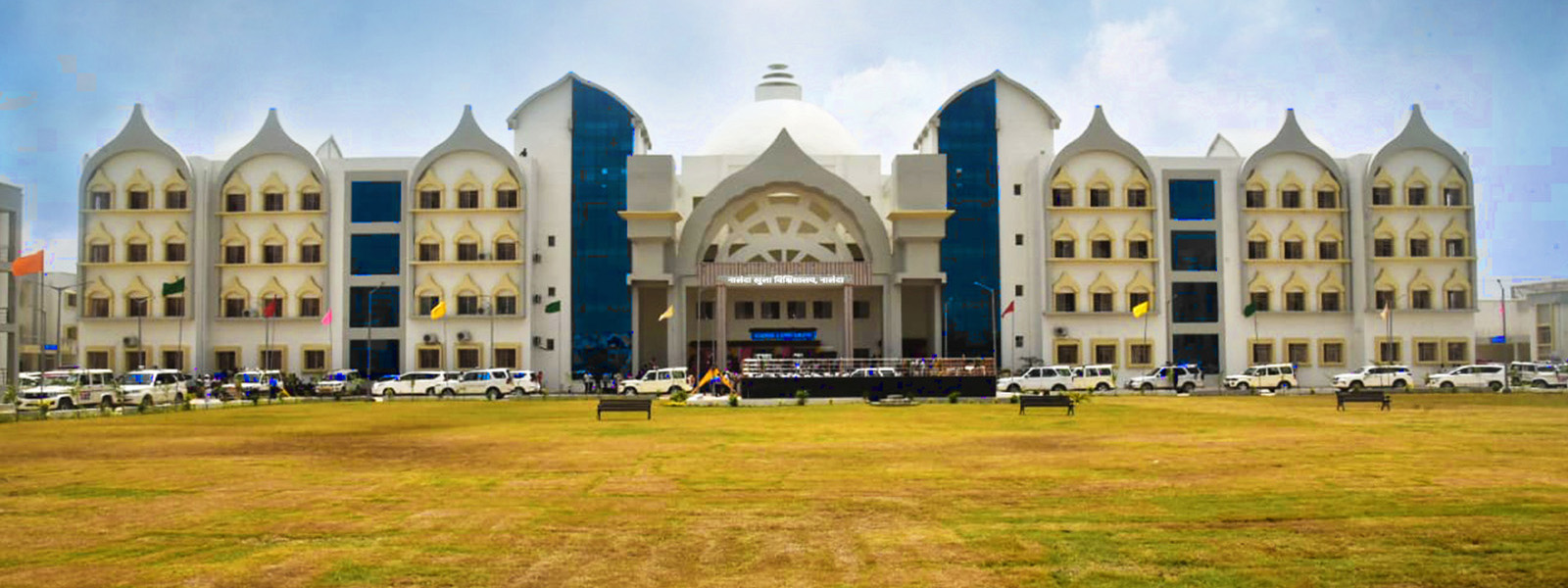
Ph.D. in Materials and Devices at Nalanda Open University
Introduction about Ph.D. in Materials and Devices at Nalanda Open University
The Ph.D. in Materials and Devices offered by Nalanda Open University is a research‑intensive programme designed for professionals who aspire to become thought leaders in advanced material science, nanotechnology, and electronic device engineering. With a curriculum that blends theoretical depth, cutting‑edge laboratory work, and industry‑relevant projects, the doctorate prepares scholars to drive innovation across sectors such as aerospace, renewable energy, biomedical devices, and semiconductor manufacturing. The programme’s flexible online delivery model ensures that working professionals can balance their career commitments while contributing to groundbreaking research.
Eligibility Criteria for Ph.D. in Materials and Devices at Nalanda Open University
Candidates must possess a Master’s degree (M.Tech, M.Sc., or equivalent) in Materials Science, Electrical Engineering, Physics, Chemistry, or a closely related discipline with a minimum aggregate of 55% (or CGPA 6.0 on a 10‑point scale). Applicants with a valid GATE score (or equivalent national level exam) are given priority. Professionals with a minimum of two years of research or industry experience may also apply, provided they demonstrate a strong research proposal and a robust academic record.
Entrance Exam for Ph.D. in Materials and Devices at Nalanda Open University
The university conducts a comprehensive entrance test covering fundamentals of material characterization, device physics, and research methodology. The exam consists of:
- Section A – Core Concepts (30 MCQs)
- Section B – Analytical Reasoning (20 MCQs)
- Section C – Research Aptitude (Essay & Proposal Brief)
Candidates may also qualify through a national level entrance exam such as GATE, JAM, or CSIR‑NET. A personal interview and presentation of the research proposal follow the written test.
Fee Structure for Ph.D. in Materials and Devices at Nalanda Open University
The fee structure is transparent and designed to accommodate both full‑time scholars and working professionals. Tuition fees are payable annually, with a modest registration charge.
| Component | Annual Fee (INR) | One‑Time Fee (INR) |
|---|---|---|
| Tuition & Coursework | 45,000 | — |
| Laboratory & Research Facilities | 25,000 | — |
| Library & Digital Resources | 8,000 | — |
| Registration & Administration | — | 12,000 |
| Total (per year) | 78,000 | 12,000 |
Scholarships, research grants, and industry sponsorships can offset up to 50% of the total cost for eligible candidates.
Admission Process for Ph.D. in Materials and Devices at Nalanda Open University
The admission cycle follows a structured pathway:
- Online application submission through the university portal.
- Upload of academic transcripts, GATE/NET scores (if any), and a detailed research proposal.
- Payment of the non‑refundable application fee.
- Entrance examination (online or centre‑based) followed by a personal interview.
- Final merit list issuance and admission confirmation.
Candidates who require assistance with their proposal or documentation may benefit from professional services such as Editing and Proofreading Services, PhD Topic Selection and Proposal Assistance, and PhD Admission Assistance.
Ph.D. Subjects and Specializations in Materials and Devices at Nalanda Open University
The programme offers a range of specializations allowing scholars to tailor their research focus:
- Nanostructured Materials & Devices
- Advanced Semiconductor Physics
- Biomaterials and Medical Devices
- Energy Materials for Batteries & Supercapacitors
- Polymeric & Composite Materials
- Optoelectronic Devices and Photonics
Research Areas in Materials and Devices at Nalanda Open University
Faculty members and industry partners collaborate on high‑impact research themes, including:
- 2D Materials and Van‑der‑Waals Heterostructures
- Quantum Dot Devices for Sensing Applications
- Smart Materials for Adaptive Structures
- High‑Temperature Superconductors
- Flexible Electronics and Wearable Sensors
- Metal‑Organic Frameworks for Energy Storage
Documents Required for Ph.D. in Materials and Devices at Nalanda Open University
| Document | Format | Remarks |
|---|---|---|
| Academic Transcripts (M.Tech/M.Sc.) | PDF (Scanned) | Attested copies required |
| GATE/NET Score Card (if applicable) | Valid for the last 5 years | |
| Research Proposal (2,000‑3,000 words) | DOCX or PDF | Include objectives, methodology, and expected outcomes |
| Curriculum Vitae | Highlight publications, patents, and project experience | |
| Identity Proof (Aadhaar / Passport) | Government‑issued ID |
Nalanda Open University Ph.D. Syllabus for Materials and Devices
The syllabus is organized into three semesters of coursework followed by comprehensive research work:
- Semester 1: Advanced Materials Characterization, Solid‑State Physics, Research Methodology.
- Semester 2: Device Fabrication Techniques, Nano‑electronics, Statistical Data Analysis.
- Semester 3: Intellectual Property Rights, Scientific Writing, Thesis Preparation.
Students also benefit from optional workshops on Research Publication Support and Patent Filing and Support Services, ensuring their innovations reach global platforms.
How To Apply for Ph.D. in Materials and Devices at Nalanda Open University
Follow these steps to submit a successful application:
- Visit the official university admissions portal and create a user account.
- Complete the online application form, selecting “Materials and Devices – Ph.D.” as the programme.
- Upload all required documents as per the checklist.
- Pay the application fee via net banking or credit card.
- Submit the application and note the reference number for tracking.
Career Scope and Job Opportunities After Ph.D. in Materials and Devices from Nalanda Open University
Graduates secure high‑impact roles such as:
- Senior Research Scientist – Semiconductor Industry
- R&D Manager – Renewable Energy Solutions
- Principal Investigator – National Research Laboratories
- Academic Faculty – Universities & Institutes
- Technology Consultant – Emerging Materials Start‑ups
- Intellectual Property Analyst – Patent Law Firms
The growing demand for experts in nanomaterials, flexible electronics, and sustainable energy devices ensures lucrative career paths both in academia and industry.
Scholarship for Ph.D. in Materials and Devices at Nalanda Open University
The university, in partnership with governmental and private bodies, offers several scholarship schemes:
- UGC‑CSIR Fellowship – Full tuition waiver and monthly stipend.
- National Scholarship for Women Researchers – 50% fee discount and research grant.
- Industry Sponsored Fellowship – Project‑based funding from leading tech firms.
- Merit‑Based Tuition Waiver – For candidates with a CGPA above 8.5.
FAQs Regarding Ph.D. in Materials and Devices at Nalanda Open University
- What is the minimum duration of the Ph.D. programme?
- The standard duration is three years for full‑time candidates and five years for part‑time professionals.
- Can I pursue the Ph.D. while working full‑time?
- Yes. The programme offers flexible online coursework and scheduled laboratory visits to accommodate working professionals.
- Is there a provision for collaborative research with industry?
- Absolutely. The university maintains MoUs with leading material‑technology firms, enabling joint projects and sponsored research.
- What are the language requirements?
- All coursework and thesis submission must be in English. Non‑native speakers may need to provide IELTS/TOEFL scores if their prior education was not in English.
- How many publications are required for thesis submission?
- At least two peer‑reviewed journal articles or conference papers are recommended, though exceptions can be made based on the quality of research.
- Do I receive a stipend during my research?
- Stipends are available through fellow








