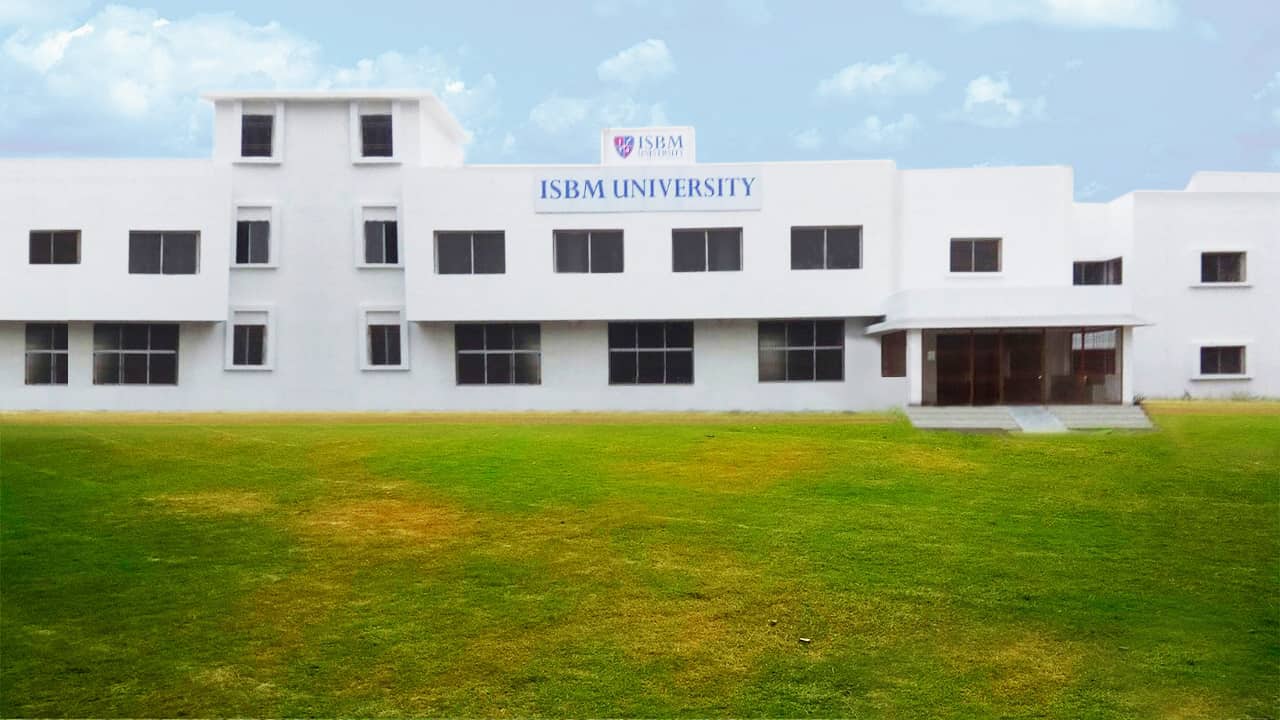
Ph.D. in Media Science from ISBM University: Eligibility, Entrance Exam, Fee Structure, Admission Process, Subjects, Research Areas, Syllabus, Scholarship & Career Scope
Introduction about Ph.D. in Media Science at ISBM University
The Doctor of Philosophy (Ph.D.) in Media Science at ISBM University is designed for seasoned professionals who aspire to become thought leaders in the rapidly evolving media landscape. This interdisciplinary program blends rigorous research methodology with cutting‑edge media theory, empowering scholars to influence policy, drive innovation, and shape future media practices. Whether you aim to explore digital journalism, media ethics, audience analytics, or emerging broadcast technologies, ISBM University offers a research‑centric environment backed by state‑of‑the‑art facilities and a distinguished faculty.
Eligibility Criteria for Ph.D. in Media Science at ISBM University
- A master’s degree (M.A., M.Sc., M.Com., or equivalent) in Media Studies, Journalism, Communication, Mass Communication, or a closely related discipline with a minimum of 55% aggregate (or CGPA 6.0 on a 10‑point scale).
- Candidates possessing a NET/UGC-JRF qualification are exempted from the university‑level entrance test.
- Professionals with a minimum of 3 years of relevant work experience in media, advertising, public relations, or digital content creation may apply under the “Professional Experience” category, provided they meet the academic threshold.
- Applicants must have a valid score in English proficiency (IELTS 6.0 or TOEFL 80) if the medium of prior education was not English.
Entrance Exam for Ph.D. in Media Science at ISBM University
The entrance examination evaluates a candidate’s research aptitude, theoretical foundation, and analytical capabilities. The test structure includes:
- Section A – Research Methodology (30 marks): Concepts of qualitative and quantitative research, hypothesis formulation, and data interpretation.
- Section B – Media Theory & Contemporary Issues (40 marks): Media effects models, digital transformation, media law, and ethics.
- Section C – General Aptitude (30 marks): Logical reasoning, data analysis, and English proficiency.
Shortlisted candidates are invited for a personal interview and a research proposal presentation. The interview assesses research relevance, originality, and the candidate’s alignment with faculty expertise.
Fee Structure for Ph.D. in Media Science at ISBM University
| Component | Annual Cost (INR) | Notes |
|---|---|---|
| Tuition Fee | 1,20,000 | Applicable for each academic year (minimum 3 years, maximum 5 years) |
| Laboratory & Resource Charges | 15,000 | Includes access to media labs, software licenses, and digital archives |
| Examination & Evaluation Fee | 10,000 | Per semester assessment and thesis evaluation |
| Library & Campus Facilities | 5,000 | All‑access to university libraries, online databases, and co‑working spaces |
| Total Approximate Cost (3‑Year Programme) | 4,20,000 | Excluding scholarships, waivers, or external funding |
Admission Process for Ph.D. in Media Science at ISBM University
- Online Application: Fill the web‑based application form, upload scanned copies of academic certificates, work experience letters, and passport‑size photograph.
- Application Fee Payment: Pay a non‑refundable fee of INR 2,500 via net banking or credit/debit card.
- Entrance Test & Interview: Appear for the university entrance exam (or submit NET/UGC‑JRF score). Qualified candidates are called for an interview and proposal defense.
- Document Verification: Submit original documents for verification at the Admission Office within the stipulated window.
- Admission Confirmation: Receive the official admission letter and enrollment instructions via email.
Ph.D. Subjects and Specializations in Media Science at ISBM University
- Digital Journalism and New Media
- Media Policy, Law, and Ethics
- Audience Analytics and Big Data in Media
- Broadcast Technology and Production Management
- Strategic Communication and Public Relations
- Media Entrepreneurship and Innovation
- Cross‑cultural Media Studies
Research Areas in Media Science at ISBM University
Faculty members guide doctoral candidates across diverse research domains, including but not limited to:
- Impact of Artificial Intelligence on Newsroom Practices
- Social Media Influence on Political Mobilization
- Ethical Frameworks for Data‑Driven Advertising
- Sustainability of OTT Platforms in Emerging Markets
- Digital Literacy and Misinformation Management
- Virtual Reality (VR) and Augmented Reality (AR) in Storytelling
- Gender Representation in Contemporary Media Content
Documents Required for Ph.D. in Media Science at ISBM University
| Document | Requirement |
|---|---|
| Academic Transcripts (10+2, Graduation, Post‑Graduation) | Original + Certified Copies |
| NET/UGC‑JRF Score Card (if applicable) | Original |
| Research Proposal (500–800 words) | Typed, Signed |
| Work Experience Certificate (for Professional Category) | Original + Attested Copy |
| Proof of Identity (Aadhaar, Passport, or Voter ID) | Original |
| Passport‑Size Photographs (4) | Recent, White background |
ISBM University Ph.D. Syllabus for Media Science
The syllabus is structured into three core phases: Foundations, Advanced Research, and Dissertation.
- Foundations (Year 1): Research Methodology, Media Theories, Quantitative & Qualitative Techniques, Ethics in Media Research.
- Advanced Research (Year 2‑3): Specialized electives aligned with chosen specialization, Data Analysis Workshops, Seminar Series, Publication of conference papers.
- Dissertation (Year 3‑5): Original research project, periodic progress reviews, final thesis submission, and viva‑voce examination.
How To Apply for Ph.D. in Media Science at ISBM University
Follow these step‑by‑step instructions to submit a successful application:
- Visit the official ISBM University website and navigate to the Ph.D. Admissions portal.
- Register using a valid email address and create a secure password.
- Complete the personal and academic sections, ensuring consistency with your uploaded certificates.
- Upload a concise research proposal that outlines objectives, literature review, methodology, and expected contributions.
- Pay the application fee and submit the form. You will receive an acknowledgment email with a unique application ID.
- Monitor your email for notifications regarding the entrance test schedule, interview invitation, and document verification slots.
Career Scope and Job Opportunities After Ph.D. in Media Science from ISBM University
Graduates emerge as subject‑matter experts ready to influence academia, industry, and policy. Typical career paths include:
- University Faculty & Research Fellowships: Lecturer, Assistant Professor, or Research Fellow in reputed institutions.
- Media Strategy & Consulting: Senior Analyst, Media Planner, or Consultant for global advertising agencies.
- Content Leadership: Editor‑in‑Chief, Head of Digital Content, or Chief Storytelling Officer in news houses and OTT platforms.
- Policy & Regulation: Advisor for governmental bodies, regulatory commissions, or NGOs focusing on media literacy.
- Entrepreneurship: Founder of media startups, tech‑driven news portals, or data‑analytics firms.
With the growing demand for evidence‑based media solutions, a Ph.D. in Media Science positions you at the forefront of innovation and thought leadership.
Scholarship for Ph.D. in Media Science at ISBM University
ISBM University offers merit‑based and need‑based scholarships to support deserving candidates:
- Merit Scholarship: Up to 50% tuition waiver for candidates securing top 10% in the entrance exam.
- Research Grant: Funding of INR 1,00,000 per annum for projects aligned with university‑sponsored research clusters.
- Industry Sponsored Fellowship: Collaborative projects with media houses that provide stipends and real‑world data access.
- Women Empowerment Scholarship: Additional INR 30,000 per semester for eligible female scholars.
Applicants should indicate their scholarship preference in the application form and attach relevant supporting documents (e.g., income proof, recommendation letters).
FAQs Regarding Ph.D. in Media Science at ISBM University
- Q1: Is work experience mandatory for admission?
- No. While professional experience strengthens the application, it is not a mandatory requirement. Candidates with a strong academic record can secure admission based on their research proposal and entrance test performance.
- Q2: Can I pursue the Ph.D. part‑time while working?
- Yes. ISBM University offers a flexible








