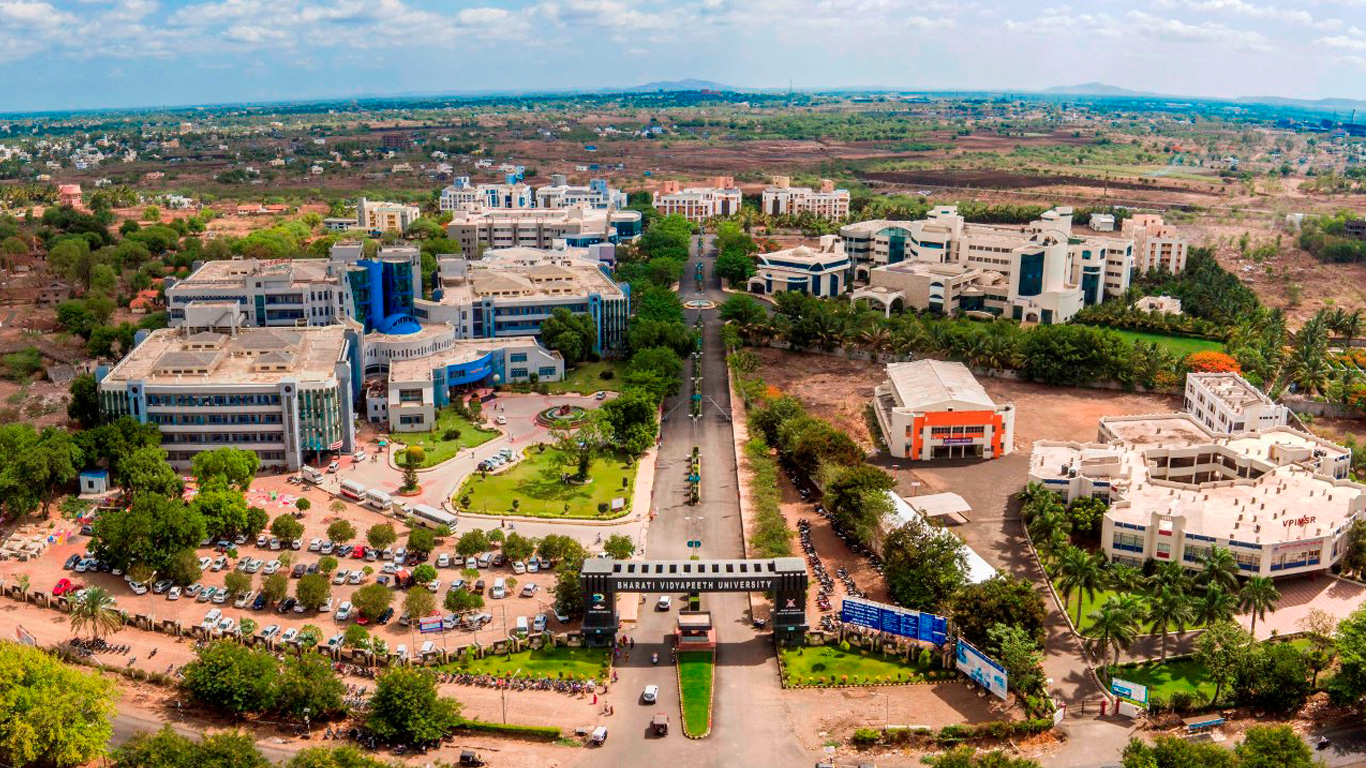
Introduction about Ph.D. in Medical Biochemistry at Bharati Vidyapeeth
Embarking on a journey toward a Ph.D. in Medical Biochemistry at Bharati Vidyapeeth is more than just an academic pursuit; it is a commitment to advancing the frontiers of human health and molecular medicine. Bharati Vidyapeeth (Deemed to be University), a prestigious institution known for its clinical excellence and research-driven environment, offers a robust academic framework for scholars. Medical Biochemistry sits at the intersection of biology and medicine, deciphering the chemical processes that govern life, disease, and healing. For professionals looking to transition from clinical practice or laboratory management into the realm of high-impact research, this program provides the state-of-the-art infrastructure and mentorship required to decode complex metabolic pathways and genetic expressions. By choosing this path, you are positioning yourself at the vanguard of diagnostic innovation and therapeutic discovery.
Ph.D Admission 2026-2027 & Writing Support Services by Shiksha Research
Eligibility Criteria for Ph.D. in Medical Biochemistry at Bharati Vidyapeeth
To maintain a high standard of academic excellence, Bharati Vidyapeeth mandates specific prerequisites for candidates aspiring to enter the doctoral program. The eligibility criteria are designed to ensure that the scholar possesses a strong foundational knowledge in life sciences and clinical biochemistry.
- Educational Qualification: Candidates must hold a Master?s degree in Medical Biochemistry, Biochemistry, Molecular Biology, or a related field (such as MD/MS in relevant specializations) from a recognized university.
- Minimum Marks: A minimum of 55% aggregate marks (or an equivalent grade 'B' in the UGC 7-point scale) is required at the postgraduate level.
- Relaxation: A relaxation of 5% marks (from 55% to 50%) is typically permitted for candidates belonging to SC/ST/OBC (non-creamy layer) and differently-abled categories.
- Professional Experience: While not always mandatory, professional experience in clinical labs or research institutions is highly valued during the selection process.
Entrance Exam for Ph.D. in Medical Biochemistry at Bharati Vidyapeeth
Admission to the Ph.D. program is primarily governed by the All India Ph.D. Entrance Test conducted by Bharati Vidyapeeth. This rigorous assessment evaluates the candidate's aptitude for research and their depth of subject knowledge.
The entrance exam generally consists of two segments:
- Research Methodology: Testing logical reasoning, data interpretation, and foundational research ethics.
- Subject-Specific Knowledge: Focusing on Advanced Medical Biochemistry, Clinical Pathology, and Cell Biology.
Fee Structure for Ph.D. in Medical Biochemistry at Bharati Vidyapeeth
Investing in a Ph.D. is an investment in your future as a thought leader in the medical sciences. The fee structure at Bharati Vidyapeeth is competitive and reflects the high-end laboratory facilities provided to researchers.
| Fee Component | Approximate Amount (INR) | Frequency |
|---|---|---|
| Application & Entrance Fee | ?2,500 - ?3,500 | One-time |
| Tuition Fee (Indian Students) | ?70,000 - ?1,20,000 | Per Annum |
| Registration Fee | ?10,000 - ?15,000 | One-time |
| Laboratory/Bench Fee | ?20,000 - ?30,000 | Per Annum |
| Thesis Submission Fee | ?15,000 - ?20,000 | One-time |
Note: Fees are subject to university revisions and may vary based on the specific campus and academic year.
Admission Process for Ph.D. in Medical Biochemistry at Bharati Vidyapeeth
The admission process is transparent and follows a meritocratic approach to select the best minds in the field. It involves the following phases:
- Online Application: Submission of the application form through the official university portal within the stipulated deadlines.
- Entrance Testing: Appearing for the Ph.D. Entrance Test (PET) or presenting valid UGC/CSIR-NET scores.
- Proposal Submission: Shortlisted candidates must draft a comprehensive research abstract. Professional PhD Topic Selection and Proposal Assistance can help in refining your research question to match the university's focus.
- Personal Interview/Viva Voce: Discussion with the Departmental Research Committee regarding the feasibility and significance of the proposed research.
- Final Selection: Based on the combined performance in the entrance test, interview, and academic record.
Ph.D. Subjects and Specializations in Medical Biochemistry at Bharati Vidyapeeth
The curriculum is designed to transform students into independent investigators. While the Ph.D. is largely research-based, course work is mandatory to bridge any knowledge gaps. Specialization areas include:
- Clinical Biochemistry: Focusing on diagnostic markers and metabolic disorders.
- Molecular Endocrinology: Studying hormonal regulation and biochemical signaling.
- Nutritional Biochemistry: Analyzing the impact of micro and macronutrients on disease prevention.
- Toxicology and Enzymology: Exploring enzyme kinetics and the biochemical impact of toxins.
- Cancer Bioenergetics: Investigating the metabolic reprogramming of malignant cells.
Research Areas in Medical Biochemistry at Bharati Vidyapeeth
Research at Bharati Vidyapeeth is characterized by its clinical relevance. Scholars are encouraged to work on projects that have potential bedside applications. Key research areas include:
- Diabetes Mellitus and Metabolic Syndrome.
- Cardiovascular Biomarkers and Oxidative Stress.
- Genetic Polymorphism in Chronic Diseases.
- Proteomics and Genomics for Personalized Medicine.
- Immunochemistry and Inflammatory Markers.
Securing patents for novel diagnostic kits or methods is a highlight of the department's vision. Scholars often utilize Patent Filing and Support Services to protect their intellectual property during the course of their study.
Documents Required for Ph.D. in Medical Biochemistry at Bharati Vidyapeeth
Candidates must ensure they have processed and attested versions of the following documents for a smooth admission experience:
- Postgraduate Degree Certificate and Marksheets (M.Sc./M.D.).
- Undergraduate Marksheets and Degree (B.Sc./M.B.B.S).
- Entrance Exam Scorecard (PET/NET/SET).
- Aadhar Card or Passport for identity verification.
- Transfer Certificate (TC) and Migration Certificate.
- Detailed Research Proposal (Duly signed).
- No Objection Certificate (NOC) from current employer, if applicable.
- Caste Certificate (if claiming reservation).
Bharati Vidyapeeth Ph.D. Syllabus for Medical Biochemistry
The Ph.D. coursework at Bharati Vidyapeeth is structured to provide scholars with the methodological tools needed for high-quality data collection. The syllabus generally covers:
- Core Course 1: Research Methodology: Statistics, experimental design, bioinformatics, and computer applications in research.
- Core Course 2: Advanced Medical Biochemistry: Latest trends in clinical diagnostics, molecular techniques (PCR, Blotting), and analytical instrumentation (HPLC, Mass Spectrometry).
- Ethical Guidelines: Institutional Biosafety, Animal Ethics, and Human Clinical Trial regulations.
- Scientific Writing: Developing the skills to publish in high-impact journals. Many scholars choose to engage Editing and Proofreading Services to ensure their final dissertation meets international standards.
How To Apply for Ph.D. in Medical Biochemistry at Bharati Vidyapeeth
The application journey is digital-first, ensuring accessibility for professionals nationwide:
- Visit the official Bharati Vidyapeeth University admissions portal.
- Register with a valid email and phone number.
- Fill in the personal, academic, and professional details.
- Upload scanned copies of required documents and a recent photograph.
- Pay the application fee via the integrated secure payment gateway.
- Submit the form and take a printout for future reference.
- Monitor the website for entrance exam dates and admit card releases.
Career Scope and Job Opportunities After Ph.D. in Medical Biochemistry from Bharati Vidyapeeth
A Ph.D. from Bharati Vidyapeeth opens doors to prestigious roles in both the public and private sectors. The career trajectory for a doctorate holder in Medical Biochemistry is diverse and impactful:
- Academician: Professor or Researcher in medical colleges and universities.
- Clinical Scientist: Leading diagnostic laboratories and R&D wings of hospitals.
- Pharmaceutical Researcher: Contributing to drug discovery and metabolic screening in biotech firms.
- Quality Control Manager: Ensuring biochemical standards in food and drug industries.
- Government Scientist: Roles in ICMR, CSIR, and DBT laboratories.
Professionals who have made significant societal contributions through their research may eventually be recognized with Honorary Doctorate Programs as a testament to their lifelong dedication. Furthermore, to maximize the reach of your doctoral findings, leveraging Research Publication Support is essential for getting published in indexed journals like Scopus or Web of Science.
Scholarship for Ph.D. in Medical Biochemistry at Bharati Vidyapeeth
To support meritorious students and dedicated researchers, several financial aid options are available:
- University Research Fellowships: Awarded to top-ranking entrance exam candidates.
- CSIR/UGC JRF/SRF: Monthly stipends for candidates who have qualified the national eligibility tests.
- Project Fellowships: Funding available through sponsored research projects from agencies like DST or ICMR.
- Institutional Fee Waivers: Available for faculty members or internal candidates under specific university schemes.
FAQs Regarding Ph.D. in Medical Biochemistry at Bharati Vidyapeeth
1. What is the minimum duration of the Ph.D. program?
The minimum duration is 3 years, including coursework, and the maximum is usually 6 years.
2. Can I pursue this Ph.D. while working?
Yes, professionals can apply, but they must provide an NOC from their employer and complete the mandatory six-month residency coursework.
3. Is the Bharati Vidyapeeth Ph.D. degree UGC recognized?
Absolutely. Bharati Vidyapeeth is a Deemed University recognized by the UGC and accredited with an 'A+' grade by NAAC.
4. How often are applications invited?
Applications are typically invited once or twice a year, depending on the availability of seats under the supervisors.
5. What is the importance of a research supervisor?
Your supervisor guides your technical work and ensures your research adheres to the academic standards of the university.








