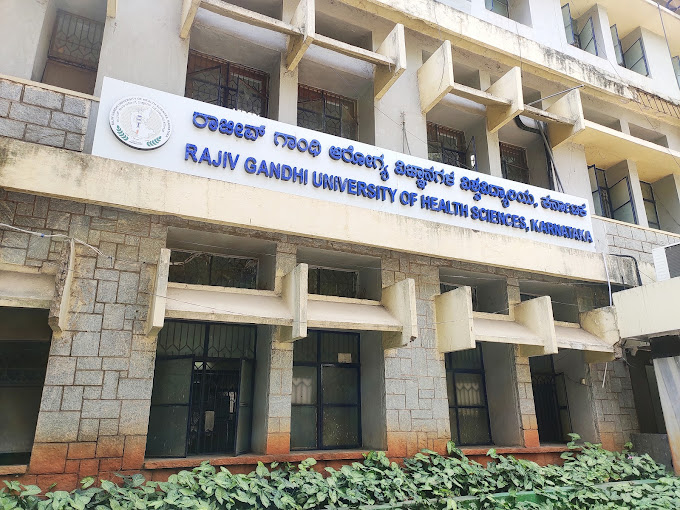
Ph.D. in Medical Epidemiology from Rajiv Gandhi University of Health Sciences: Eligibility, Entrance Exam, Fee Structure, Admission Process, Subjects, Research Areas, Syllabus, Scholarship & Career Scope
Introduction about Ph.D. in Medical Epidemiology at Rajiv Gandhi University of Health Sciences
Pursuing a Ph.D. in Medical Epidemiology at Rajiv Gandhi University of Health Sciences (RGUHS) opens doors to cutting‑edge research that shapes public health policies across India and the globe. The program blends rigorous quantitative methods with real‑world applications, empowering scholars to investigate disease patterns, evaluate interventions, and drive evidence‑based decision making. Whether you aim to lead academic departments, consult for governmental agencies, or spearhead research in international health organizations, RGUHS provides a supportive ecosystem of seasoned faculty, state‑of‑the‑art laboratories, and collaborative networks.
Ph.D Admission 2026-2027 & Writing Support Services by Shiksha Research
Eligibility Criteria for Ph.D. in Medical Epidemiology at Rajiv Gandhi University of Health Sciences
To qualify for the doctoral programme, candidates must meet the following minimum standards:
- Hold a Master’s degree (M.Sc., M.Phil., or equivalent) in Epidemiology, Public Health, Biostatistics, Medicine, or a closely related discipline with at least 55% aggregate marks (50% for SC/ST/OBC).
- For candidates with a Bachelor’s degree (B.Sc./MBBS) followed by a minimum of three years of relevant research or professional experience, the university may consider a direct entry route subject to a qualifying entrance test.
- Qualify the university‑conducted Ph.D. entrance examination and subsequent interview.
- Proficiency in English (both written and spoken) is essential for dissertation preparation and international collaborations.
Entrance Exam for Ph.D. in Medical Epidemiology at Rajiv Gandhi University of Health Sciences
The entrance exam evaluates the candidate’s grasp of epidemiological concepts, statistics, and research methodology. The test is conducted in two phases:
- Written Test (Online): 100 multiple‑choice questions covering:
- Core epidemiology (study designs, measures of disease frequency, bias, confounding)
- Biostatistics (regression models, survival analysis, sample size calculation)
- Public health principles and health policy
- Research ethics and data management
- Viva‑Voce Interview: A panel of subject experts assesses research aptitude, motivation, and suitability for doctoral study. Candidates are expected to discuss a brief research proposal and past academic achievements.
Fee Structure for Ph.D. in Medical Epidemiology at Rajiv Gandhi University of Health Sciences
| Category | Annual Fee (INR) | Notes |
|---|---|---|
| General Category | 45,000 | Includes tuition, library, and lab usage |
| SC/ST/OBC (Non‑creamy layer) | 30,000 | Reduced fee per university policy |
| International Students | 70,000 | Additional charges for foreign exchange |
| Scholarship / Assistantship (if awarded) | 0 – 45,000 | Full or partial remission based on merit |
Admission Process for Ph.D. in Medical Epidemiology at Rajiv Gandhi University of Health Sciences
The admission journey is systematic and transparent:
- Online Application: Submit the application form through the RGUHS portal, upload scanned copies of academic certificates, and pay the non‑refundable application fee.
- Document Verification: The university’s admission cell verifies eligibility documents and issues a provisional admit card for the entrance exam.
- Entrance Examination: Appear for the written test on the scheduled date.
- Interview & Proposal Review: Shortlisted candidates are invited for a viva‑voce and may be asked to present a research proposal outline.
- Final Admission Offer: Successful candidates receive an admission letter along with details of fee payment and registration.
- Registration & Orientation: Complete registration, attend orientation sessions, and get assigned a faculty supervisor.
Ph.D. Subjects and Specializations in Medical Epidemiology at Rajiv Gandhi University of Health Sciences
RGUHS offers a flexible curriculum with the following specialization tracks:
- Infectious Disease Epidemiology
- Chronic Disease Epidemiology
- Environmental & Occupational Health Epidemiology
- Genetic & Molecular Epidemiology
- Health Services & Policy Evaluation
- Biostatistical Modelling in Epidemiology
Research Areas in Medical Epidemiology at Rajiv Gandhi University of Health Sciences
Students are encouraged to align their dissertation with high‑impact research domains, such as:
- COVID‑19 and Emerging Infectious Threats
- Non‑communicable diseases (NCDs) trends in urban India
- Vaccination efficacy and coverage mapping
- Air pollution and respiratory health outcomes
- Health equity and social determinants of disease
- Big data analytics for disease surveillance
Documents Required for Ph.D. in Medical Epidemiology at Rajiv Gandhi University of Health Sciences
| Document | Format | Remarks |
|---|---|---|
| Academic Transcripts (M.Sc./M.Phil.) | PDF, scanned copy | Original plus attested copy |
| Degree Certificate | Verified by university | |
| Research Proposal (Brief – 2 pages) | Word / PDF | Outline of objectives, methodology, and expected outcomes |
| Curriculum Vitae | Include publications, conferences, and research experience | |
| Proof of Identity (Aadhaar / Passport) | Government issued ID | |
| Category Certificate (if applicable) | SC/ST/OBC, etc. |
Rajiv Gandhi University of Health Sciences Ph.D. Syllabus for Medical Epidemiology
The syllabus is divided into core modules, elective clusters, and research milestones:
- Core Modules (Year 1)
- Epidemiologic Methods and Study Designs
- Advanced Biostatistics for Health Research
- Health Data Management and GIS Mapping
- Research Ethics and Regulatory Frameworks
- Elective Clusters (Year 2)
- Infectious Disease Modelling
- Chronic Disease Surveillance
- Environmental Health Metrics
- Health Policy Analysis
- Research Milestones
- Comprehensive Literature Review (Month 6)
- Methodology Development & Pilot Study (Month 12)
- Data Collection & Analysis (Month 24)
- Thesis Submission and Defense (Month 36–48)
How To Apply for Ph.D. in Medical Epidemiology at Rajiv Gandhi University of Health Sciences
Follow these step‑by‑step instructions to submit a successful application:
- Visit the official RGUHS website and navigate to the “Post‑Graduate Admissions” section.
- Register using a valid email address and create a secure password.
- Fill in personal details, academic background, and upload the required documents (see the table above).
- Pay the online application fee (INR 1,500 for general category).
- Save and submit the application before the announced deadline.
- Prepare for the entrance test using past year papers and recommended reading lists available on the portal.
- After clearing the test, schedule your interview and submit a concise research proposal.
Career Scope and Job Opportunities After Ph.D. in Medical Epidemiology from Rajiv Gandhi University of Health Sciences
Graduates enjoy a broad spectrum of career paths, including:
- Senior Epidemiologist – Ministry of Health & Family Welfare, Government of India
- Research Scientist – Indian Council of Medical Research (ICMR), WHO, UNICEF
- Professor / Dean – Medical colleges and public health schools
- Data Analytics Lead – Pharmaceutical & Biotechnology firms
- Policy Advisor – International development agencies and NGOs
- Consultant – Private health‑care providers and insurance companies
The growing emphasis on evidence‑based health interventions guarantees steady demand for experts who can translate complex data into actionable policies.
Scholarship for Ph.D. in Medical Epidemiology at Rajiv Gandhi University of Health Sciences
RGUHS provides several financial assistance schemes:
- RGUHS Merit‑Based Fellowship: Covers full tuition and offers a monthly stipend of INR 15,000.
- National Fellowship (UGC‑CSIR): Open to candidates with a minimum of 70% in their master’s degree.
- Industry‑Sponsored Research Grants: Partnerships with leading health‑tech companies provide project‑based funding.
- External Scholarships: Candidates may apply for the National Health Mission Scholarship or the World Bank Health Research Grant.








