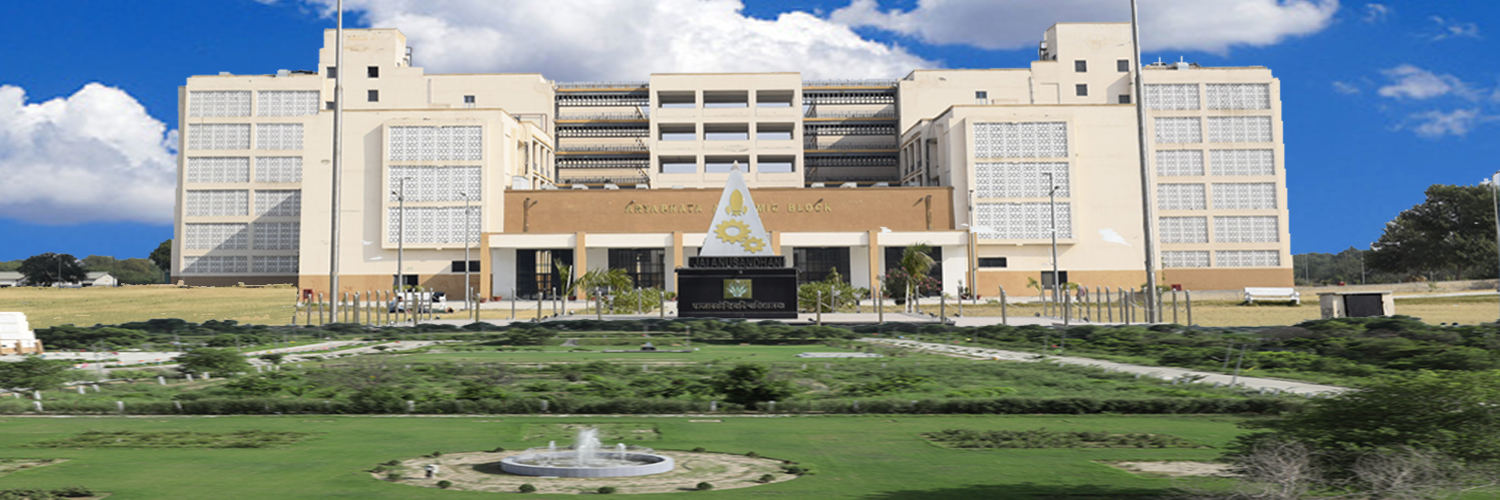
Ph.D. in Microbial Sciences from Central University of Punjab: Eligibility, Entrance Exam, Fee Structure, Admission Process, Subjects, Research Areas, Syllabus, Scholarship & Career Scope
Introduction about Ph.D. in Microbial Sciences at Central University of Punjab
The Ph.D. in Microbial Sciences at Central University of Punjab is a world‑class research programme designed for professionals who aspire to become pioneers in microbiology, biotechnology, and allied disciplines. This doctoral degree blends rigorous coursework with cutting‑edge laboratory research, enabling scholars to address global challenges such as antimicrobial resistance, industrial bioprocess optimisation, and environmental sustainability.
Students benefit from state‑of‑the‑art facilities, collaborative projects with leading biotech firms, and mentorship from internationally recognised faculty members. The programme encourages an inspirational and innovative mindset, preparing graduates to lead transformational research initiatives worldwide.
Ph.D Admission 2026-2027 & Writing Support Services by Shiksha Research
Eligibility Criteria for Ph.D. in Microbial Sciences at Central University of Punjab
Prospective candidates must satisfy the following eligibility requirements:
- Master’s degree (M.Sc., M.Tech., M.Pharma, or equivalent) with a minimum of 55% marks (or 5.0 CGPA) from a recognised university.
- Eligibility for the National Eligibility Test (NET) or the UGC Junior Research Fellowship (JRF) is preferred but not mandatory.
- Strong foundation in microbiology, molecular biology, biochemistry, or related life‑science disciplines.
- English language proficiency (IELTS 6.0 or TOEFL 80) for international applicants.
Entrance Exam for Ph.D. in Microbial Sciences at Central University of Punjab
Admission is primarily based on the University’s Ph.D. Entrance Test, which assesses:
- Fundamental concepts of microbiology, genetics, and biochemistry.
- Analytical reasoning and problem‑solving abilities.
- Research aptitude through a written proposal summary.
Candidates with qualifying NET/JRF scores are exempted from the written test and may proceed directly to the interview stage.
Fee Structure for Ph.D. in Microbial Sciences at Central University of Punjab
| Fee Component | Amount (INR) | Remarks |
|---|---|---|
| University Admission Fee | 10,000 | One‑time payable at registration |
| Annual Tuition & Lab Charges | 45,000 | Includes access to core labs and library resources |
| Research Project Grant (Optional) | 50,000 – 1,00,000 | Depends on project scope; may be funded by external agencies |
| Scholarship / Stipend | — | Fully waivable for candidates awarded university or government scholarships |
Admission Process for Ph.D. in Microbial Sciences at Central University of Punjab
- Online Application: Fill the digital application form available on the university’s official website.
- Upload Documents: Submit academic transcripts, research proposal, and proof of NET/JRF (if applicable).
- Entrance Examination: Appear for the university‑conducted Ph.D. test or submit NET/JRF scorecard.
- Personal Interview: Shortlisted candidates are invited for a panel interview focusing on research interests and methodology.
- Final Selection: Admission is confirmed through an offer letter, followed by payment of the admission fee.
- Enrollment: Register for courses, allocate a research supervisor, and commence the doctoral programme.
Ph.D. Subjects and Specializations in Microbial Sciences at Central University of Punjab
The doctoral programme offers a range of specializations, allowing candidates to tailor their research focus:
- Industrial Microbiology & Biotechnology
- Medical Microbiology & Immunology
- Environmental Microbiology & Bioremediation
- Food Microbiology & Safety
- Microbial Genetics & Genomics
- Antimicrobial Drug Discovery
Research Areas in Microbial Sciences at Central University of Punjab
Faculty members lead high‑impact projects in the following domains:
- CRISPR‑based microbial engineering
- Metagenomic analysis of soil and marine ecosystems
- Probiotic development for health and nutrition
- Bioprocess optimisation for enzyme production
- Antibiotic resistance mechanisms and novel therapeutics
- Bio‑informatics pipelines for microbial genome annotation
Documents Required for Ph.D. in Microbial Sciences at Central University of Punjab
| Document | Format | Notes |
|---|---|---|
| Academic Transcripts (M.Sc./M.Tech.) | PDF, scanned copy | Must be attested by the issuing university |
| Research Proposal (2,000–3,000 words) | Word/PDF | Include objectives, methodology, and expected outcomes |
| NET/JRF Scorecard (if applicable) | Only for candidates seeking exemption from entrance exam | |
| Curriculum Vitae | Highlight publications, projects, and relevant experience | |
| Letter of Recommendation (2) | From academicians or industry experts familiar with your work | |
| Proof of English Proficiency | IELTS/TOEFL for foreign nationals |
Central University of Punjab Ph.D. Syllabus for Microbial Sciences
The syllabus is structured into three phases:
- Core Coursework (Year 1): Advanced Microbial Physiology, Molecular Techniques, Biostatistics, Research Ethics, and Scientific Writing.
- Specialized Modules (Year 2): Choose two electives aligned with your specialization, such as “Industrial Bioprocess Engineering” or “Clinical Microbiology”.
- Thesis Research (Years 2‑4): Conduct original research, publish in peer‑reviewed journals, and defend the dissertation before an expert panel.
How To Apply for Ph.D. in Microbial Sciences at Central University of Punjab
Follow these concise steps to submit a successful application:
- Visit the official Ph.D. admission portal and create a user account.
- Complete the online application form, ensuring all mandatory fields are filled accurately.
- Upload the required documents (see “Documents Required” table) and pay the non‑refundable application fee.
- Submit the research proposal and, if applicable, attach your NET/JRF scorecard.
- Monitor your email for notifications regarding the entrance exam schedule or interview invitation.
- Upon acceptance, confirm your admission by paying the admission fee and completing the enrolment formalities.
Career Scope and Job Opportunities After Ph.D. in Microbial Sciences from Central University of Punjab
Graduates of this doctoral programme enjoy a broad spectrum of career pathways:
- Academia: Assistant Professor, Post‑doctoral Fellow, Research Group Leader.
- Research Institutes: Senior Scientist at CSIR, ICMR, or international microbiology labs.
- Biotech & Pharmaceutical Industry: R&D Manager, Product Development Scientist, Clinical Research Specialist.
- Government & Regulatory Bodies: Policy Analyst, Quality Assurance Officer, Bio‑surveillance Expert.
- Entrepreneurship: Founder of biotech start‑ups focusing on probiotic foods, bio‑fertilizers, or diagnostic kits.
The demand for experts in microbial sciences is accelerating, driven by the need for sustainable agriculture, novel therapeutics, and advanced diagnostic technologies.
Scholarship for Ph.D. in Microbial Sciences at Central University of Punjab
Several financial assistance schemes are available to merit‑based and need‑based candidates:
- University Merit Scholarship: Up to 100% tuition waiver and a monthly stipend of INR 12,000.
- UGC‑JRF / NET Fellowship: Government‑funded stipend of INR 31,000 per month.
- Corporate Sponsored Fellowships: Partnerships with leading biotech firms offering project‑based funding.
- External Grants: Eligibility for DST‑SERB, DBT, and international fellowships such as Fulbright or DAAD.
FAQs Regarding Ph.D. in Microbial Sciences at Central University of Punjab
- 1. What is the minimum duration of the Ph.D. program?
- The programme is designed for a minimum of 3 years and a maximum of 5 years, subject to satisfactory progress.
- 2. Can working professionals enroll part‑time?
- Yes, the university offers a part‑time track for qualified professionals, allowing flexible scheduling of coursework and research activities.
- 3. Is industry collaboration mandatory for the thesis?
- No, while industry collaborations are encouraged and beneficial, a thesis can be completed solely under university supervision.
- 4. Are publications required for graduation?
- At least two peer‑reviewed journal articles (








