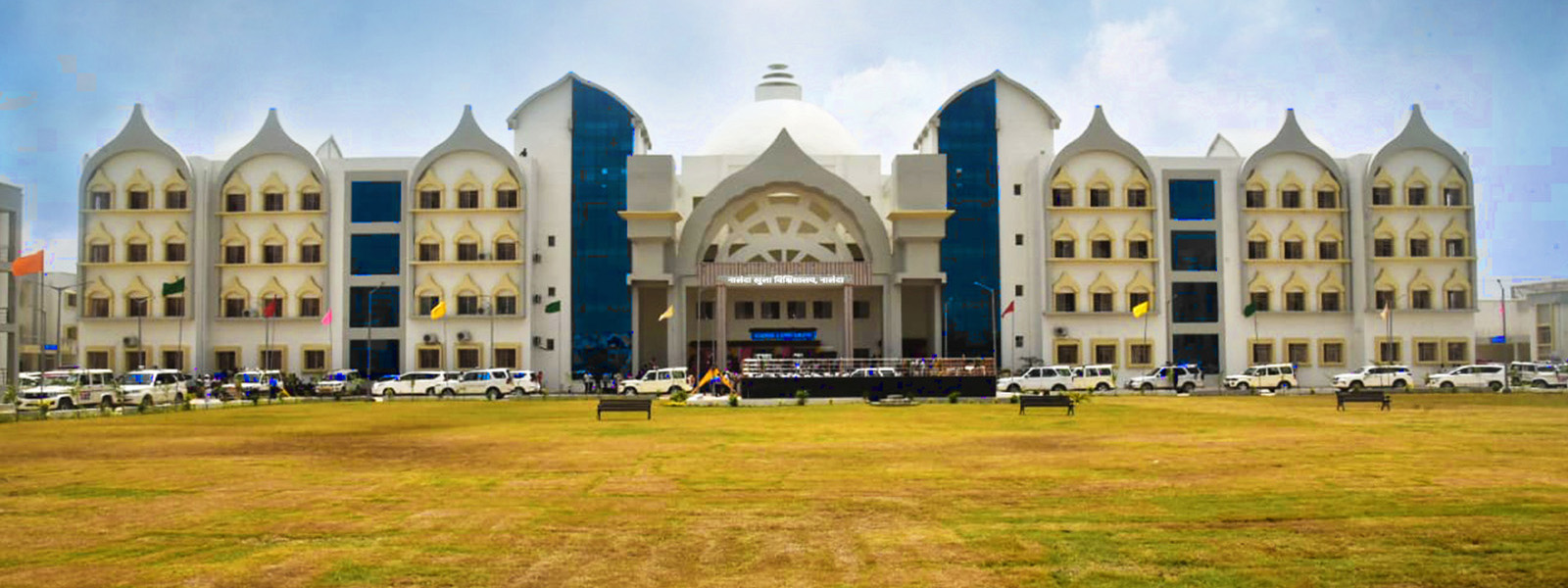
Introduction about Ph.D. in Microbial Technology at Nalanda Open University
Embarking on a Ph.D. in Microbial Technology at Nalanda Open University opens a gateway to cutting‑edge research, transformative innovations, and a rewarding academic career. Designed for professionals who aspire to lead in biotechnology, environmental sustainability, and industrial microbiology, this doctoral program blends rigorous coursework with hands‑on research under the mentorship of seasoned scientists. Whether you aim to develop novel bioprocesses, pioneer microbial genomics, or influence policy, the program equips you with the expertise and confidence to make a lasting impact.
Eligibility Criteria for Ph.D. in Microbial Technology at Nalanda Open University
Prospective candidates must meet the following baseline requirements:
- Master’s degree (M.Sc., M.Tech., M.Pharm., or equivalent) with a minimum of 55% marks (or 5.5 CGPA) from a recognized university.
- Relevant background in microbiology, biotechnology, biochemistry, genetics, or related life‑science disciplines.
- For candidates holding a B.Sc. with 4 years of research/industry experience, the university may consider direct admission after a qualifying test.
- Age limit: No upper age restriction for candidates holding a valid research proposal.
- English proficiency – minimum IELTS 6.0 or equivalent for international applicants.
Entrance Exam for Ph.D. in Microbial Technology at Nalanda Open University
The entrance assessment evaluates candidates on both theoretical knowledge and research aptitude. It comprises two stages:
- Written Test (100 marks) – Topics include microbiology fundamentals, molecular biology, bioprocess engineering, statistics, and research methodology.
- Interview & Research Proposal Review (50 marks) – Candidates present a concise research proposal (max 1500 words) and discuss its feasibility, novelty, and alignment with faculty expertise.
Preparation guides, sample papers, and past year question banks are available on the university’s portal. A strong performance can also lead to direct admission without the written test for candidates with exemplary research publications.
Fee Structure for Ph.D. in Microbial Technology at Nalanda Open University
| Component | Amount (INR) |
|---|---|
| Application & Registration Fee | 2,500 |
| Entrance Examination Fee | 3,000 |
| Annual Tuition (per year) | 45,000 |
| Laboratory & Infrastructure Charges (one‑time) | 10,000 |
| Thesis Submission & Evaluation Fee | 5,000 |
| Total Approx. (3‑year program) | 146,500 |
Fee concessions are available for meritorious candidates, government‑sponsored scholars, and women researchers. Late payment penalties apply as per university policy.
Admission Process for Ph.D. in Microbial Technology at Nalanda Open University
The admission journey is structured to ensure transparency and fairness:
- Online Application Submission – Complete the digital form, upload academic transcripts, and pay the non‑refundable registration fee.
- Document Verification – The admissions office validates certificates and experience letters.
- Entrance Examination – Eligible candidates sit for the written test at designated centers.
- Interview & Proposal Evaluation – Shortlisted aspirants discuss their research ideas with the faculty panel.
- Final Selection & Offer Letter – Successful candidates receive an official admission letter and enrollment instructions.
All steps are tracked via the university’s Applicant Tracking System, allowing candidates to monitor status in real time.
Ph.D. Subjects and Specializations in Microbial Technology at Nalanda Open University
The doctoral program offers a spectrum of specializations, enabling scholars to tailor their research to emerging industry needs:
- Industrial Microbiology & Fermentation Technology
- Environmental Biotechnology (Bioremediation, Waste Treatment)
- Medical Microbiology & Antimicrobial Resistance
- Microbial Genomics & Synthetic Biology
- Food Microbiology & Safety
- Bioinformatics of Microbial Communities
Faculty mentors are strategically matched with each specialization to foster interdisciplinary collaboration.
Research Areas in Microbial Technology at Nalanda Open University
Key research thrusts align with national priorities and global scientific challenges:
- Development of bio‑fuels from lignocellulosic biomass.
- Engineering probiotic strains for gut health enhancement.
- Novel antimicrobial peptide discovery.
- Microbial consortia for wastewater valorization.
- CRISPR‑based tools for microbial genome editing.
- Big‑data analytics for metagenomic profiling.
Students are encouraged to publish in high‑impact journals and file patents for commercially viable inventions.
Documents Required for Ph.D. in Microbial Technology at Nalanda Open University
| Document | Details |
|---|---|
| Completed Application Form (online) | PDF format, signed electronically |
| Academic Transcripts & Degree Certificates | Original & scanned copies (PDF, 300 dpi) |
| Research Proposal (max 1500 words) | Includes objectives, methodology, and expected outcomes |
| Proof of Research/Industry Experience | Letter from employer or project supervisor |
| Letter of Recommendation (2) | From academic or professional mentors |
| Identity Proof (Aadhar/Passport) | Scanned copy |
| English Proficiency Certificate (if applicable) | IELTS/TOEFL score report |
Nalanda Open University Ph.D. Syllabus for Microbial Technology
The syllabus is divided into three phases, ensuring a balanced mix of coursework, lab work, and dissertation:
- Phase I – Foundation Courses (6 months)
- Advanced Microbial Physiology
- Biostatistics & Research Methodology
- Ethics in Biotechnology
- Phase II – Specialization Modules (12 months)
- Fermentation Engineering
- Environmental Microbiology
- Genomic Techniques & Bioinformatics
- Phase III – Thesis & Publication (24 months)
- Experimental Design & Data Analysis
- Manuscript Preparation & Journal Submission
- Defense & Viva‑voce
How To Apply for Ph.D. in Microbial Technology at Nalanda Open University
Follow these step‑by‑step instructions to submit a successful application:
- Visit the official university portal and click on Ph.D. Admissions 2026.
- Register using your email address and create a secure password.
- Fill in personal, academic, and professional details.
- Upload the required documents (refer to the Documents Required table).
- Pay the application fee via net banking, credit card, or UPI.
- Submit the research proposal and select a preferred supervisor from the faculty list.
- After confirmation, download the admit card for the entrance examination.
- Prepare for the test, attend the interview, and await the final selection letter.
Need assistance with the application or proposal? Our partner services can help:








