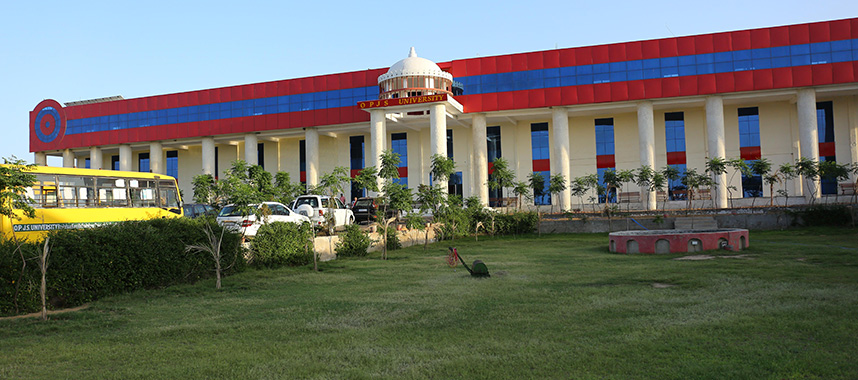
Ph.D. in Microbial Technology at OPJS University: Eligibility, Entrance Exam, Fee Structure, Admission Process, Subjects, Research Areas, Syllabus, Scholarship & Career Scope
Introduction about Ph.D. in Microbial Technology at OPJS University
OPJS University has emerged as a leading hub for advanced research in microbiology and bioprocess engineering. The Doctor of Philosophy (Ph.D.) in Microbial Technology is crafted for professionals who aspire to push the frontiers of microbial science, develop sustainable biotechnological solutions, and lead cutting‑edge projects in industry or academia. With state‑of‑the‑art laboratories, collaborations with global biotech firms, and an ecosystem that fosters innovation, the program offers an inspirational pathway for scholars determined to make a transformative impact.
Ph.D Admission 2026-2027 & Writing Support Services by Shiksha Research
Eligibility Criteria for Ph.D. in Microbial Technology at OPJS University
- Master’s degree (M.Sc., M.Tech., M.Pharma) in Microbiology, Biotechnology, Biochemistry, Food Science, or a closely related discipline with a minimum of 55% aggregate (or equivalent CGPA of 6.0/10).
- Qualified national-level entrance test (e.g., UGC‑NET, CSIR‑UGC NET) or OPJS University Ph.D. entrance examination.
- For candidates with a professional background, a minimum of 2 years of relevant R&D experience is considered an additional asset.
- Proficiency in English (minimum IELTS 6.0 or TOEFL 80) for international candidates.
Entrance Exam for Ph.D. in Microbial Technology at OPJS University
The university conducts a comprehensive written test followed by a personal interview. The written test evaluates:
- Fundamental concepts in microbiology, genetics, and bioprocess engineering.
- Analytical skills and problem‑solving abilities through case studies.
- Research aptitude, including literature review and proposal drafting.
Applicants who have cleared UGC‑NET or CSIR‑NET are exempted from the written test but must attend the interview.
Fee Structure for Ph.D. in Microbial Technology at OPJS University
| Component | Annual Fee (INR) | Notes |
|---|---|---|
| Tuition & Lab Charges | 80,000 | Includes access to all core facilities. |
| Library & Digital Resources | 12,000 | Unlimited e‑journal access. |
| Research Project Grant (mandatory) | 30,000 | For consumables, culture media, and fieldwork. |
| Miscellaneous (seminars, workshops) | 5,000 | Optional but recommended. |
| Total Approx. per Year | 1,27,000 | Subject to annual revision. |
Admission Process for Ph.D. in Microbial Technology at OPJS University
- Online Application: Submit the application through the university portal along with scanned copies of academic certificates.
- Entrance Examination: Appear for the written test (if applicable) and attend the interview.
- Document Verification: Upload declared documents in the portal; the admission committee will validate them.
- Offer Letter: Successful candidates receive an official admission letter via email.
- Enrollment & Fee Payment: Complete enrollment by paying the initial fee within 15 days of the offer.
Ph.D. Subjects and Specializations in Microbial Technology at OPJS University
Students may choose from a range of specialized streams:
- Industrial Microbiology & Bioprocess Engineering
- Environmental Microbiology & Bioremediation
- Food Microbiology & Safety
- Medical Microbiology & Vaccine Development
- Genomics and Synthetic Biology
Research Areas in Microbial Technology at OPJS University
OPJS University encourages interdisciplinary research that addresses global challenges. Key research domains include:
- Development of microbial consortia for waste valorisation.
- Engineering of probiotic strains for functional foods.
- Exploration of extremophiles for bio‑catalysis.
- Antimicrobial resistance mechanisms and novel therapeutics.
- Algal–microbial hybrid systems for biofuel production.
Documents Required for Ph.D. in Microbial Technology at OPJS University
| Document | Format | Remarks |
|---|---|---|
| Academic Transcripts (10+2, Graduation, Post‑Graduation) | PDF (Scanned) | Verified originals to be submitted on campus. |
| Entrance Exam Scorecard | UGC‑NET/CSIR‑NET or OPJS entrance test. | |
| Research Proposal (2,000‑3,000 words) | DOCX or PDF | td>Outline objectives, methodology and expected outcomes.|
| Curriculum Vitae | Include publications, patents, and project experience. | |
| Letter of Recommendation (2) | From academic or industry mentors. |
OPJS University Ph.D. Syllabus for Microbial Technology
The syllabus is structured into core modules, elective courses, and research milestones:
- Core Modules (Year 1): Advanced Microbial Physiology, Bioprocess Design, Molecular Genetics, Bioinformatics for Microbiology.
- Electives (Year 2): Choose two from: Fermentation Technology, Environmental Biotechnology, Food Safety Microbiology, Clinical Microbiology, Synthetic Biology.
- Research Milestones: Literature Review, Methodology Development, Data Analysis, Thesis Writing and Defense.
How To Apply for Ph.D. in Microbial Technology at OPJS University
Follow these step‑by‑step instructions to submit a successful application:
- Visit the official OPJS University Ph.D. portal and create a user account.
- Fill in personal and academic details; upload the required documents (as listed above).
- Pay the non‑refundable application fee of INR 2,500 via online banking.
- Schedule the entrance exam (if applicable) and prepare using the PhD Topic Selection and Proposal Assistance service for a compelling research proposal.
- Track the status of your application on the portal and respond promptly to any queries from the admission committee.
Career Scope and Job Opportunities After Ph.D. in Microbial Technology from OPJS University
A doctorate in Microbial Technology opens doors to high‑impact careers across multiple sectors:
- Industry: Senior R&D Scientist, Process Development Manager, Bioprocess Engineer, Quality Assurance Lead in pharmaceuticals, food & beverage, and biofuel companies.
- Academia: Assistant Professor, Post‑Doctoral Fellow, Department Head, or Research Coordinator.
- Entrepreneurship: Founder of biotech start‑ups focusing on microbial products, bio‑remediation services, or health supplements.
- Government & NGOs: Policy analyst, regulatory affairs specialist, or consultant for environmental and public health projects.
Graduates also benefit from the university’s strong industry tie‑ups, leading to collaborative projects, internships, and placement opportunities.
Scholarship for Ph.D. in Microbial Technology at OPJS University
OPJS University offers merit‑based and need‑based scholarships, including:
- University Merit Scholarship: Up to 50% tuition waiver for candidates with >75% in post‑graduation.
- Research Fellowship: INR 30,000 per annum for outstanding research proposals.
- External Grants: Assistance in applying for CSIR, DST, and DBT funded projects.
Students are encouraged to explore the Editing and Proofreading Services to enhance the quality of their publications, which can strengthen scholarship applications.
FAQs Regarding Ph.D. in Microbial Technology at OPJS University
- Q1: What is the duration of the Ph.D. program?
- A: Typically 3‑4 years, depending on research progress and publication requirements.
- Q2: Can I pursue the Ph.D. part‑time while working?
- A: Yes, the university offers a flexible part‑time mode for working professionals.
- Q3: Is there a requirement for teaching assistantship?
- A: All candidates are expected to assist in teaching undergraduate labs for at least one semester.
- Q4: How does the university support publication?
- A: Through the Research Publication Support service, students receive guidance on manuscript preparation, journal selection, and open‑access funding.
- Q5: Are patents encouraged?
- A: Absolutely. The university provides Patent Filing and Support Services to help convert innovative research into intellectual property.
- Q6: What if I need help with the admission paperwork?
- A: The PhD Admission Assistance team can guide you through each step, ensuring a smooth application experience.
- Q7: Does OPJS offer honorary doctorates?
- A: Yes, distinguished professionals can apply for the Honorary Doctorate Programs to recognize their contributions.








