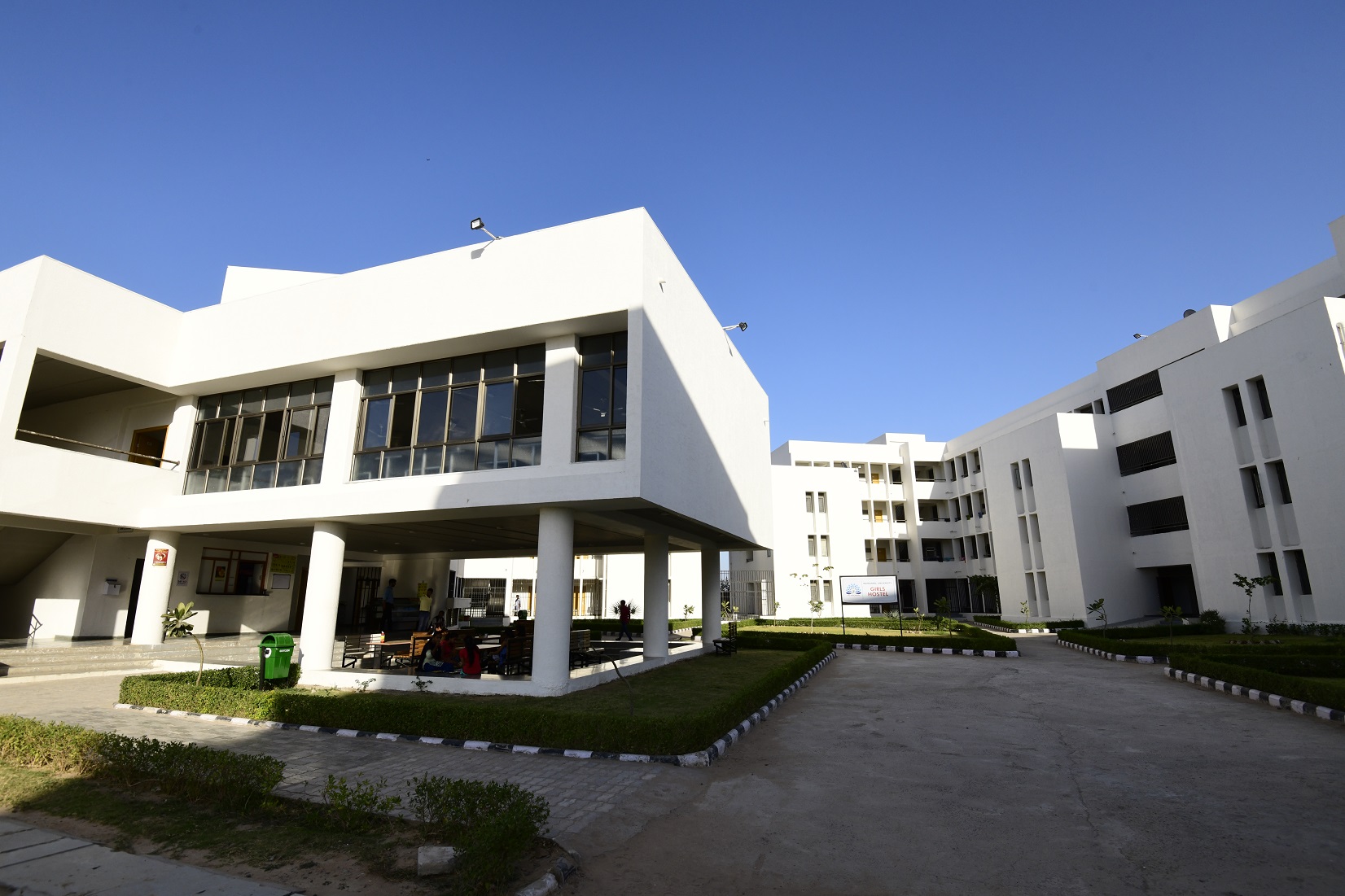
Introduction about Ph.D. in Microbiology at Invertis University
Embarking on a journey toward a Ph.D. in Microbiology from Invertis University is more than just an academic pursuit; it is a commitment to joining the vanguard of scientific discovery. Microbiology, the study of the unseen architects of our world, stands at the intersection of health, sustainability, and technological innovation. Invertis University, located in the heart of Bareilly, Uttar Pradesh, offers a research environment that is both rigorous and nurturing, designed for professionals who aspire to leave a lasting legacy in the scientific community. Whether you are aiming to solve global health crises or pioneer biotechnological breakthroughs, this program provides the intellectual infrastructure and state-of-the-art facilities necessary to transform your vision into reality.
Ph.D Admission 2026-2027 & Writing Support Services by Shiksha Research
Eligibility Criteria for Ph.D. in Microbiology at Invertis University
To maintain a high standard of research excellence, Invertis University outlines specific eligibility criteria for aspiring doctoral candidates. Professionalism and a strong academic foundation are prerequisites for this intensive program. The following are the general requirements:
- Post-Graduation: Candidates must hold a Master?s degree (M.Sc.) in Microbiology, Biotechnology, Life Sciences, or a related discipline from a recognized university.
- Minimum Marks: A minimum aggregate of 55% marks (or an equivalent CGPA) is required at the postgraduate level. A relaxation of 5% is typically provided to SC/ST/OBC (non-creamy layer) and differently-abled candidates as per government norms.
- Professional Experience: While not mandatory, candidates with prior research experience or industry exposure are given preference during the selection process.
Entrance Exam for Ph.D. in Microbiology at Invertis University
Securing admission into the Ph.D. program requires clearing the Invertis University Common Entrance Test (IUCET). This exam is meticulously designed to assess the candidate's research aptitude and core subject knowledge. The test generally comprises two sections: Research Methodology and Subject-Specific Microbiology topics. However, the university recognizes the achievements of researchers who have already proven their mettle in national-level examinations. Candidates who have qualified for UGC-NET, CSIR-NET, GATE, or SLET are often exempt from the written entrance exam and are invited directly for the personal interview phase.
Fee Structure for Ph.D. in Microbiology at Invertis University
Investing in a Ph.D. is an investment in your future leadership within the scientific domain. Invertis University offers a competitive fee structure that reflects its commitment to providing high-quality education and research resources. Below is an indicative breakdown of the fee components:
| Particulars | Fee Details (Approximate) |
|---|---|
| Registration & Application Fee | ? 1,500 - ? 2,500 (One-time) |
| Annual Tuition Fee | ? 50,000 - ? 70,000 (Per Year) |
| Lab & Research Facility Charges | ? 10,000 - ? 15,000 (Per Annum) |
| Thesis Submission & Evaluation Fee | ? 15,000 - ? 20,000 (At the time of submission) |
| Caution Money (Refundable) | ? 5,000 (One-time) |
Note: The fee structure is subject to change based on university policy and the specific requirements of the research project.
Admission Process for Ph.D. in Microbiology at Invertis University
The admission process is designed to identify candidates with an inquisitive mind and a passion for scientific inquiry. The step-by-step journey includes:
- Application Submission: Interested candidates must fill out the online or offline application form available on the university website.
- Entrance Test: Eligible candidates appear for the IUCET or provide proof of exemption (NET/GATE).
- Research Proposal Defense: Shortlisted candidates are invited for an interview where they discuss their proposed research area and its relevance.
- Final Selection: A merit list is prepared based on the entrance score, interview performance, and academic consistency.
- Coursework Commencement: Upon selection, candidates enroll for the mandatory six-month coursework period.
Ph.D. Subjects and Specializations in Microbiology at Invertis University
The doctoral curriculum at Invertis is robust, covering both fundamental principles and modern advancements. Candidates can choose to specialize in diverse sub-fields, ensuring their research remains highly relevant to industry needs. Key focus areas include:
- Microbial Genetics and Molecular Biology
- Industrial Microbiology and Fermentation Technology
- Medical Microbiology and Immunology
- Environmental Microbiology and Bioremediation
- Food and Agricultural Microbiology
- Virology and Mycology
Research Areas in Microbiology at Invertis University
Invertis University fosters an environment of innovation where research is conducted to solve real-world problems. Scholars are encouraged to explore interdisciplinary paths. A crucial part of this phase involves the meticulous gathering of data. Professional scholars often utilize Questionnaire Design and Development services to ensure their surveys and clinical tools are statistically sound and methodologically robust. Common research themes include microbial drug resistance, the development of bio-pesticides, and the study of gut microbiomes for human health optimization.
Documents Required for Ph.D. in Microbiology at Invertis University
Maintaining a professional portfolio is essential during the admission process. Candidates should keep the following documents ready:
- High School and Intermediate Certificates and Marksheets
- Bachelor?s and Master?s Degree Transcripts
- Migration and Transfer Certificates
- Research Proposal (Synopsis)
- Valid Proof of Identity (Aadhar/Passport)
- Passport-sized Photographs
- Caste/Category Certificate (if applicable)
- NOC from the current employer (for working professionals)
Invertis University Ph.D. Syllabus for Microbiology
The syllabus for the Ph.D. program is divided into two distinct phases: Coursework and the Thematic Research Period. The coursework phase typically lasts six months and covers:
- Research Methodology: Fundamentals of scientific design, ethics, and literature review.
- Biostatistics and Computational Tools: Essential for interpreting complex biological data. For advanced projects, scholars may leverage expert Research Data Analysis Services to enhance the precision of their findings.
- Advanced Microbiology: In-depth study of the latest technological trends in microbial research.
- Scientific Communication: Training in technical writing and presentation skills.
How To Apply for Ph.D. in Microbiology at Invertis University
The application process is streamlined for the convenience of modern professionals. Candidates can visit the official Invertis University website and navigate to the 'Admissions' section. There, they can select the Ph.D. program and fill out the form, uploading the necessary digital documents and paying the application fee through secure online gateways. For those who prefer the traditional route, forms are available at the campus admission office in Bareilly.
Career Scope and Job Opportunities After Ph.D. in Microbiology from Invertis University
A Ph.D. in Microbiology opens doors to top-tier leadership roles across various sectors. The high level of expertise acquired during the program prepares you for a global career. Potential career paths include:
- Research Scientist: leading innovations in R&D labs of pharmaceutical and biotechnology firms.
- Academician: Shaping the next generation of scientists as a Professor or Dean in esteemed universities.
- Microbiologist Consultant: Advising government and private agencies on public health and food safety.
- Entrepreneurship: Launching biotech startups focused on diagnostics or sustainable solutions.
During the final stages of the program, producing a high-quality manuscript is vital for career progression. Scholars frequently consult Research Paper Writing Services to polish their manuscripts for publication in high-impact international journals. Furthermore, the final stage of the journey?submitting a comprehensive thesis?may require professional Thesis and Dissertation Writing Services to ensure the document meets all academic standards and is ready for defense.
Scholarship for Ph.D. in Microbiology at Invertis University
Invertis University believes that financial constraints should never hinder scientific progress. The university offers merit-based scholarships and research fellowships to deserving full-time scholars. Candidates who have qualified for national fellowships like JRF (Junior Research Fellowship) are provided with the requisite support to carry out their research stipend-free. Additionally, the university provides institutional fellowships for top performers in the entrance exam to promote a culture of full-time dedicated research.
FAQs Regarding Ph.D. in Microbiology at Invertis University
1. What is the duration of the Ph.D. program?
The program typically lasts between 3 to 5 years, depending on the research progress and the nature of the topic.
2. Can I pursue this Ph.D. as a part-time student?
Yes, Invertis University offers a part-time Ph.D. option for working professionals, provided they meet the residency requirements for coursework.
3. Is the Ph.D. from Invertis University UGC recognized?
Yes, Invertis University is a recognized institution, and its Ph.D. programs adhere to the guidelines set by the University Grants Commission (UGC).
4. Are there any publications required for the award of the degree?
Yes, as per UGC norms, scholars are generally required to publish at least two research papers in peer-reviewed or Scopus-indexed journals before submitting their thesis.
5. What kind of laboratory support is provided for Microbiology students?
The university provides advanced labs equipped with PCR, HPLC, incubators, and specialized microbial culture facilities to support high-end research.








