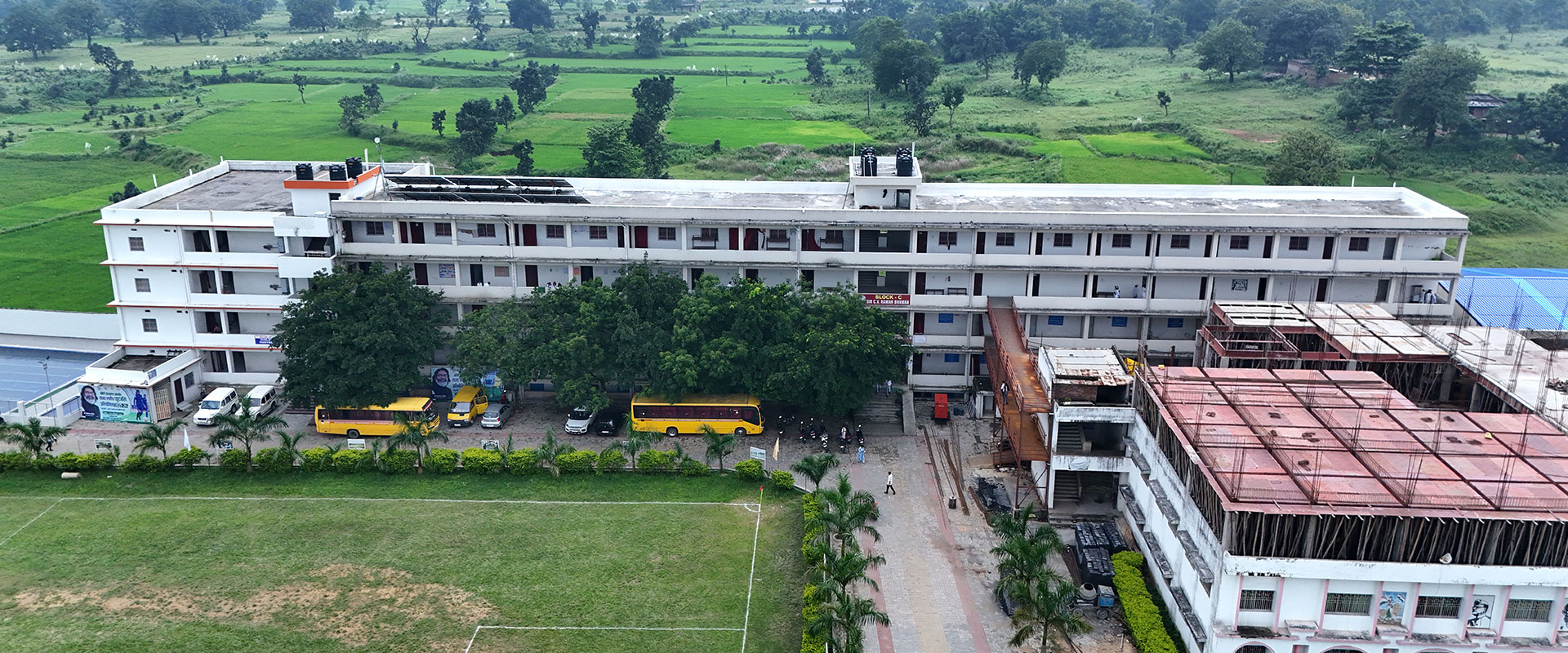
Ph.D. in Microbiology from Radha Govind University
Embarking on a doctoral journey in Microbiology at Radha Govind University opens doors to cutting‑edge research, interdisciplinary collaboration, and a rewarding career in academia, industry, and public health. The program is meticulously designed to nurture scientific curiosity, develop analytical expertise, and foster innovative solutions to global challenges such as antimicrobial resistance, vaccine development, and environmental sustainability. Whether you aim to become a leading researcher, a policy advisor, or a biotech entrepreneur, this Ph.D. offers a robust platform to transform aspirations into impact.
Eligibility Criteria for Ph.D. in Microbiology at Radha Govind University
Prospective candidates must meet the following academic and professional standards:
- A Master’s degree in Microbiology, Biotechnology, Molecular Biology, Biochemistry, or a related life science discipline with a minimum of 55% aggregate (or CGPA equivalent).
- Valid GATE score in Biological Sciences or a university‑conducted entrance test (optional but advantageous).
- Demonstrated research aptitude through publications, conference presentations, or project work.
- English language proficiency (minimum IELTS 6.0 or TOEFL 80 for international applicants).
- For candidates with a B.Sc. (Hons) in Microbiology, a bridge program may be considered on a case‑by‑case basis.
Entrance Exam for Ph.D. in Microbiology at Radha Govind University
Radha Govind University conducts a comprehensive entrance examination to assess candidates’ foundational knowledge and research potential. The exam comprises three sections:
- General Aptitude: Logical reasoning, quantitative ability, and verbal skills.
- Subject‑Specific Knowledge: Core concepts in microbiology, molecular genetics, immunology, and biostatistics.
- Research Proposal Presentation: A 10‑minute oral presentation followed by a Q&A session with the faculty panel.
The written test is scheduled twice a year (June and December). Candidates scoring above the prescribed cut‑off are invited for the interview stage, where research interests and alignment with faculty expertise are evaluated.
Fee Structure for Ph.D. in Microbiology at Radha Govind University
| Component | Amount (INR) |
|---|---|
| Tuition Fee | 45,000 |
| Lab & Equipment Charges | 12,000 |
| Library & Digital Resources | 5,000 |
| Administrative & Examination Fee | 3,000 |
| Annual Student Services (Health, Sports, etc.) | 2,000 |
| Total (per year) | 67,000 |
Fee waivers and merit‑based scholarships are available for candidates with outstanding academic records or significant research contributions.
Admission Process for Ph.D. in Microbiology at Radha Govind University
The admission journey is streamlined into clear stages to ensure transparency and efficiency:
- Online Application: Submit the application form through the university portal, attaching academic transcripts, a detailed CV, and a research proposal (max 1500 words).
- Entrance Examination: Appear for the written test and submit the required documents for verification.
- Interview & Presentation: Present your research proposal to the department’s selection committee.
- Final Selection: Candidates receive an admission offer letter with fee details and scholarship eligibility.
- Enrollment & Registration: Complete fee payment, attend orientation, and register for courses and lab assignments.
All deadlines and detailed guidelines are published on the university’s official website each admission cycle.
Ph.D. Subjects and Specializations in Microbiology at Radha Govind University
The doctoral program offers a spectrum of specializations tailored to emerging scientific frontiers:
- Clinical Microbiology & Infectious Diseases
- Environmental and Agricultural Microbiology
- Industrial Biotechnology & Fermentation Processes
- Genomics, Metagenomics, and Bioinformatics
- Immunology and Vaccine Development
- Antimicrobial Resistance and Drug Discovery
Students can select a specialization based on faculty expertise, available laboratory facilities, and personal research interests.
Research Areas in Microbiology at Radha Govind University
Research conducted at Radha Govind University aligns with national priorities and global health challenges. Key research domains include:
- Pathogenic mechanisms of emerging viruses and bacteria.
- Bioremediation of industrial waste using microbial consortia.
- Engineering probiotic strains for gut health and nutraceuticals.
- CRISPR‑based antimicrobial strategies.
- Microbial production of biofuels and value‑added chemicals.
- One‑Health approaches integrating human, animal, and environmental health.
Collaborative projects with governmental agencies, biotech firms, and international research institutes provide ample opportunities for interdisciplinary exposure.
Documents Required for Ph.D. in Microbiology at Radha Govind University
| Document | Remarks |
|---|---|
| Completed Online Application Form | Submitted via university portal |
| Academic Transcripts (10+2, B.Sc., M.Sc.) | Original + certified copy |
| Degree Certificates | Original + attested photocopy |
| GATE/UGC NET Scorecard (if applicable) | Valid for the current admission year |
| Research Proposal (PDF, ≤1500 words) | Include objectives, methodology, and expected outcomes |
| Curriculum Vitae (CV) | Highlight publications, conferences, and projects |
| Letter of Recommendation (2) | From academic supervisors or industry mentors |
| Proof of English Proficiency | IELTS/TOEFL scores for international candidates |
| Photographs (Passport size, 2) | For identification and documentation |
All scanned documents must be in PDF format, not exceeding 2 MB per file.
Radha Govind University Ph.D. Syllabus for Microbiology
The doctoral syllabus blends core coursework with extensive research components, ensuring a balanced blend of theory and practice:
- Core Modules (Year 1): Advanced Microbial Physiology, Molecular Genetics, Bioinformatics, Statistics for Life Sciences, Research Ethics.
- Elective Modules (Year 2): Choose two from Clinical Microbiology, Environmental Microbiology, Industrial Biotechnology, Immunology, or Genomics.
- Research Methodology: Proposal writing, experimental design, data analysis, scientific communication.
- Thesis Work (Years 2‑4): Original research under the guidance of a faculty supervisor, culminating in a dissertation and viva‑voce examination.
Continuous assessment through seminars, journal clubs, and manuscript preparation promotes scholarly growth.
How To Apply for Ph.D. in Microbiology at Radha Govind University
Follow these step‑by‑step instructions to submit a successful application:
- Visit the official university portal and create a user account.
- Fill in personal details, academic history, and upload scanned documents as per the checklist.
- Enter your research proposal in the designated field; ensure clarity, feasibility, and alignment with faculty interests.
- Pay the non‑refundable application fee (INR 1,500) through net banking or UPI.
- Submit the application before the advertised deadline.
- Download the acknowledgment receipt and keep the application number handy for future correspondence.
For further assistance, prospective candidates can reach out to the department’s admission office via email or phone.
Career Scope and Job Opportunities After Ph.D. in Microbiology from Radha Govind University
A doctorate in Microbiology equips graduates with a versatile skill set that opens doors across multiple sectors:
- Academia & Research: Lecturer, Assistant Professor, Post‑Doctoral Fellow, Principal Investigator.
- Biotechnology & Pharmaceutical Industry: R&D Scientist, Process Development Engineer, Clinical Research Associate.
- Public Health & Government Agencies: Epidemiologist, Policy Analyst, Bio‑surveillance Officer.
- Environmental & Agricultural Services: Soil Microbiologist, Waste Management Consultant, Food Safety Officer.
- Entrepreneurship: Founder of biotech start‑ups focusing on diagnostics, therapeutics, or microbial bio‑products.
According to recent placement data, graduates command an average starting salary of INR 9‑12 Lakhs per annum, with rapid growth potential in leadership roles.
Scholarship for Ph.D. in Microbiology at Radha Govind University
Financial assistance is available through merit‑based and need‑based schemes:
- University Merit Scholarship: Covers up to 50% of tuition for candidates with a minimum 70% aggregate in their master’s degree.
- UGC‑CSIR Junior Research Fellowship (JRF): Provides a stipend of INR 31,000 per month plus contingency grant.
- Industry‑Sponsored Fellowships: Partnerships with biotech firms offer project‑based funding and exposure to real‑world applications.</








