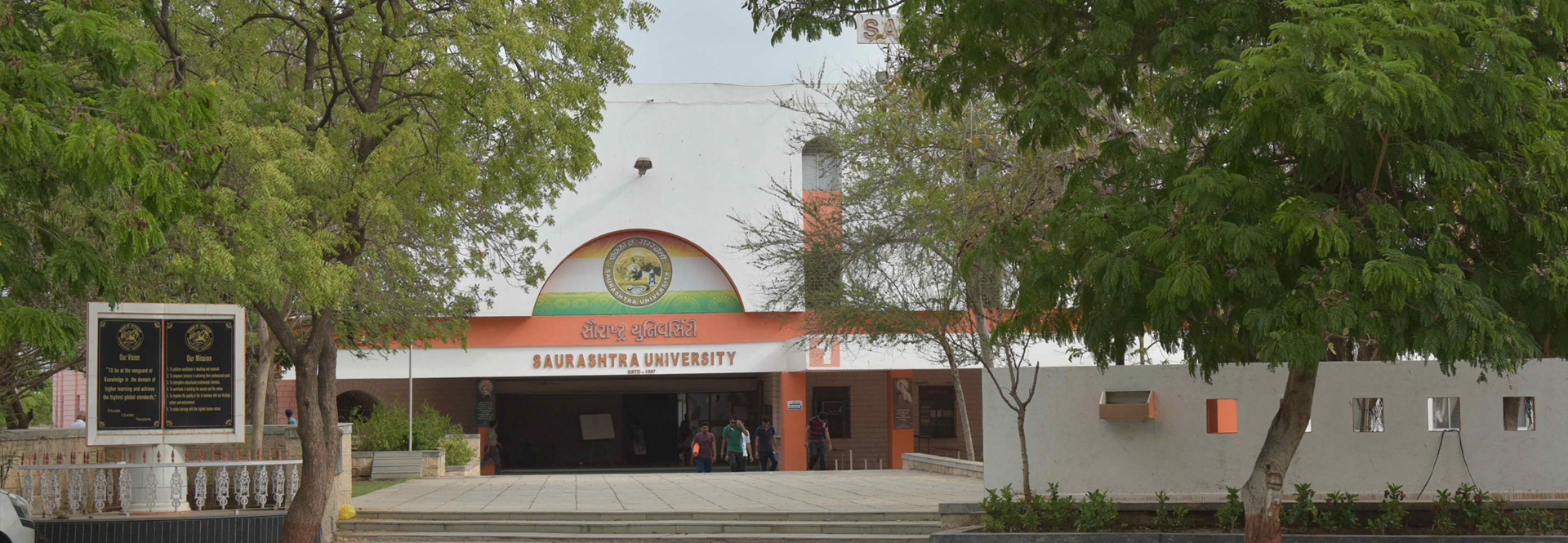
Introduction about Ph.D. in Microbiology at Saurashtra University
Embarking on a doctoral journey in Microbiology at Saurashtra University offers a unique blend of rigorous academic training, cutting‑edge research facilities, and a supportive ecosystem designed for professionals aiming to become leaders in microbial science. Whether you aspire to drive innovations in clinical diagnostics, bioprocess engineering, or environmental microbiology, this program equips you with the expertise required to shape the future of health, industry, and sustainability.
Ph.D Admission 2026-2027 & Writing Support Services by Shiksha Research
Eligibility Criteria for Ph.D. in Microbiology at Saurashtra University
The university follows a merit‑based eligibility framework that welcomes candidates from diverse academic backgrounds. To qualify, applicants must fulfill one of the following conditions:
- Hold a Master’s degree (M.Sc., M.Tech., MBBS, M.Pharma, etc.) in Microbiology or a closely related discipline with a minimum of 55% aggregate (50% for SC/ST).
- Possess a UGC‑NET or CSIR‑JRF qualification in Microbiology, Biotechnology, or Life Sciences.
- Demonstrate a minimum of two years of relevant research or industry experience, complemented by a strong publication record (at least one peer‑reviewed article).
Entrance Exam for Ph.D. in Microbiology at Saurashtra University
Candidates are required to clear the Saurashtra University Ph.D. Entrance Test (SUPET). The exam evaluates:
- Fundamental concepts in Microbiology, Molecular Biology, and Biochemistry.
- Analytical and problem‑solving abilities through objective questions.
- Research aptitude via a written statement of purpose.
The test is conducted twice a year (June and December). Successful candidates receive a merit list that serves as a basis for the subsequent interview round.
Fee Structure for Ph.D. in Microbiology at Saurashtra University
| Category | Annual Fee (INR) |
|---|---|
| General Category (All Indian Nationals) | 12,000 |
| SC/ST/PWD Category | 6,000 |
| Foreign Nationals | 25,000 |
| Additional Lab & Resource Charges (per semester) | 2,500 |
The fee is payable at the beginning of each academic year. Scholarships, fellowships, and research grants can significantly offset these costs for eligible candidates.
Admission Process for Ph.D. in Microbiology at Saurashtra University
- Online Application: Fill the application form on the university portal and upload scanned copies of academic certificates.
- Entrance Examination: Appear for SUPET and obtain the qualifying score.
- Personal Interview: Shortlisted candidates are invited for an interview with the Departmental Review Committee.
- Document Verification: Submit original certificates for verification.
- Final Admission Letter: Receive the admission confirmation and fee payment instructions.
Ph.D. Subjects and Specializations in Microbiology at Saurashtra University
The doctoral program offers a range of specializations that align with current industry demands and scientific breakthroughs:
- Medical Microbiology & Immunology
- Industrial & Fermentation Microbiology
- Environmental & Soil Microbiology
- Food Safety and Biotechnology
- Genomics and Metagenomics
- Antimicrobial Resistance Studies
Research Areas in Microbiology at Saurashtra University
Faculty members lead projects in the following cutting‑edge domains, offering Ph.D. scholars opportunities to contribute to high‑impact publications and patents:
- Novel Antibiotic Discovery and Mechanism of Action
- Microbial Bioremediation of Industrial Waste
- Probiotic Development for Human Health
- CRISPR‑Based Gene Editing in Bacterial Systems
- Biofilm Formation and Disruption Strategies
- Vaccinology and Host‑Pathogen Interactions
Documents Required for Ph.D. in Microbiology at Saurashtra University
| Document | Details |
|---|---|
| Application Form | Completed online with payment receipt |
| Academic Transcripts | Mark sheets of Bachelor’s and Master’s degrees (original & PDF) |
| Proof of UGC‑NET / CSIR‑JRF (if any) | Certificate copy |
| Research Proposal | 2‑3 page outline of intended research |
| Curriculum Vitae | Updated CV highlighting publications and projects |
| Identity Proof | Aadhaar / Passport |
| Letter of Recommendation | Two academic / professional references |
Saurashtra University Ph.D. Syllabus for Microbiology
The syllabus is structured into three phases:
- Coursework (Year 1): Core modules covering Advanced Microbial Physiology, Molecular Genetics, Bioinformatics, and Research Methodology.
- Comprehensive Examination (End of Year 1): Written and oral tests to assess mastery of foundational concepts.
- Thesis Research (Years 2‑4): Independent project work, periodic progress reviews, and a final viva‑voce defense.
How To Apply for Ph.D. in Microbiology at Saurashtra University
Follow these streamlined steps to submit a successful application:
- Visit the official Saurashtra University Ph.D. Admission portal and create a user account.
- Complete the online application, attaching scanned copies of all required documents.
- Pay the non‑refundable application fee via net banking or UPI.
- Schedule your SUPET slot and appear for the exam on the allotted date.
- Track your application status through the portal and prepare for the interview if shortlisted.
For additional support, prospective candidates often engage professional services such as Editing and Proofreading Services, PhD Topic Selection and Proposal Assistance, and PhD Admission Assistance. These resources help refine your research proposal, polish your CV, and navigate the admission workflow with confidence.
Career Scope and Job Opportunities After Ph.D. in Microbiology from Saurashtra University
Graduates emerge as experts capable of leading research teams, shaping policy, and driving innovation. Typical career pathways include:
- Senior Research Scientist – Biotechnology firms, pharmaceutical companies, and agricultural research institutes.
- Principal Investigator – Academic institutions and national labs.
- Clinical Microbiologist – Hospital laboratories and diagnostic centers.
- Regulatory Affairs Specialist – Government agencies overseeing drug and food safety.
- Entrepreneur – Start‑ups focused on microbial biosensors, bio‑fertilizers, or probiotic formulations.
- Science Policy Analyst – NGOs and think‑tanks influencing health and environmental strategies.
Moreover, the Ph.D. credential opens doors to post‑doctoral fellowships, international collaborations, and prestigious fellowships such as the CSIR‑NET or the ICMR JRF.
Scholarship for Ph.D. in Microbiology at Saurashtra University
Financial aid is available through several channels:
- University Merit Scholarships: Awarded to candidates with a minimum 70% aggregate in their Master's degree.
- UGC‑JRF and CSIR‑JRF Fellowships: Fully funded stipends and research grants.
- State Government Scholarships: Support for SC/ST/PWD candidates.
- Industry‑Sponsored Projects: Funding through collaborations with biotech firms.
- Research Publication Support: Access to grants for publishing in high‑impact journals (Research Publication Support).
FAQs Regarding Ph.D. in Microbiology at Saurashtra University
- What is the duration of the Ph.D. program?
- The typical tenure is 4 years, with the possibility of extension based on research progress.
- Can working professionals enroll part‑time?
- Yes, the university offers a part‑time mode for candidates employed in research‑oriented roles, provided they meet the attendance and progress criteria.
- Is there any provision for a patent filing during the Ph.D.?
- Students are encouraged to file patents arising from their research. The university provides legal guidance through its Patent Filing and Support Services.
- Do I need to submit a separate proposal for each specialization?
- A single, well‑structured research proposal is required. It should clearly state the chosen specialization and expected outcomes.
- Are there opportunities for teaching assistantships?
- Yes, eligible Ph.D. scholars can apply for Teaching Assistant positions, which provide a modest stipend and valuable pedagogical experience.








