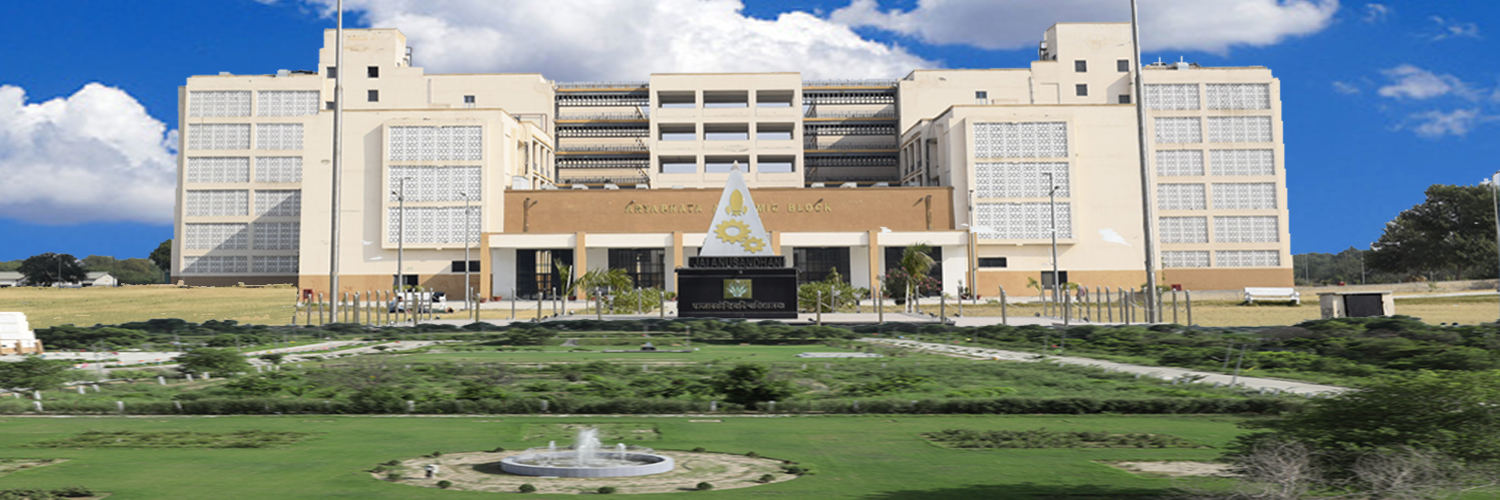
Introduction about Ph.D. in Molecular Medicine at Central University of Punjab
The Ph.D. in Molecular Medicine offered by the Central University of Punjab stands as a beacon for ambitious scientists seeking to push the boundaries of biomedical research. Nestled in a vibrant academic ecosystem, the program blends rigorous coursework with cutting‑edge laboratory experience, empowering scholars to explore disease mechanisms at the molecular level and develop innovative therapeutic strategies. Whether your passion lies in cancer genomics, infectious disease, or regenerative medicine, this doctorate equips you with the analytical acumen and experimental expertise demanded by today's research landscape.
Eligibility Criteria for Ph.D. in Molecular Medicine at Central University of Punjab
Prospective candidates must satisfy the following minimum requirements:
- A master’s degree (M.Sc., M.Tech., or equivalent) in Molecular Biology, Biotechnology, Biochemistry, Pharmacology, or a related discipline with a minimum aggregate of 55% (or 5.0 on a 10‑point scale).
- Qualified in any national-level entrance test (e.g., UGC NET, CSIR‑UGC NET, GATE) or the university’s own Ph.D. screening exam.
- English proficiency (IELTS/TOEFL) is not mandatory for Indian nationals but may be required for foreign applicants.
- Applicants should hold a valid research proposal outlining their intended study area.
Entrance Exam for Ph.D. in Molecular Medicine at Central University of Punjab
The entrance examination comprises two stages:
- Written Test: Objective questions covering Molecular Genetics, Cell Signalling, Biostatistics, Research Methodology, and Current Trends in Molecular Medicine.
- Interview & Presentation: Candidates present their research proposal and defend their methodology before a panel of experts.
Preparation resources, sample papers, and mock tests are available on the university’s portal. A strong grasp of laboratory techniques—PCR, CRISPR, Western blotting—will significantly boost performance.
Fee Structure for Ph.D. in Molecular Medicine at Central University of Punjab
| Fee Category | Annual Amount (INR) | Additional Charges |
|---|---|---|
| Tuition Fee | 75,000 | Lab & Infrastructure Fee – 15,000 |
| Registration & Examination Fee | 10,000 | Library & Digital Resources – 5,000 |
| Annual Student Activity Fee | 5,000 | — |
| Total Approx. per Year | 90,000 | 20,000 |
Note: Scholarships, fellowships, and teaching assistantships can offset up to 80% of the total fee.
Admission Process for Ph.D. in Molecular Medicine at Central University of Punjab
The streamlined admission workflow ensures transparency and efficiency:
- Online application submission via the university’s admission portal.
- Upload scanned copies of academic transcripts, degree certificates, and a detailed research proposal.
- Payment of the application fee (INR 2,500).
- Eligibility verification by the Department of Molecular Medicine.
- Invitation to appear for the written entrance test.
- Interview and proposal presentation for shortlisted candidates.
- Final selection based on merit, research potential, and availability of faculty supervisors.
Ph.D. Subjects and Specializations in Molecular Medicine at Central University of Punjab
Students can tailor their doctoral journey across the following specializations:
- Cancer Molecular Biology
- Neurodegenerative Disorders
- Infectious Diseases and Host‑Pathogen Interactions
- Pharmacogenomics and Personalized Medicine
- Stem Cell Biology and Regenerative Therapeutics
- Computational Molecular Medicine
Research Areas in Molecular Medicine at Central University of Punjab
The department’s research thrusts align with global health priorities:
- CRISPR‑based gene editing for therapeutic applications.
- Multi‑omics integration for biomarker discovery.
- Nanocarrier systems for targeted drug delivery.
- Immune‑checkpoint modulation in cancer immunotherapy.
- Microbiome‑host interactions in chronic diseases.
- Artificial intelligence in predictive diagnostics.
Documents Required for Ph.D. in Molecular Medicine at Central University of Punjab
| Document | Format | Remarks |
|---|---|---|
| Application Form (online) | Completed with accurate personal details. | |
| Academic Transcripts & Mark Sheets | PDF (scanned) | All semesters for the qualifying degree. |
| Degree Certificate | Original or provisional copy. | |
| Research Proposal (2,500 words) | Include objectives, methodology, and expected outcomes. | |
| Two Academic References | Signed letters from supervisors or professors. | |
| Identification Proof | Aadhaar card or passport. |
Central University of Punjab Ph.D. Syllabus for Molecular Medicine
The doctoral curriculum balances theoretical depth with practical innovation:
- Advanced Molecular Genetics and Epigenetics
- Cell Signalling Pathways and Systems Biology
- Research Methodology, Ethics, and Scientific Writing
- Statistical Analysis for Biomedical Data
- Special Topics (Rotating seminars on Emerging Therapies)
- Comprehensive Lab Rotations across partner research institutes.
How To Apply for Ph.D. in Molecular Medicine at Central University of Punjab
Follow these step‑by‑step instructions to submit a successful application:
- Visit the official Central University of Punjab admissions portal and register a new account.
- Fill in personal and academic details, then upload the required documents (see the Documents Required table).
- Pay the non‑refundable application fee via online banking or UPI.
- Submit your research proposal in the prescribed format.
- Monitor email for the admit card and schedule of the entrance test.
- After clearing the written test, prepare for the interview by reviewing recent publications in your chosen research area.
Career Scope and Job Opportunities After Ph.D. in Molecular Medicine from Central University of Punjab
Graduates emerge as highly sought‑after experts in both academia and industry. Potential career trajectories include:
- Assistant Professor / Lecturer in universities and research institutes.
- Senior Scientist in pharmaceutical & biotech companies (R&D, drug discovery).
- Clinical Research Manager overseeing translational studies.
- Bioinformatics Analyst specializing in multi‑omics pipelines.
- Policy Advisor for governmental health agencies.
- Entrepreneur launching biotech start‑ups.
According to recent placement data, 78% of Ph.D. alumni secure positions within six months of graduation, with an average starting salary ranging from INR 12‑20 lakhs per annum.
Scholarship for Ph.D. in Molecular Medicine at Central University of Punjab
The university offers a variety of financial assistance schemes:
- Merit‑Based Fellowship: Covers full tuition and provides a monthly stipend of INR 18,000.
- Research Assistantship: Students work on funded projects and receive a stipend plus research grant.
- External Scholarships: Opportunities from CSIR, DBT, and the Ministry of Health for high‑performing candidates.
- Industry Sponsored Fellowships: Partnerships with leading pharma firms offering project‑specific funding.
FAQs Regarding Ph.D. in Molecular Medicine at Central University of Punjab
- Q1: How long does the Ph.D. program take?
- A: The typical duration is 3‑5 years, depending on research progress and publication requirements.
- Q2: Is teaching required during the doctorate?
- A: Teaching Assistantships are optional but encouraged for skill development and financial support.
- Q3: Can I pursue the program part‑time?
- A: A limited number of part‑time seats are available for working professionals, subject to faculty approval.
- Q4: What labs and facilities are accessible to Ph.D. scholars?
- A: State‑of‑the‑art molecular biology labs, high‑throughput sequencing platforms, imaging suites, and computational clusters.
- Q5: How are research proposals evaluated?
- A: Proposals are reviewed for scientific merit








