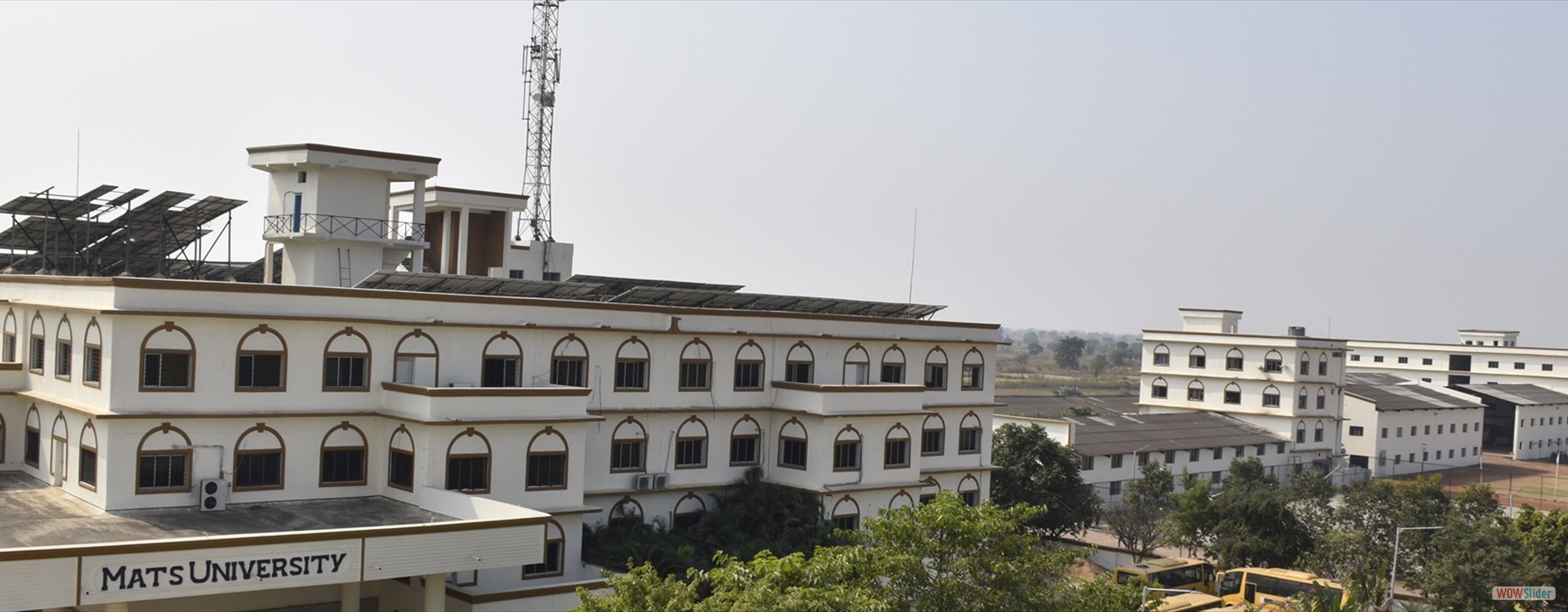
Ph.D. in Molecular Science & Engineering from MATS University: Eligibility, Entrance Exam, Fee Structure, Admission Process, Subjects, Research Areas, Syllabus, Scholarship & Career Scope
Introduction about Ph.D. in Molecular Science & Engineering at MATS University
The Doctoral programme in Molecular Science & Engineering at MATS University stands at the forefront of interdisciplinary research, blending cutting‑edge molecular biology, nanotechnology, and process engineering. Designed for seasoned professionals and ambitious scholars, this Ph.D. pathway equips candidates with the analytical rigor and innovative mindset required to lead transformative projects in biotechnology, pharmaceuticals, renewable energy, and advanced materials. With state‑of‑the‑art laboratories, collaborations with industry giants, and a vibrant academic community, MATS University nurtures research that transcends traditional boundaries and fuels global scientific advancement.
Eligibility Criteria for Ph.D. in Molecular Science & Engineering at MATS University
Prospective candidates must meet the following baseline qualifications:
- Master’s degree (M.Sc., M.Tech., M.Pharm., or equivalent) in Molecular Science, Chemical Engineering, Biotechnology, Materials Science, or a closely related discipline with a minimum aggregate of 55% (or CGPA 6.0 on a 10‑point scale).
- For candidates holding a Bachelor’s degree (B.Tech., B.Sc.) directly, a minimum of 65% aggregate is required, accompanied by a valid GATE/NET score.
- Proficiency in English (minimum IELTS 6.0 or TOEFL 80) for international applicants.
- Demonstrated research aptitude through publications, conference presentations, or relevant work experience.
Entrance Exam for Ph.D. in Molecular Science & Engineering at MATS University
MATS University conducts a comprehensive entrance examination that evaluates both theoretical knowledge and research potential:
- Written Test (120 minutes): 100 multiple‑choice questions covering Advanced Molecular Chemistry, Biophysical Techniques, Process Engineering, and Data Analytics.
- Interview & Proposal Presentation (30 minutes): Candidates present a concise research proposal, followed by a technical interview assessing critical thinking, methodological clarity, and alignment with faculty expertise.
Applicants with a valid GATE or CSIR‑NET score may be exempted from the written test but must still attend the interview.
Fee Structure for Ph.D. in Molecular Science & Engineering at MATS University
| Category | Annual Fee (INR) | Additional Charges |
|---|---|---|
| General Category (Indian) | 85,000 | Laboratory Access: 12,000 Annual Library & Digital Resources: 4,500 |
| SC/ST/PWD (Indian) | 55,000 | Laboratory Access: 12,000 Annual Library & Digital Resources: 4,500 |
| International Students | 150,000 | Laboratory Access: 20,000 Annual Library & Digital Resources: 6,000 |
| Scholarship Recipients (Merit) | Waiver up to 70% of tuition | Only mandatory lab consumables payable |
All fees are payable in two installments at the beginning of each academic semester. Late payments incur a 5% penalty per month.
Admission Process for Ph.D. in Molecular Science & Engineering at MATS University
The admission journey is streamlined into five clear steps:
- Online Application: Submit the completed application form via the university portal, upload scanned documents, and pay the non‑refundable processing fee of INR 2,500.
- Document Verification: The admissions office reviews academic records, experience letters, and research statements.
- Entrance Examination: Eligible candidates are invited to appear for the written test (or submit GATE/NET scores for exemption).
- Interview & Proposal Review: Shortlisted aspirants present their research proposal to a faculty panel.
- Final Offer & Enrollment: Successful candidates receive an admission letter with a detailed fee schedule and enrollment instructions.
Ph.D. Subjects and Specializations in Molecular Science & Engineering at MATS University
While the core programme remains unified, students can tailor their research focus across the following specializations:
- Nanomaterials & Surface Engineering
- Bioprocess Engineering & Fermentation Technology
- Computational Molecular Modeling
- Advanced Drug Delivery Systems
- Renewable Energy Materials
- Environmental Biotechnology
- Analytical Chemistry & Spectroscopy
Research Areas in Molecular Science & Engineering at MATS University
Faculty members lead research groups in high‑impact domains, including:
- Design of functional nanocarriers for targeted therapeutics.
- Development of bio‑catalysts for sustainable chemical production.
- Machine learning driven molecular simulations for material discovery.
- Carbon capture and storage using engineered biomaterials.
- Genetically engineered microbes for waste valorization.
- Real‑time sensing platforms based on quantum dots.
- Scale‑up of lab‑scale bioprocesses to industrial reactors.
Students have access to interdisciplinary labs, high‑performance computing clusters, and industry‑partnered projects that foster translational research.
Documents Required for Ph.D. in Molecular Science & Engineering at MATS University
| Document | Description |
|---|---|
| Academic Transcripts | Official mark sheets of all graduate and postgraduate qualifications. |
| Degree Certificates | Original certificates and attested copies. |
| Research Proposal (2,000 words) | Brief outline of intended research, objectives, methodology, and expected outcomes. |
| Curriculum Vitae | Detailed CV highlighting research experience, publications, and patents. |
| Letters of Recommendation (2) | From academic supervisors or industry mentors. |
| English Proficiency Certificate | IELTS/TOEFL scores (if applicable). |
| GATE/NET Scorecard | For candidates opting for exam exemption. |
MATS University Ph.D. Syllabus for Molecular Science & Engineering
The doctoral curriculum blends compulsory coursework, specialized electives, and extensive research work. Core modules include:
- Advanced Molecular Spectroscopy (3 credits)
- Statistical Thermodynamics & Kinetics (3 credits)
- Computational Chemistry and Molecular Dynamics (3 credits)
- Process Design and Optimization (2 credits)
- Research Ethics and Intellectual Property (1 credit)
Elective options allow deeper immersion into niche topics such as:
- Bio‑Nanofabrication Techniques
- Green Chemistry Principles
- Artificial Intelligence in Molecular Design
- Scale‑up of Bioprocesses
Beyond coursework, candidates must publish at least two peer‑reviewed articles, present at an international conference, and successfully defend a dissertation that contributes original knowledge to the field.
How To Apply for Ph.D. in Molecular Science & Engineering at MATS University
Follow this step‑by‑step guide to submit a competitive application:
- Visit the official MATS University admissions portal and create a user account.
- Complete the online application form, selecting “Ph.D. – Molecular Science & Engineering”.
- Upload scanned copies of all required documents (refer to the Documents Required table).
- Pay the INR 2,500 processing fee through the secure gateway.
- Submit a concise 250‑word statement of purpose explaining your motivation and career aspirations.
- Schedule the entrance examination date or upload your valid GATE/NET score for exemption.
- Monitor email notifications for interview invitations and further instructions.
All applications are reviewed on a rolling basis, and early submission is encouraged to secure a slot for the annual intake in June.
Career Scope and Job Opportunities After Ph.D. in Molecular Science & Engineering from MATS University
Graduates emerge as highly sought‑after experts capable of influencing both academia and industry. Typical career trajectories include:
- Senior Research Scientist in pharmaceutical and biotech firms.
- Principal Investigator or Faculty Member at leading universities.
- R&D Manager for materials and nanotechnology companies.
- Consultant for government agencies on sustainable process development.
- Entrepreneur launching startups focused on biotech innovations.
- Policy Advisor for science and technology ministries.
Average starting salaries for Ph.D. holders range from INR 12–18 lakhs per annum in India, with international positions offering competitive packages and research grants.
Scholarship for Ph.D. in Molecular Science & Engineering at MATS University
MATS University is committed to attracting top talent through a variety of merit‑based and need‑based scholarships:
- University Excellence Scholarship: Covers up to 70% of tuition for candidates with a GPA ≥ 9.0.
- Research Fellowship (Industry Sponsored): Full tuition waiver and a monthly stipend of INR 25,000 for projects funded by corporate partners.
- Government Fellowships: Eligibility for national schemes such as the CSIR‑JRF and UGC‑NET fellowships.
- Women in STEM Scholarship: Dedicated support for female scholars, covering tuition and research material costs.
Application for scholarships is concurrent with the admission process








